Last updated November 22, 2026
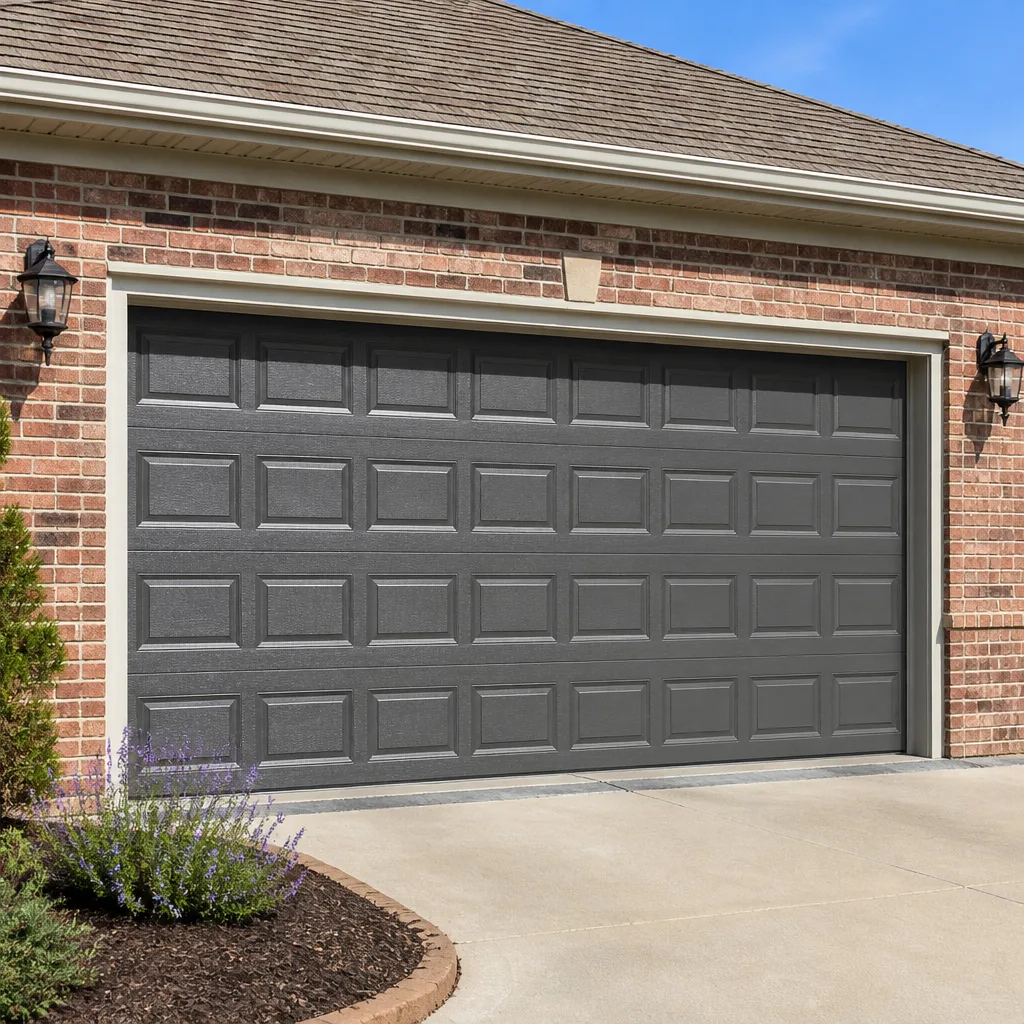 Raised-panel steel
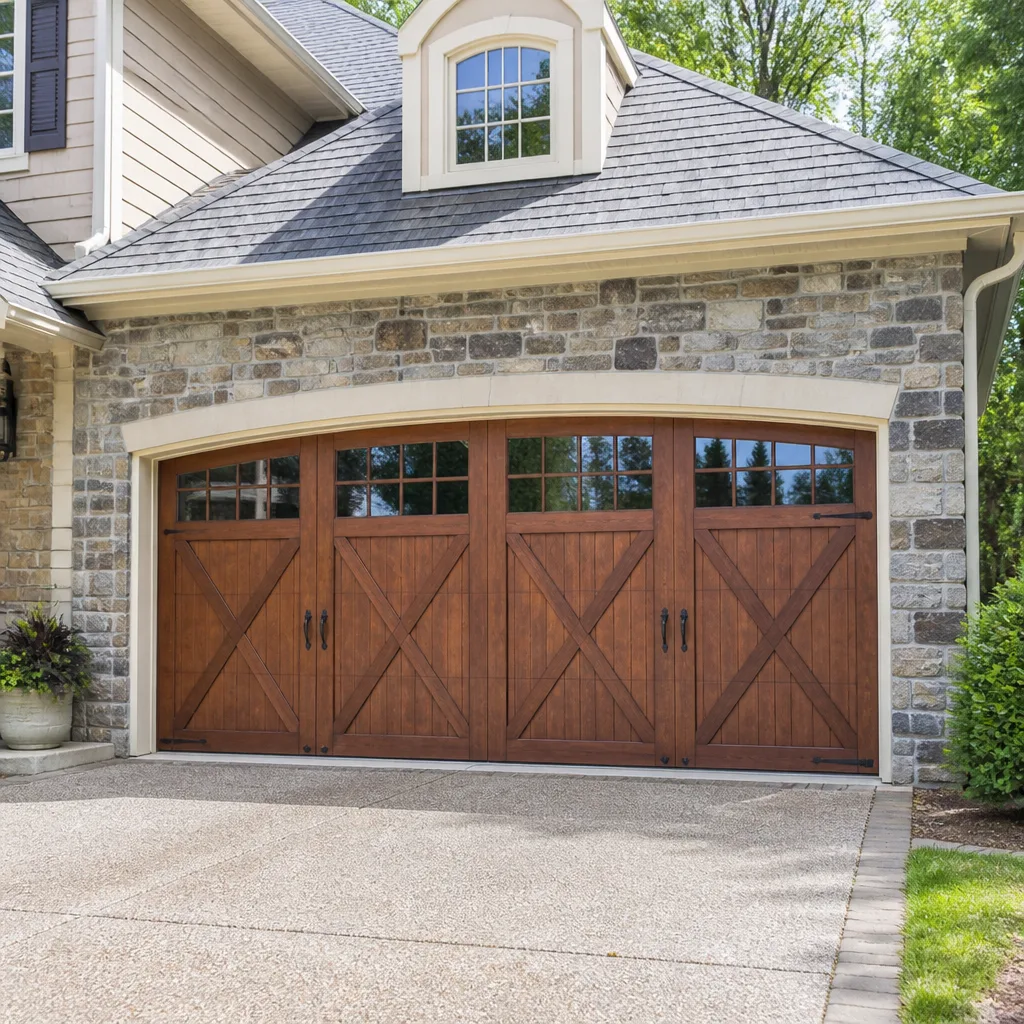 Carriage house
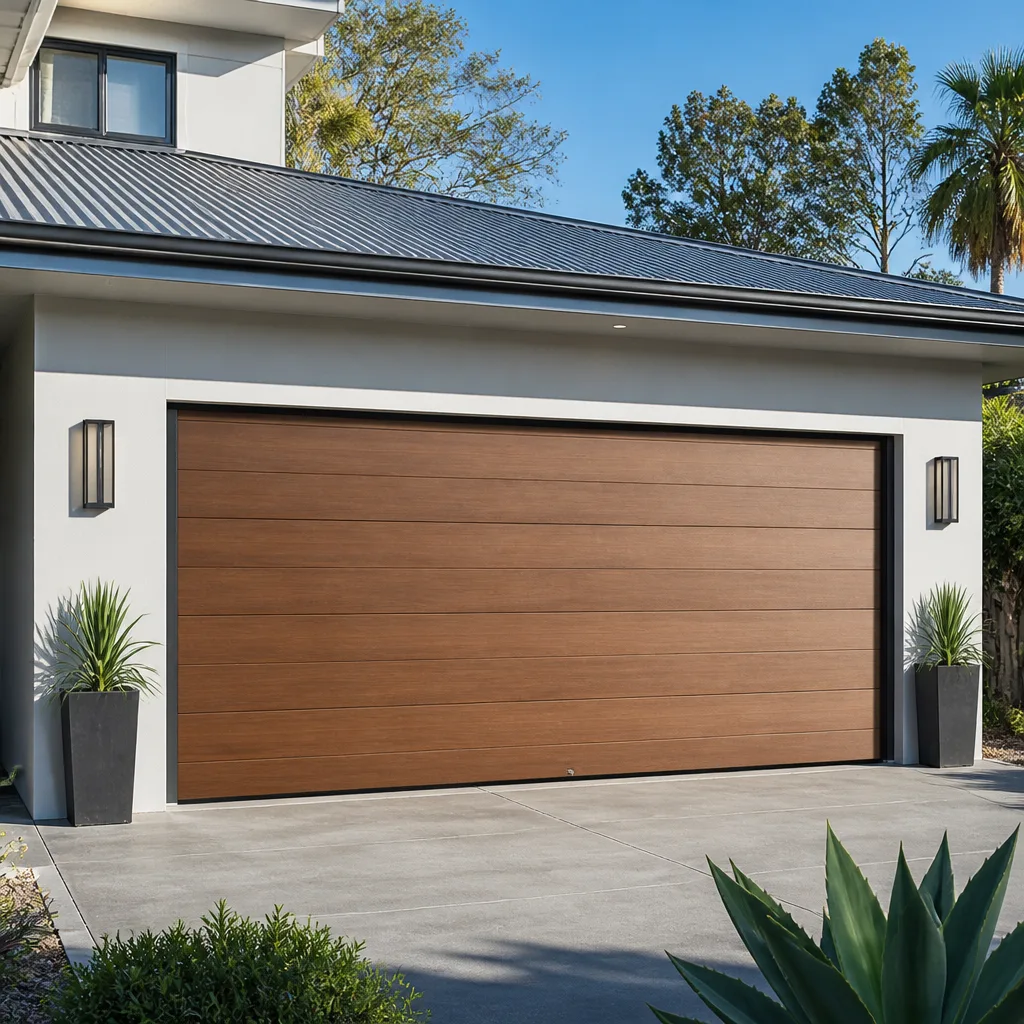 Modern flush
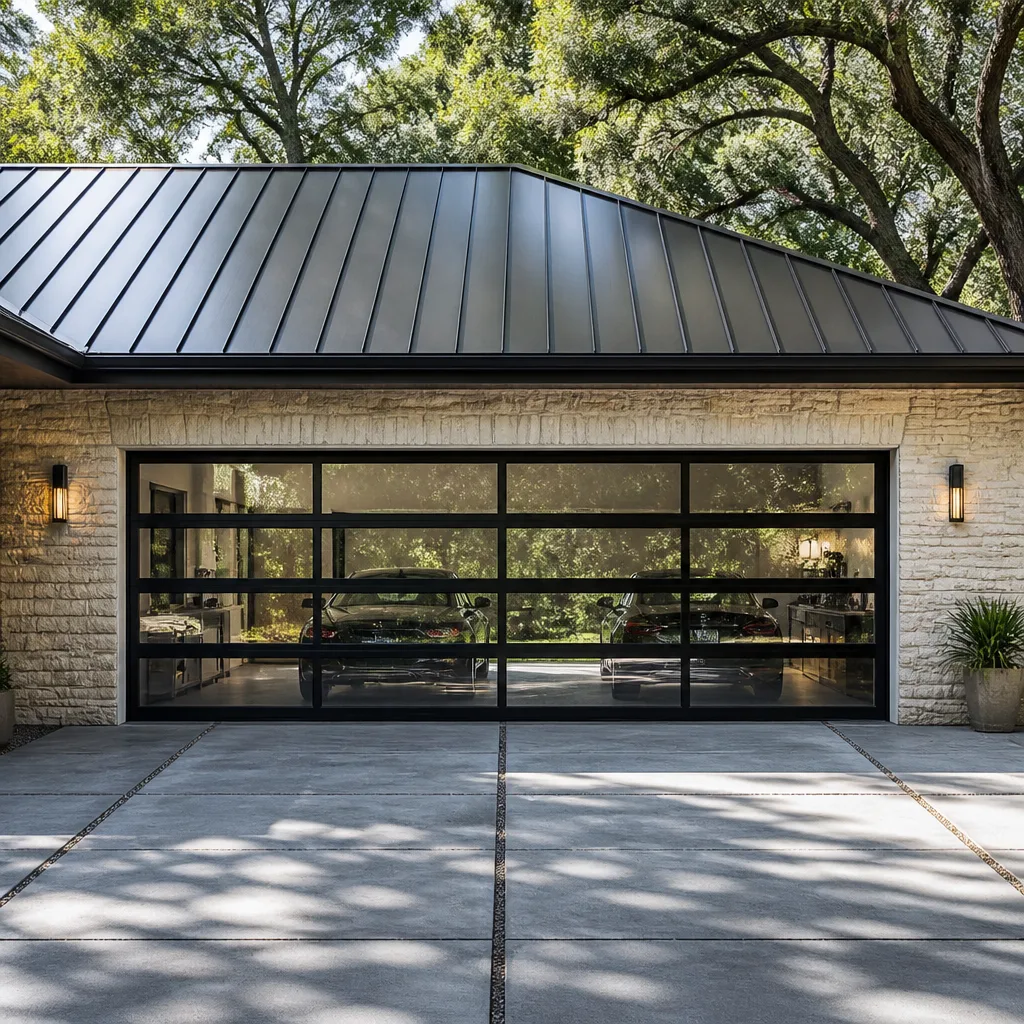 Full-view glass
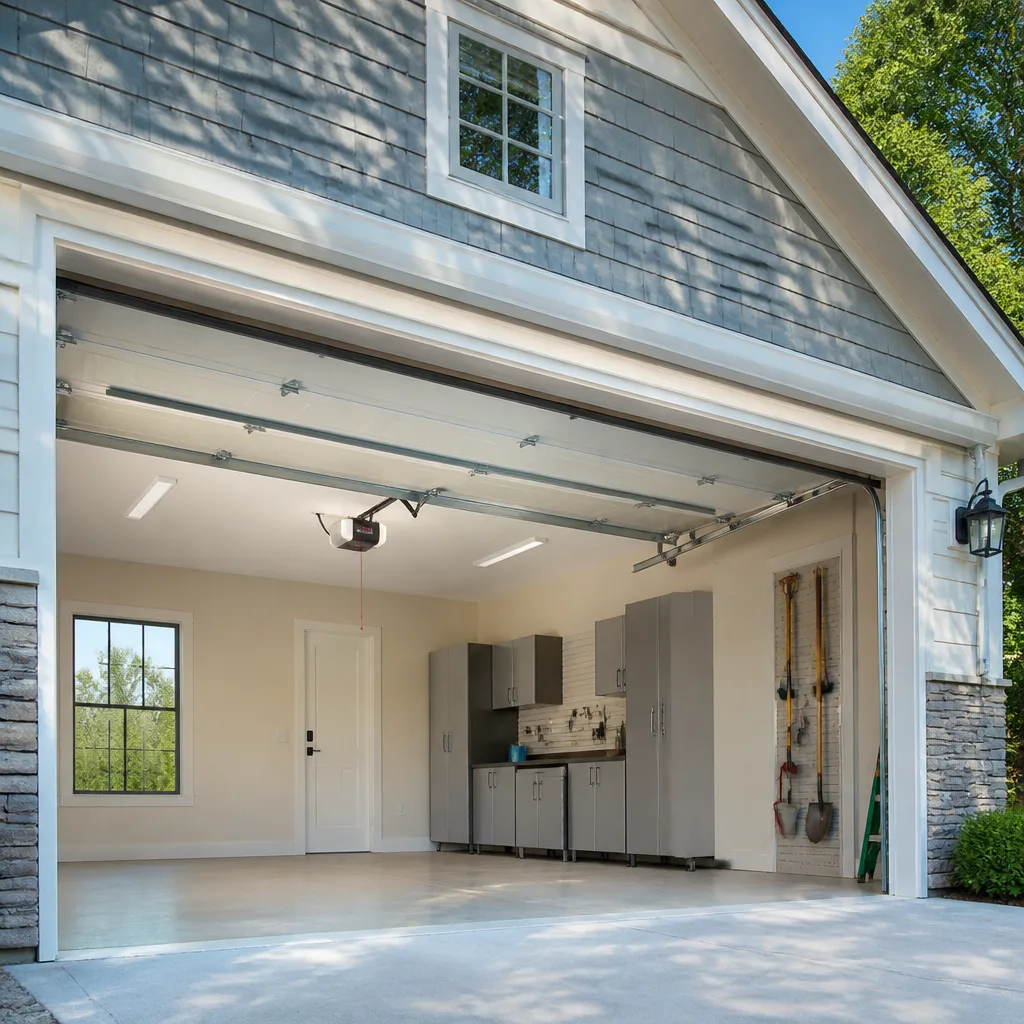 LiftMaster openers
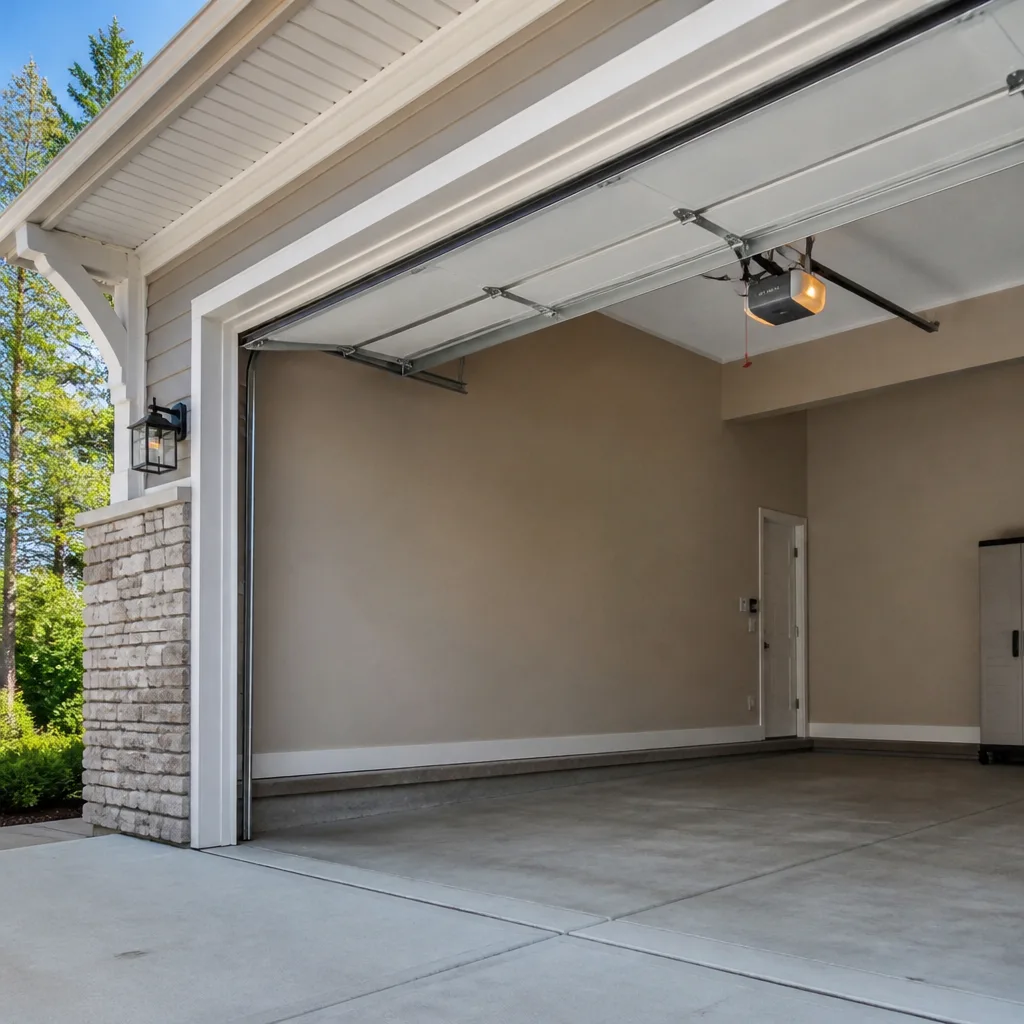 Chamberlain openers
Full 25-point door and opener safety check with every visit - springs, cables, rollers, tracks, and your LiftMaster or Chamberlain opener included
You get a price before we start. It does not change when the pro arrives.
Get your free estimateGarage Door Warning Signs: An Arlington Heights Homeowner’s Reference Guide
A garage door that takes two seconds longer to open than it did six months ago isn’t “just getting older.” That hesitation is usually the opener drawing extra current to compensate for a spring that’s slowly losing tension. The motor is doing work the spring used to do, and that extra load shortens motor life while pointing straight at a spring failure within weeks. Most of the failures we get called for in Arlington Heights don’t arrive without warning. They arrive after months of warnings nobody decoded. This guide maps the everyday quirks – the noises, the drifts, the hesitations – to the specific components behind them, so you know what’s wearing out, roughly how much runway you have, and when a call becomes urgent.
Quick Answer
A garage door that grinds, pops, reverses, drifts down after closing, or takes longer to open than it used to is telling you a specific component is wearing out. The five most common failures – springs, cables, rollers, opener drive gears, and door sections – each announce themselves with a distinct symptom weeks or months before they break. Catching the symptom early usually means a repair; ignoring it usually means an emergency.
Styles & brands we work with
- Raised-panel steel
- Carriage house
- Modern flush
- Full-view glass
- LiftMaster openers
- Chamberlain openers
Table of Contents
- What the Sounds Are Telling You
- Visual Warning Signs on Springs and Cables
- Rollers, Hinges, and Track Wear
- Decoding Opener Behavior Changes
- When a Crooked or Sagging Door Turns Structural
- The Timeline From First Symptom to Failure
- Common Mistakes to Avoid
- Frequently Asked Questions
What the Sounds Are Telling You
Every garage door has a normal voice: a low, even hum from the opener and a soft roll from the rollers. When that voice changes, the change is diagnostic. The trick is separating a noise that means “lubricate me” from a noise that means “this part is about to let go.” Here’s how the common sounds in Arlington Heights garages map to the parts responsible.
- Grinding, low and constant while the door moves: usually dry or seized rollers, or a torsion spring that’s binding. If the grind comes from the opener head itself, suspect worn drive gears.
- A sharp pop, once, at the start of travel: often a cable jumping its drum, or a torsion spring that has just snapped. A single loud pop followed by a door that won’t lift is the classic spring failure signature.
- Rattling that worsens over bumps: loose hinge plates, worn roller stems, or a track that’s worked loose from its brackets.
- Scraping along one side: the door is rubbing the track, which points to a bent track section or a panel that’s shifted out of square.
- A high-pitched squeal: metal-on-metal contact, most often a dry torsion tube or a bearing plate that needs attention.
The single-pop spring failure is the one to take seriously. Torsion springs are under extreme tension even when the door is down, and when one breaks, the door becomes dangerously heavy and unpredictable. That’s not a job to attempt yourself. The same caution applies to cables, which are under similar load. When we hear a pop through the phone, we treat it as an emergency visit, because a door held up by a broken spring plus an operating opener can cycle and drop without warning. If your door has gone quiet after a pop, leave it down and call.
One local detail worth knowing: Arlington Heights winters push a lot of cold air against door hardware, and the contraction that comes with a hard freeze can tighten clearances that were sloppy-but-passable in October. A door that rattled a little in fall often rattles a lot more by January. If the noise arrived with the first cold snap, it’s usually hardware, not the opener.
Visual Warning Signs on Springs and Cables
You can catch most spring and cable failures by looking, not listening. A torsion spring that’s healthy looks uniform: even coils, a straight profile, no sag. What you’re hunting for is asymmetry. A spring with a visible gap, a stretched section, or a coil that looks like it’s pulled apart is on its way out. Springs don’t usually snap without showing strain first – the metal fatigues in stages, and the wear shows up as a change in shape before it shows up as a break.
On the cable side, look at the drum and the lower corners of the door. Healthy cables sit tight and even in the drums. Watch for these:
- Cables that look frayed or have broken strands, especially near the drum.
- A cable that’s jumped its drum and is riding outside the groove.
- Sagging cable on one side while the other side is taut – that’s a load imbalance.
- Springs with rust streaks or heavy corrosion, which thin the wire over time.
- A torsion tube that’s shifted sideways in its bearing plates.
- An extension spring (the kind that runs along the horizontal track on older doors) with a stretched or missing safety cable through its center.
This is also where an opener brand matters. We work on a lot of older doors fitted with Craftsman openers that have been paired with the same springs for a long stretch. When a homeowner upgrades the opener, the worn springs underneath don’t get any younger – they just get pushed harder. If you’re changing the opener, have the springs inspected at the same time. It’s the single most useful thing you can do while the door is already apart.
For anything involving the torsion spring itself, the honest answer is: don’t. Winding and unwinding a torsion spring requires specific tools and a controlled procedure, and the stored energy is enough to cause serious injury if it releases unexpectedly. A visual inspection from the floor is where a homeowner’s job ends. garage door spring repair is a specialist task, and it’s one of the highest-risk repairs in the trade.
Rollers, Hinges, and Track Wear
Rollers and hinges are the cheapest parts on the door and the ones most often left to run into the ground. A worn roller doesn’t fail dramatically – it just gets noisier and drags, which loads the opener and accelerates wear on everything upstream of it. Here’s how to read the pattern.
Rollers: Steel rollers pit and flatten; nylon rollers crack and chunk. Either way, a roller that’s lost its round shape makes the door ride rough. Look at the roller heads along the vertical and horizontal tracks. A healthy roller is smooth and spins freely when the door is at rest. A worn one has visible flat spots, cracks, or wobbles on its stem.
Hinges: The hinges at the panel joints carry real load. Loose rivets, bent plates, or hinges that have wallowed out their mounting screws show up as rattling and panel wobble. Hinges are cheap to replace and expensive to ignore, because a loose hinge allows the panels to work against each other.
Tracks: A track should be straight, parallel, and firmly bracketed. Look for a section that’s bowed, a bracket that’s pulled loose from the jamb, or a horizontal track that’s dropped out of level. A bent vertical track will drag the door even with good rollers, and once a door starts catching, the opener fights it every cycle.
In an Arlington Heights garage, the practical rhythm is this: if the door is rattling, get it looked at before the season turns. Twice a year – once in fall before the cold settles in and once in spring – is a reasonable inspection schedule for hardware. It’s not a maintenance contract; it’s just using your eyes and hands for five minutes and flagging anything that’s changed.
Decoding Opener Behavior Changes
The opener is the most misunderstood part of the system. It doesn’t lift the door – it guides it, and the springs do the lifting. That’s why most “opener problems” we get called for in Arlington Heights turn out to be spring or hardware problems the opener is reacting to. Reading the opener’s behavior means asking what it’s compensating for.
Hesitation at the start: the opener pauses before it lifts. This usually means it’s working against too much resistance – a weak spring, a dry roller, or a track binding. The motor draws extra current to overcome it. Left alone, that extra draw wears the motor and eventually trips the opener’s internal limit.
Reversal partway up: the door starts up, then reverses back down without touching anything. That’s the safety system doing its job – a photo-eye misalignment, a binding door, or a force-limit set too tight. Check first that the photo-eyes are aligned and nothing’s blocking them; if they’re clean and the door still reverses, the door itself is binding.
Grinding from the opener head: a plastic drive gear inside the opener is wearing. This is common on older LiftMaster and Chamberlain units. The opener runs, the gear slips, the door doesn’t move. It’s a repair, not a replacement, and it’s worth fixing before the gear strips completely.
Door closes then creeps back open a few inches: the down-travel limit is off, or the opener’s force setting is too sensitive. That’s a real safety issue – a door that doesn’t seal means a gap into your garage.
Remote works intermittently, wall button works fine: that’s a remote or receiver issue, not a door issue. Replace the battery first, then look at the receiver board if it persists.
What’s useful to know is that brands behave differently. A Raynor-equipped door has its own force-limit feel, and a Genie opener with a smart-home controller maps its ramp-up curve a little differently. We work on all three brands often enough to recognize the sounds through the phone, but you shouldn’t have to. If your opener is doing something it didn’t do last month, it’s worth a look. garage door opener repair covers everything from a stripped gear to a sensor that won’t stay aligned, and it’s the right call before the behavior turns into a door that won’t close.
When a Crooked or Sagging Door Turns Structural
A door that looks slightly off – one side a hair lower than the other, a panel with a slight bow, a gap at one corner when it’s fully closed – sits on a spectrum. At one end, it’s cosmetic: an older door with a bit of settled geometry that doesn’t affect operation. At the other end, it’s the first sign that a section has lost its structural integrity, usually because the door has been run with a broken spring or a bent track and the panels have absorbed the stress.
Here’s how to tell which side you’re on:
- Check whether the door still closes flush. If the weather seal meets evenly across the full width, the door is probably squared. If there’s a consistent gap at the top or bottom on one side, the door’s out of square.
- Look at the panel joints. A panel that’s separated from its neighbor, or hinges that are visibly distorted, points to structural stress, not cosmetic drift.
- Check the hinges for consistent gaps. Even spacing between hinges means the panels are still aligned. Uneven gaps mean one section has warped or the door has taken load it can’t handle.
- Look for stress marks above the panels. A hairline crack, a fatigue crease, or a diagonal push mark on the section steel – these are the signals of a real structural issue and they get worse, not better, with use.
The cosmetically-imperfect-but-functional door is a judgment call: it can stay if it’s not affecting seals or operation. The structurally-failing door is a different matter. Once a section has taken on a bend or a bow from being cycled with a broken spring, it doesn’t always come back, and the fix is often a section replacement rather than a repair. If you’re seeing diagonal creases or separated panel joints, stop cycling the door until it’s assessed.
Older doors in Arlington Heights catch this more often than newer ones, partly because they’ve seen more seasons and partly because the panels have absorbed more cycles. It’s not about the door’s age as a number – it’s about how many times it’s been run with a problem underneath it.
The Timeline From First Symptom to Failure
None of these components fail instantaneously. Each has a rough timeline from the first symptom to failure, and knowing the timeline is the difference between a repair and an emergency. Here’s the range we work with for the five most common failures in the region.
- Torsion spring: first symptom to failure is usually two to eight weeks. The spring loses tension gradually, the door gets heavier to lift, the opener works harder, and it finally pops. The single loud pop plus a door that won’t lift is the endpoint.
- Cable: first symptom to failure is days to a few weeks. A frayed or jumped cable usually gives one or two warning symptoms – noise, uneven lift, a door that tilts – before it lets go. This one is compressed because the cable carries the full spring tension, so there’s little margin.
- Rollers: the longest runway, often months. Worn rollers just get noisier and draggier, and they rarely cause a hard failure on their own. But their drag accelerates wear on the opener and the hinges, so the timeline is the total cost of waiting.
- Opener drive gear: two to six weeks from the first grinding to the gear stripping completely. The opener still runs; it just stops lifting the door.
- Door sections: the longest timeline, measured in months, but the most expensive endpoint. A door run for months with a weak spring or bent track will eventually warp or crack a section, which is where repairs turn into replacements.
The takeaway is the spring and the cable. Those two give you the fewest weeks to react, and they’re the two that create the emergency calls. If a door in Arlington Heights starts dragging or popping, the spring timeline is already running.
Common Mistakes to Avoid
- Treating a broken spring as a “wait until spring” problem. A broken spring isn’t a cosmetic issue – it means the door’s full weight is on the opener, and the opener will fail too if you keep running it. Stop cycling the door and have the spring assessed.
- Assuming the opener needs replacing when the door won’t lift. The most common reason a door “needs a new opener” in Arlington Heights is a weak spring or a binding track. Diagnose resistance first; the opener is often the victim, not the cause.
- Ignoring a slight drift after the door closes. A door that creeps back open a few inches after closing is a seal and safety issue. Get the down-limit and force setting checked.
- Mistaking a noisy door for a cosmetic problem. Noise is mechanical information. A rattling door is wearing out its rollers, hinges, and opener with every cycle.
- Running a door with a visibly crooked panel to “see if it settles.” Panels that are out of square rarely settle – the load keeps pushing them. Stop the door and get it inspected.
- Replacing the opener without touching the springs. A new opener will run the old springs harder. When the opener’s being replaced, that’s the moment to inspect the springs and hardware underneath.
- Trying to wind or adjust a torsion spring yourself. This is the single most dangerous mistake in garage door work. The stored energy in a torsion spring is enough to cause serious injury on release. Leave it to a trained technician with the right winding tools.
See the difference
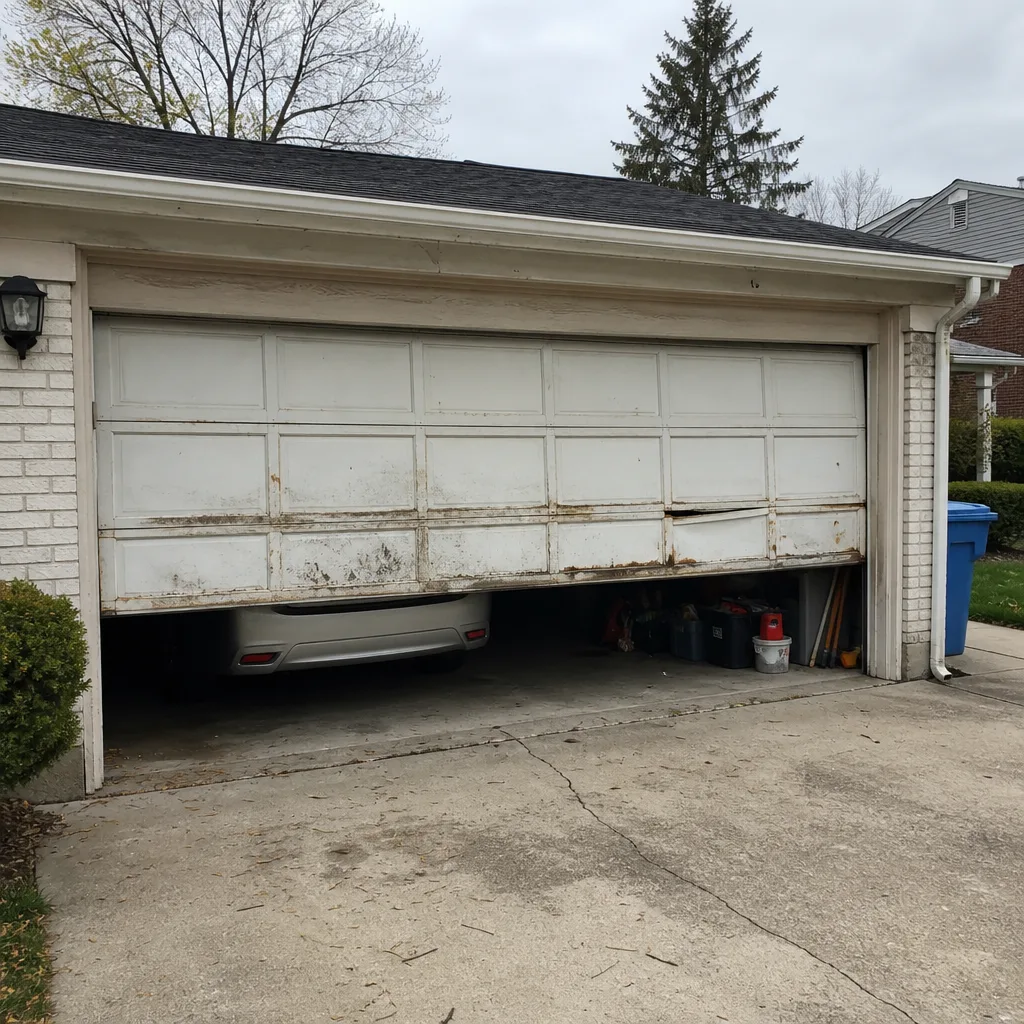 Before
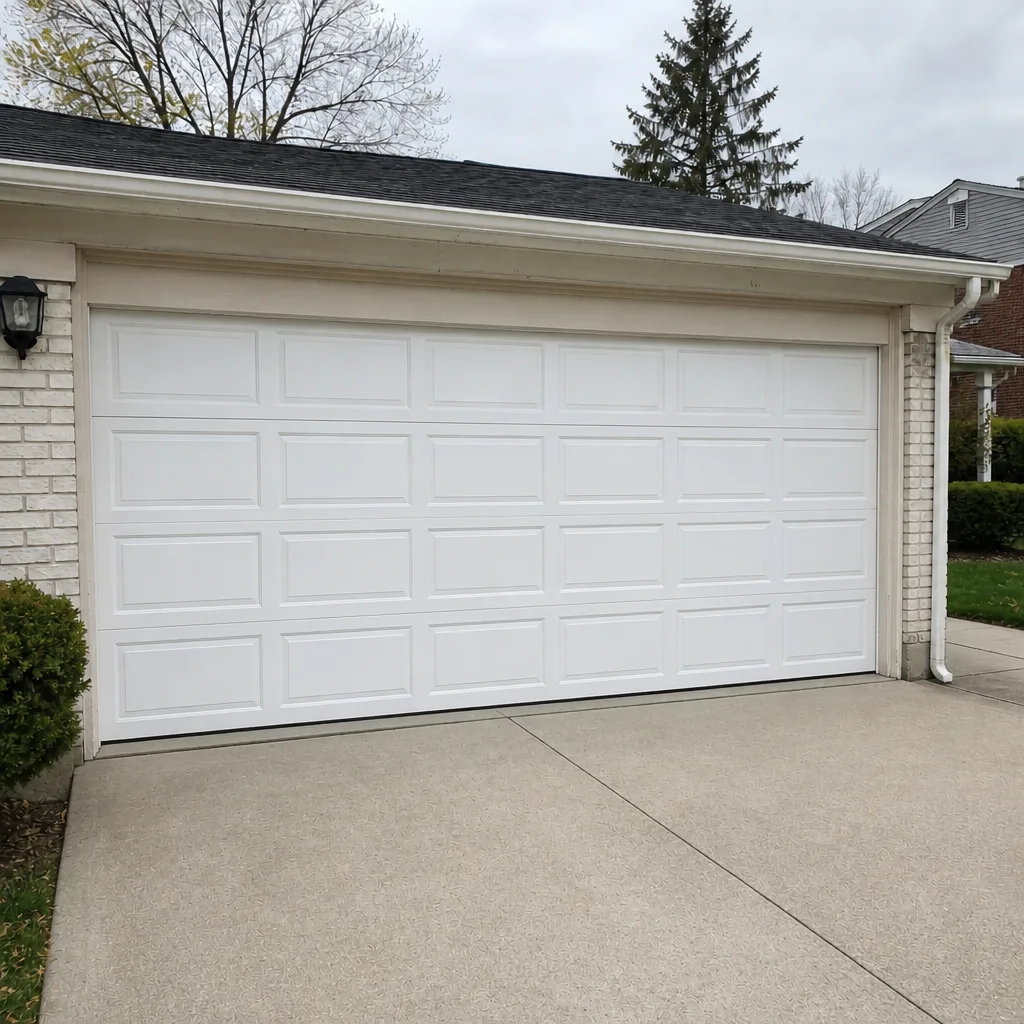 After
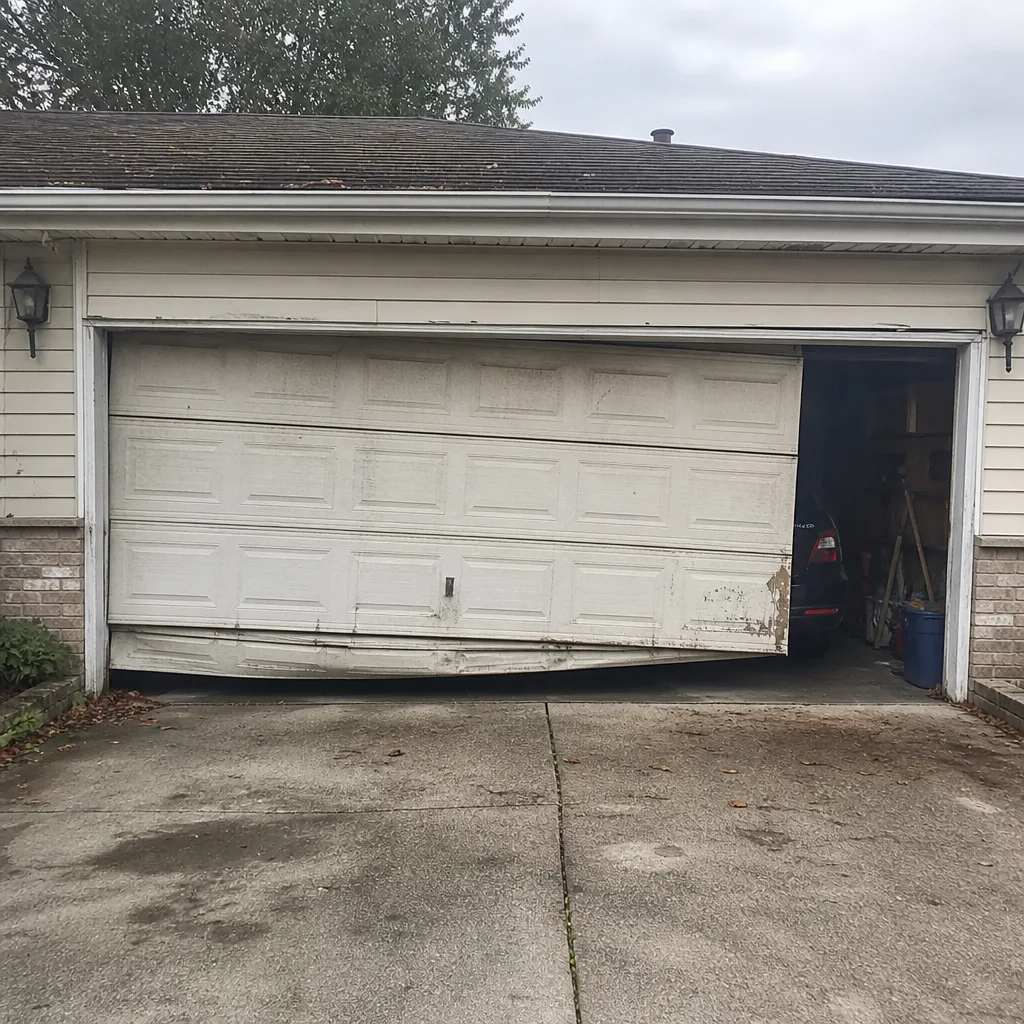 Before
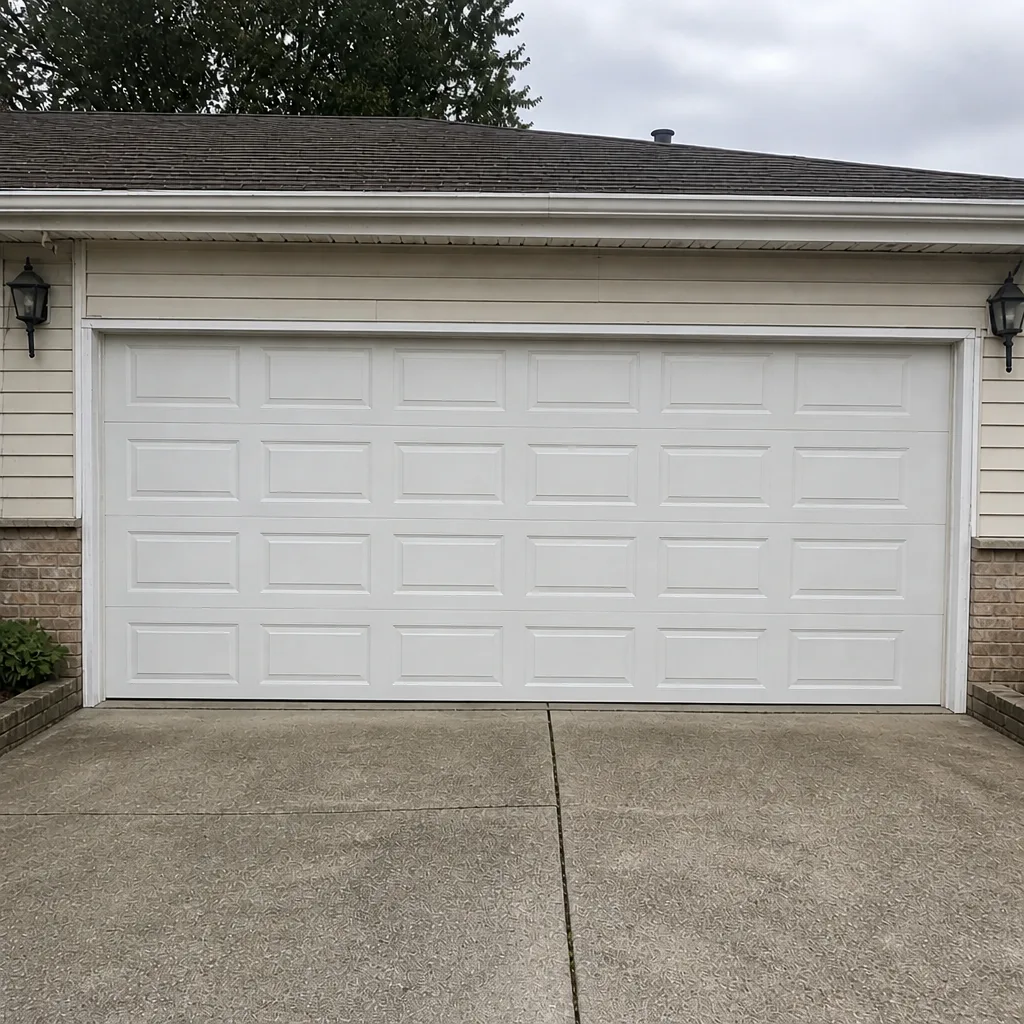 After
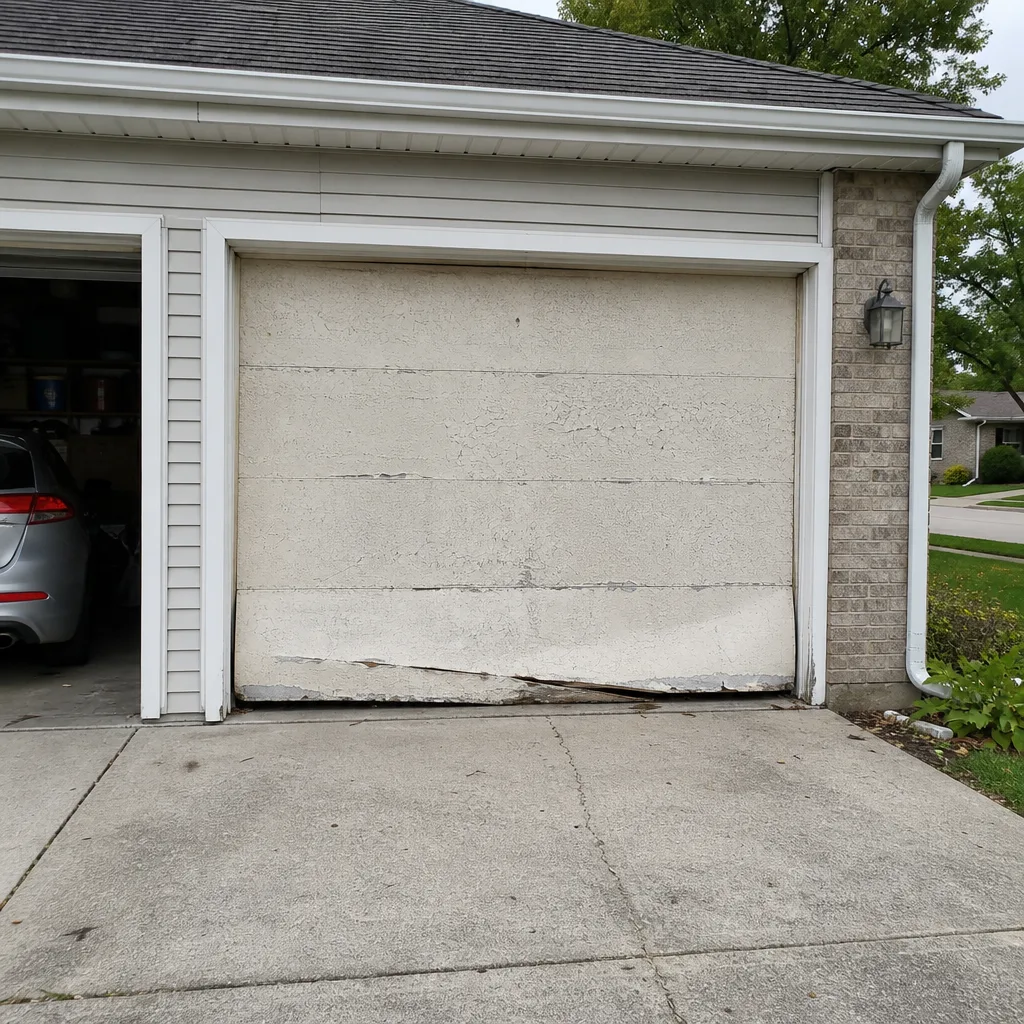 Before
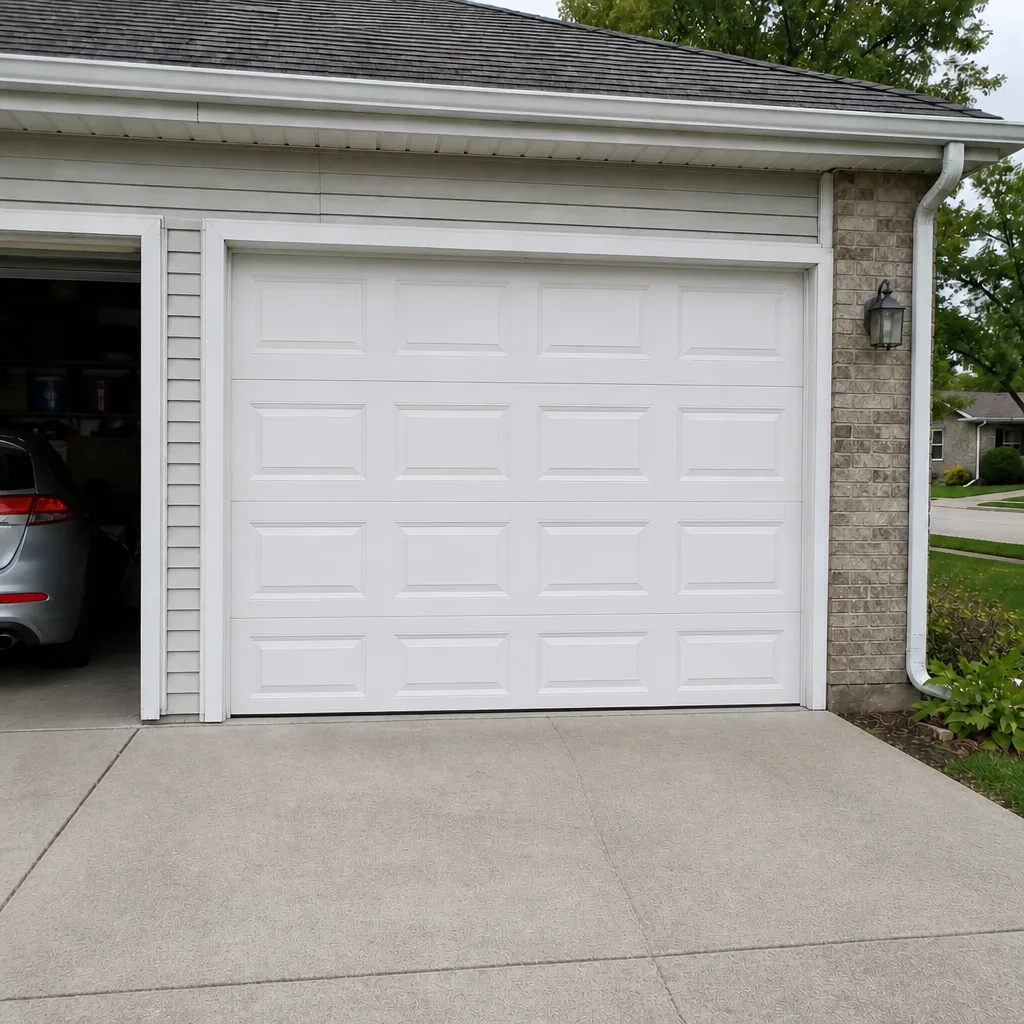 After
When to Call a Professional
Call a professional the moment you see a broken spring, a frayed or jumped cable, a pop followed by a door that won’t lift, a door that reverses without obstruction, or a door that’s visibly out of square. Those are the situations where continuing to run the door risks damaging the opener, warping a section, or creating a real safety hazard. Call a pro if the noise has changed in the last month, if the door feels heavier than it used to, or if you’ve already replaced a battery and the remote still won’t work. And call before trying to adjust spring tension or force limits yourself – those are exactly the settings where an amateur adjustment can cause a door to drop. Arlington Heights Garage Door Repair Pros offers free estimates in Arlington Heights – call (877) 460-4338. Our technicians have up to 9 years of experience, and a free estimate answers the “how bad is it” question before anything gets touched.
Frequently Asked Questions
The most common warning sign is a door that takes slightly longer to open or feels heavier than it used to – that’s the opener working against a weakening spring. It’s also the warning sign homeowners most often dismiss as the door “just getting older.” Call (877) 460-4338 for an exact quote on what’s causing it – estimates are free.
A well-maintained garage door usually lasts many years before a major repair, but the springs typically wear out before the door itself. The timeline depends on how many cycles the door has run, not on the year it was installed. If you don’t know your door’s history, the quickest answer comes from a visual inspection of the springs and cables.
No – a broken torsion spring should only be repaired by a trained technician. The spring stores extreme energy even with the door down, and releasing it incorrectly can cause serious injury. This is one repair where the honest answer is always to call.
A door that reverses partway up without obstruction is on a safety response – usually a misaligned photo-eye or a binding door that the opener’s force limit reads as an obstruction. Check that the photo-eyes are clean and aligned first; if the reversal continues, the door or opener needs a proper diagnosis. Call (877) 460-4338 for a same-day appointment – estimates are free.
A panel is structural if the door doesn’t close flush, if the panel joints are separating, or if there are stress creases on the section steel. A cosmetic panel problem is one that doesn’t affect the seal or operation. If the door is out of square or the panels are separating, stop running the door and have it assessed.
A noisy garage door is rarely an emergency by itself, but it’s always mechanical feedback and it’s worth diagnosing. Grinding and rattling usually mean worn rollers or hinges; a single loud pop plus a door that won’t lift means a broken spring and is an emergency. Call (877) 460-4338 if the noise has changed, and we’ll tell you over the phone whether it can wait or needs a visit today.
The Bottom Line
Garage door failures have long, loud warning periods. The door that grinds, hesitates, drifts, or rattles is telling you exactly which component is wearing out, and in most cases you have weeks – sometimes months – to act before it becomes a real emergency. The exceptions are the spring and the cable, where the timeline is short enough that waiting is a gamble. Take the symptoms seriously, leave the torsion springs to a trained technician, and get a free estimate the moment you notice something has changed. That’s the difference between a routine repair and a stuck door you can’t open. For service in Arlington Heights, call (877) 460-4338 or start with garage door repair and we’ll take it from there. You can also see our full range of services at Arlington Heights Garage Door Repair Pros.
Written by the team at Arlington Heights Garage Door Repair Pros.