Last updated November 22, 2026
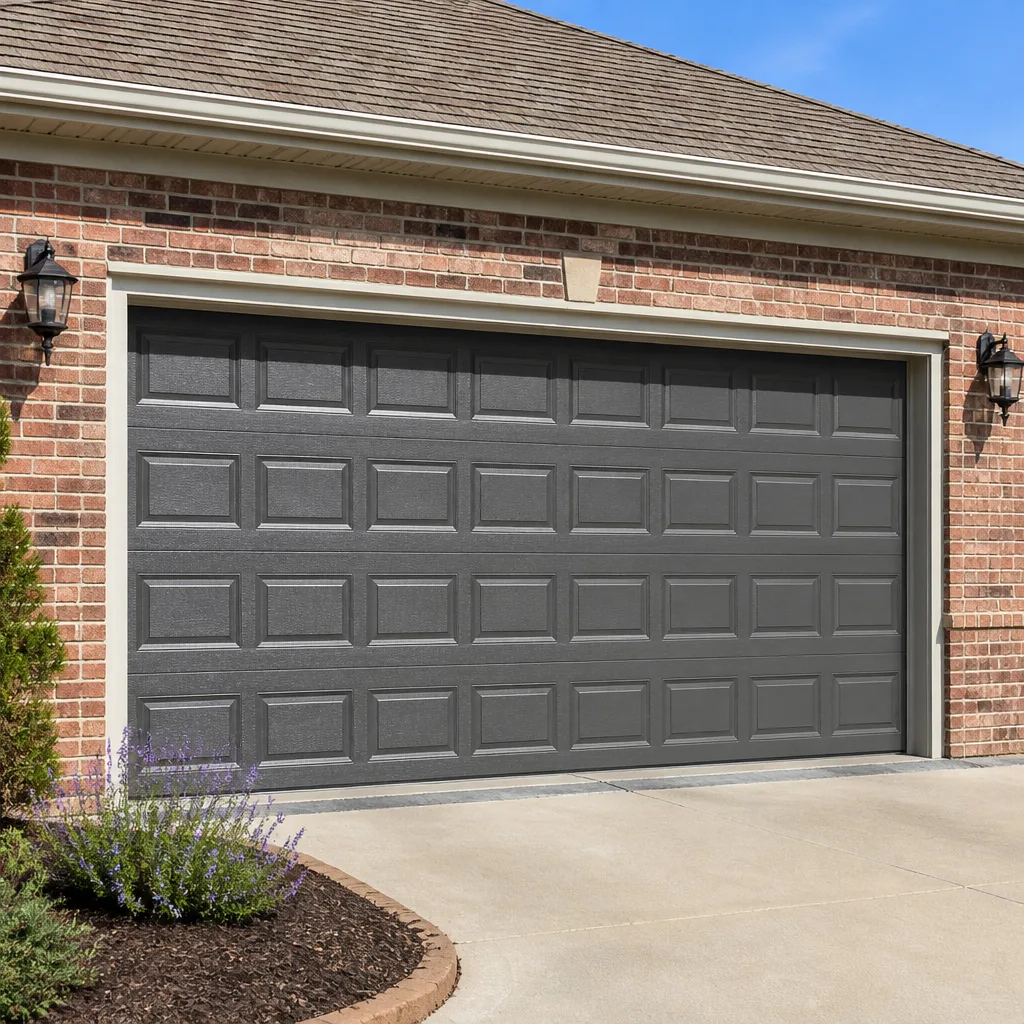 Raised-panel steel
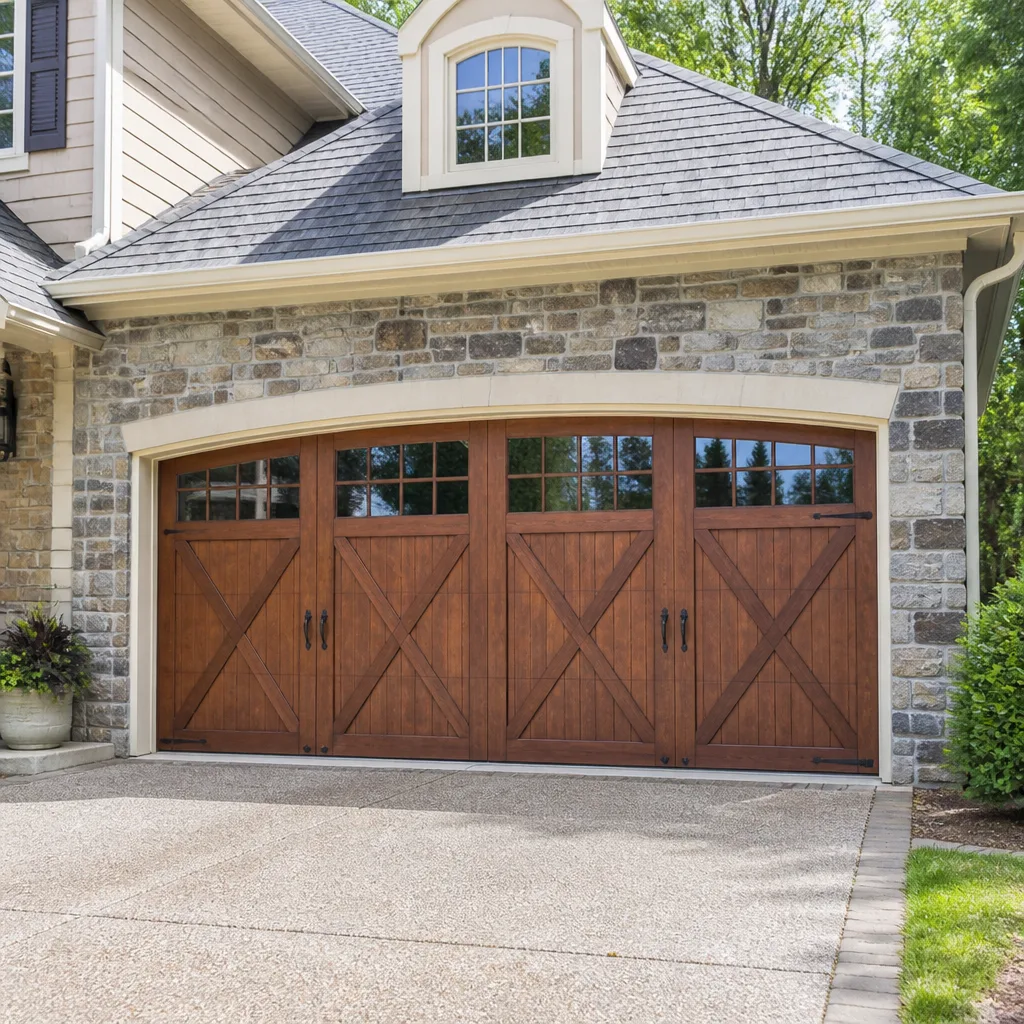 Carriage house
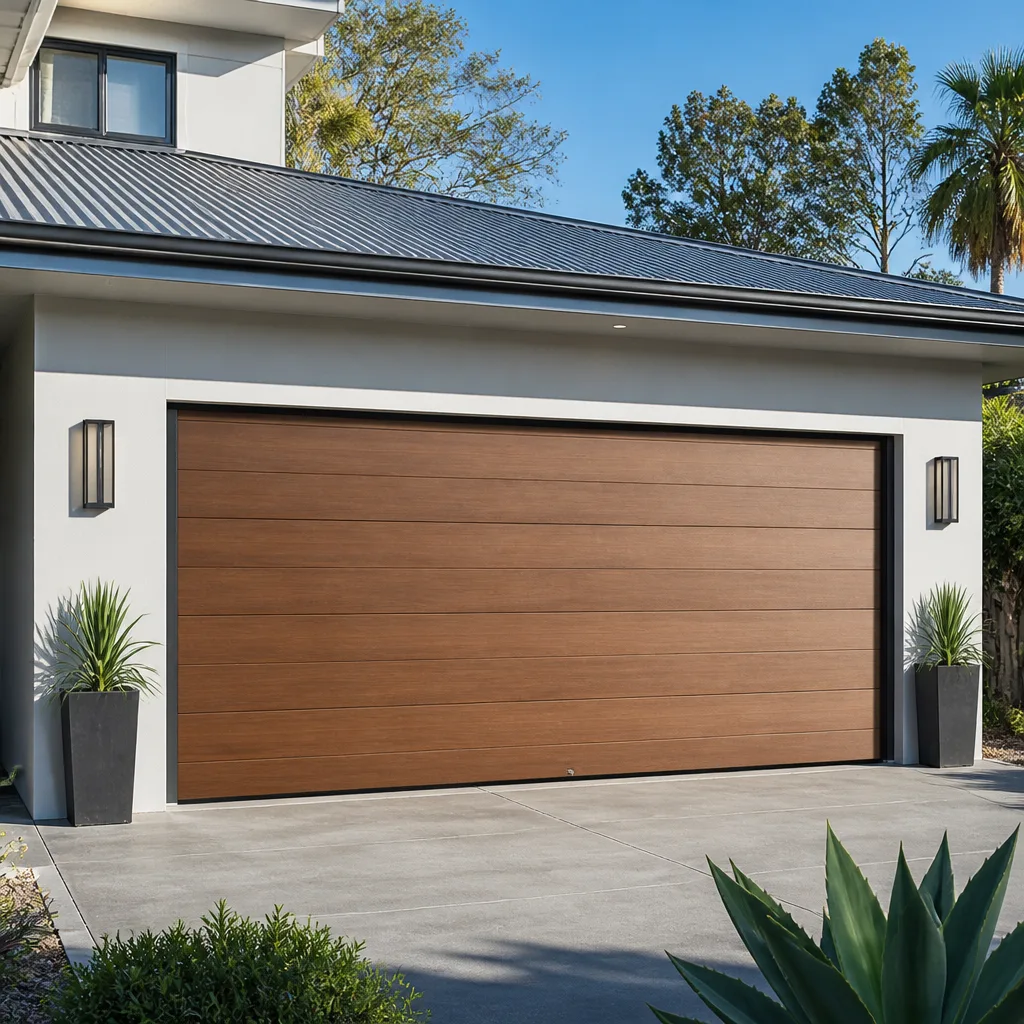 Modern flush
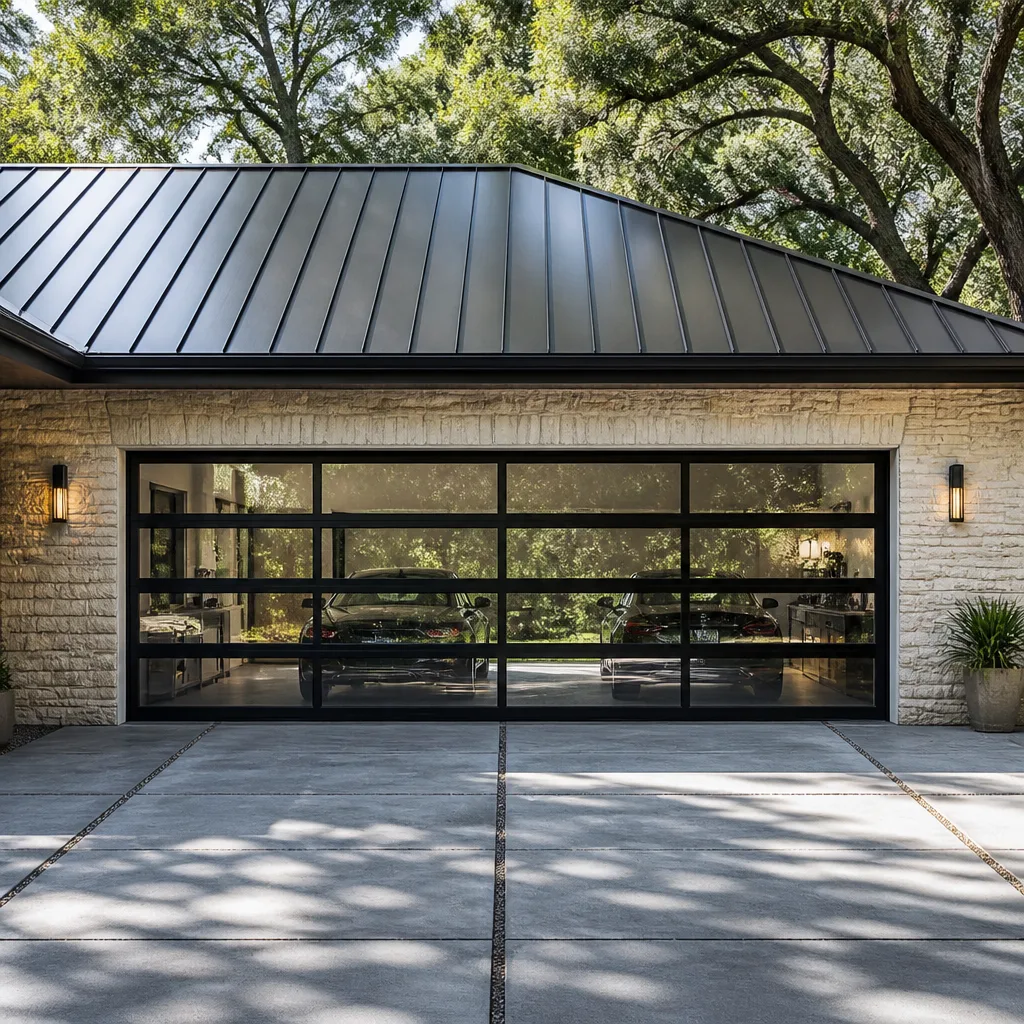 Full-view glass
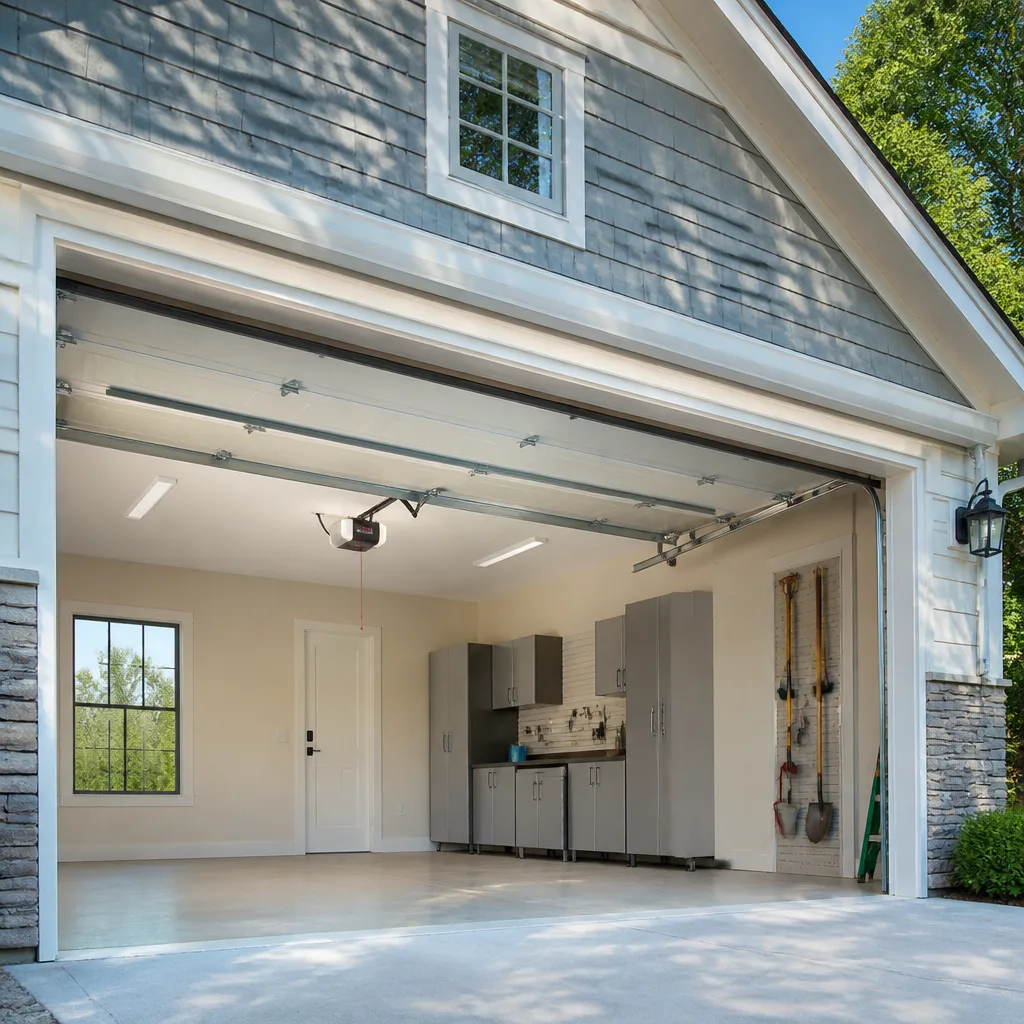 LiftMaster openers
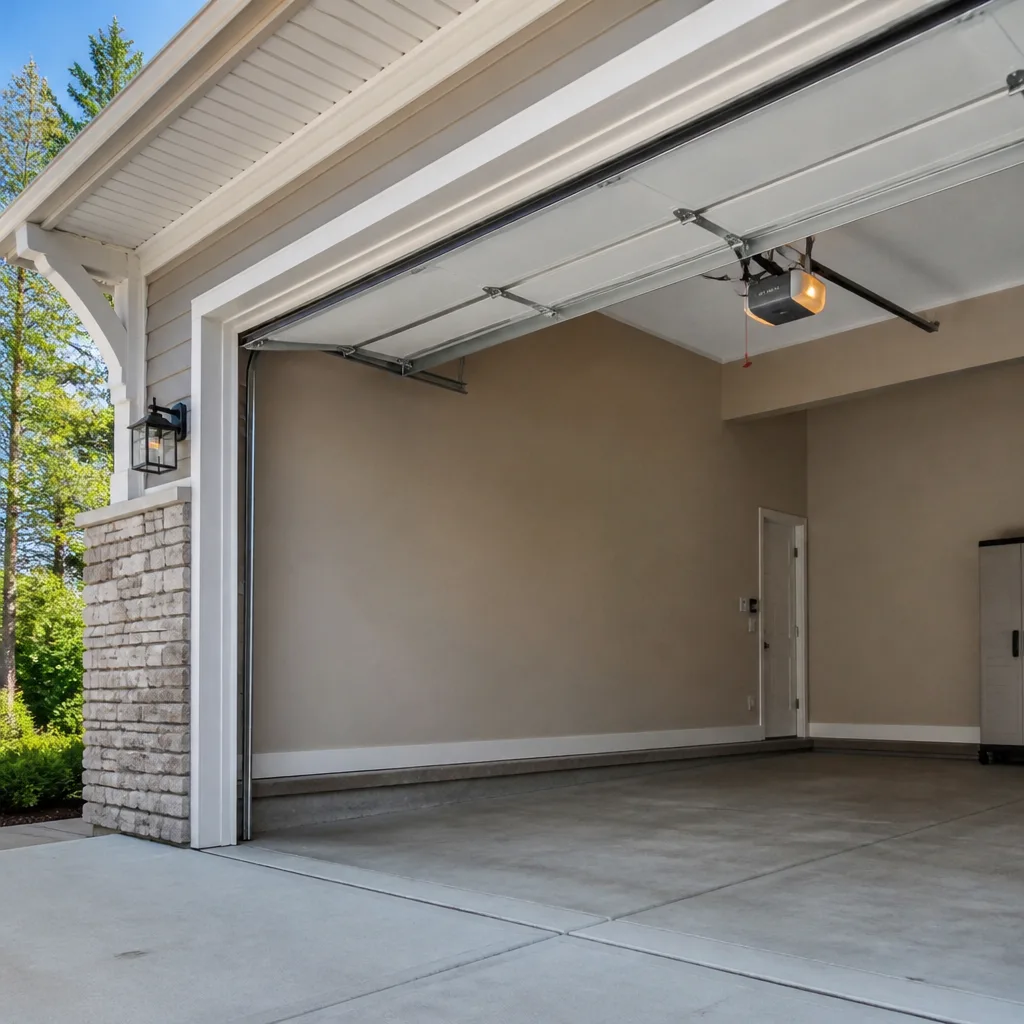 Chamberlain openers
Full 25-point door and opener safety check with every visit - springs, cables, rollers, tracks, and your LiftMaster or Chamberlain opener included
You get a price before we start. It does not change when the pro arrives.
Get your free estimateHow to Hire a Garage Door Contractor in Arlington Heights: A Step-by-Step Guide
Here’s the part most hiring guides get wrong: the worst garage door contractors in Arlington Heights aren’t the unlicensed operators hiding in the shadows. They’re perfectly legitimate general handymen and even HVAC companies who bolted “garage doors” onto their service menu without the brand-specific training these systems actually demand. A contractor can be fully licensed, carry insurance, hold fifty five-star reviews, and still have never touched the torsion setup on your door. Licensing tells you they’re legal. It tells you nothing about whether they know your system. This guide walks through the questions that separate a true specialist from a confident generalist, what a real answer sounds like, and how to protect yourself before anyone turns a wrench.
Quick Answer
To hire a garage door contractor in Arlington Heights, verify that they specialize in garage doors specifically, ask which opener and door brands they’re factory-familiar with, demand an itemized written quote that lists parts and labor separately, and get the parts and labor warranty in writing before work begins. The right contractor answers brand questions without hesitation and never quotes a job without seeing the door.
Styles & brands we work with
- Raised-panel steel
- Carriage house
- Modern flush
- Full-view glass
- LiftMaster openers
- Chamberlain openers
Table of Contents
- Why Specialization Beats a General Contractor for Garage Doors
- The Three Questions That Reveal a Brand-Trained Specialist
- What Illinois Licensing Covers – and What It Doesn’t
- Red Flags in a Quote: Why Itemization Matters
- How to Verify Brand Familiarity Before They Arrive
- What a Legitimate Warranty Looks Like on Paper
- Arlington Heights Specifics: Climate, Housing, and Timing
- The Step-by-Step Hiring Process
Why Specialization Beats a General Contractor for Garage Doors
A garage door is the largest moving object on a residential property, and it’s spring-loaded. That combination means the systems inside your door behave very differently from the general carpentry and HVAC work that most handymen do daily. A torsion spring that’s been sized wrong, an opener that’s been paired with the wrong door weight, a track that’s been bolted a few degrees off plumb – these aren’t cosmetic problems. They shorten the life of every component around them and can turn a routine fix into a full replacement.
Generalists can hang a door. They can also spend two hours figuring out which of the eight major manufacturer systems they’re looking at before they touch anything. That learning curve happens in your driveway, on your schedule. A dedicated specialist walks up already knowing whether your door is a Clopay steel panel or an Amarr carriage-house model, whether your opener is a belt-drive Chamberlain or a chain-drive Genie, and what the typical failure points are on that specific combination.
In Arlington Heights, the housing stock runs from mid-century ranch homes with original single-car setups to newer builds with high-lift and carriage-house doors. Each generation of door has its own spring configuration, its own bracket pattern, and its own opener compatibility quirks. A contractor who has worked across that range can usually diagnose a problem in a walk-through. A contractor who hasn’t will be guessing and adjusting – and charging you for the education.
What “specialist” actually means in practice
A garage door specialist does one thing: residential garage door repair, opener repair, spring repair, installation, and emergency service. That’s the whole business. When you call a general handyman, you’re calling someone whose last five jobs may have been decks, gutters, and drywall. When you call a specialist, spring work isn’t a side service – it’s a core competency that gets practiced every week. For a deeper look at the individual services, our garage door repair page breaks down what each job type involves.
The Three Questions That Reveal a Brand-Trained Specialist
You don’t need to be a garage door technician to spot one. You need three questions, asked in this order, and a sense of what a real answer sounds like versus a rehearsed one. Ask these before you book anything.
Question 1: “Which opener brands do you work on regularly?”
A specialist names brands the way a mechanic names car makes – immediately, and with opinions. They’ll tell you which systems they see most in Arlington Heights, which ones are most reliable, and which legacy models are prone to a specific failure. A generalist will say something vague like “we work on all of them,” which is usually code for “we’ve installed a couple and hope yours is easy.”
Question 2: “Have you worked on [your specific brand and model] before?”
Look up the brand name on your opener or door panel first. LiftMaster, Chamberlain, Genie, Clopay, Amarr, Wayne Dalton, Craftsman, and Raynor are the eight major systems a serious specialist should recognize instantly. When you name yours, listen for a specific response. A brand-trained technician will tell you the common issues on that model, how the parts availability usually shakes out, and whether the fix tends to be quick. A generalist will stall.
Question 3: “What do you usually see fail first on a door like mine?”
This is the tell. A specialist has a specific answer because they’ve seen the same failure dozens of times on the same door configurations all over Arlington Heights. On older torsion setups, it’s almost always the springs. On newer belt-drive openers, it’s often the logic board or the safety sensors. A generalist gives a generic answer like “springs go out” because that’s the only failure they know by name. If they can’t describe two or three specific failure points on a door like yours, they’re not a specialist.
These three questions take ninety seconds to ask and save you days of frustration. Write them down before you call.
What Illinois Licensing Covers – and What It Doesn’t
Illinois requires contractors working on residential property to be licensed at the state level, and your municipality may have additional local registration. Ask any contractor you’re considering for their license information and confirm it before scheduling. This is the legal baseline, and you should never skip it.
Here’s the gap. Illinois licensing for garage door work confirms a contractor has met the state’s general requirements for residential contractors. It does not confirm that they’ve been trained on LiftMaster logic boards, that they know the differences between Clopay and Amarr spring configurations, or that they’ve ever worked on a smart-home-integrated opener. Licensing is a floor, not a ceiling. The state doesn’t test for brand-specific competency, and it doesn’t audit how often a contractor actually does garage door work.
What to ask beyond the license number
- How much of your work is garage doors? A specialist should tell you garage doors are the whole business or the overwhelming majority of it. “About a third” is a red flag.
- Are you insured and bonded? Licensing and insurance are separate. Confirm both. The local pro we connect you with is licensed and insured as Illinois requires.
- Do you subcontract the work? You want the contractor who quotes the job to be the one who performs it. Subcontracting to a third party blurs the warranty chain.
- What brands are you factory-familiar with? The answer should name recognizable brands without hesitation.
For high-risk jobs like spring replacement and opener wiring, confirm the crew that shows up is the same one that was vetted. Springs are under extreme tension, and panel wiring involves household current. A trained professional handles both.
Red Flags in a Quote: Why Itemization Matters
A quote that says “$450 for garage door repair” isn’t just poor transparency – it’s a liability. When you don’t know what’s being replaced, what brand it is, and what labor is being charged, you have no way to verify that the right parts were installed, no way to compare one quote to another, and no way to hold the contractor to a warranty claim if something fails six months later.
Itemization is your protection. A proper garage door quote lists every part by name and brand, separates parts cost from labor, and states the warranty terms for each line. If the contractor won’t itemize, that’s the quote to walk away from.
What a solid quote contains
- Part names and specifications – “two torsion springs, 0.225 wire, matched pair” instead of “springs.”
- Brand names – Clopay, Amarr, LiftMaster, Chamberlain, Genie, and so on, not “compatible aftermarket part.”
- Labor broken out by line – so you know what a spring swap costs versus a track realignment.
- Parts warranty in months or years – on the specific parts being installed.
- Labor warranty in months or years – on the workmanship.
- A priced written total – stated clearly, with the note that the price is agreed before any work starts.
For reference, spring replacement for a single spring in the Arlington Heights market typically runs $180-$340. A matched pair usually gets replaced together, so a pair runs about twice that. A quote in that ballpark with itemization and a written warranty is a fair quote. A quote far under could mean aftermarket springs of unknown origin. A quote far over deserves a second opinion.
If your door is sagging, off-track, or won’t open reliably, garage door repair covers the diagnostic side. For spring-specific work, our garage door spring repair page walks through what a proper spring job involves from start to finish.
How to Verify Brand Familiarity Before They Arrive
The goal isn’t to quiz the technician – it’s to confirm, before anyone’s in your driveway, that they’ve worked on your exact system. That confirmation happens in three places: your first call, the pre-visit conversation, and the moment they walk up to the door.
Step 1: Identify your brand
Before you call anyone, find the brand name. On openers, it’s usually printed on the motor housing or the wall button. On doors, check the bottom section or the inside panel. Jot down the model number if it’s visible. This single step immediately filters out contractors who’d otherwise waste your time feeling around for it in person.
Step 2: Name the brand on the call
When you call, name your brand and model. A brand-trained contractor responds with recognition – “Oh, the belt-drive Chamberlain,” or “That’s the older chain-drive Genie.” A generalist goes quiet and then says something like “we can take a look.” That’s your cue to keep dialing.
Step 3: Watch the walk-up
When a technician arrives, they should look at your system and know what they’re seeing within seconds. If they pull out a phone to look up parts compatibility for a common brand, that’s not necessarily disqualifying, but it’s a signal. If they start asking you how it’s been behaving in ways that suggest they haven’t seen this system before, that’s the pattern to notice.
To skip the search entirely, our Arlington Heights Garage Door Repair Pros work on all eight major systems – LiftMaster, Chamberlain, Genie, Clopay, Amarr, Wayne Dalton, Craftsman, and Raynor – so there’s no learning curve on arrival. Opener work is a specialty of its own, and our garage door opener repair page explains what to expect across both legacy and smart-home systems.
What a Legitimate Warranty Looks Like on Paper
Verbal warranties evaporate. A real garage door warranty exists on paper before the work starts, states the exact duration of coverage on parts and labor separately, and names the parts covered by brand. Anything else is a handshake.
What to insist on before work begins
- A written duration for both parts and labor – not “we stand behind our work” without a number or timeframe attached.
- Part-specific coverage – springs may carry a different warranty window than openers or panels, and the coverage should say so.
- The warranty document in your hand – before the technician starts, not after the invoice is paid.
- Clear exclusions – what voids the warranty (unauthorized adjustments, weather events, and so on) should be stated, not smuggled in.
- The parts you actually paid for – if the quote named Clopay torsion springs, the warranty should too. Generic warranty language on a named part is a red flag.
If the contractor can’t produce a written warranty before work starts, ask them to. A specialist will have one ready. A generalist may need to check with someone, which tells you something about how often the question comes up in their business.
Arlington Heights Specifics: Climate, Housing, and Timing
Arlington Heights sits in that northern Illinois climate zone where winter cold gets real and summer humidity swings hard. That cycle matters for your garage door. Springs cycle through contraction and expansion every season, and doors that sit on cold concrete slabs all winter see more wear on the bottom seal and the rollers than doors in milder climates. That’s why spring inspections in late fall, before the first hard freeze, are worth the time for any Arlington Heights homeowner. The failure usually comes in the first cold snap of the year, not in the middle of summer.
The housing stock here matters too. Older ranch and split-level homes in neighborhoods like Scarsdale, Pioneer Park, or Camelot often have original single-car setups with torsion springs that have seen a lot of winters. Newer builds west of Arlington Heights Road frequently come with high-lift doors and smart-home openers – LiftMaster and Chamberlain dominate that segment. A contractor who works across both ends of that range has seen a much wider variety of failures than one who specializes only in new installs or only in repair.
Timing considerations specific to this area
- Post-winter surge: The first warm weeks in March and April bring a wave of spring failures across Arlington Heights. Book early if something’s been feeling sluggish all winter.
- Pre-winter service: A quick check of springs, cables, and the bottom seal in October or November heads off the most common failures.
- Storm and impact damage: High winds and falling limbs are the more common local irritant than hail, which is uncommon here. If a panel takes a hit, get it looked at before the opener starts overworking.
- New installs and replacements: These need to be measured and ordered, not rushed. A free measure and a written price is the right first step, not a same-day job.
If you’re ever facing an emergency – a door stuck open, a snapped spring with the door jammed down – a stuck garage door isn’t a tomorrow problem. Emergency garage door service is worth calling on.
The Step-by-Step Hiring Process
Here’s the whole process in order, from first search to signed warranty. Eight steps, each one small enough to do in a few minutes.
- Identify your door and opener brand. Write down the make and model before you call anyone.
- Call two or three contractors and ask the three questions from earlier. Compare the specificity of the answers, not just the price.
- Confirm the license. Ask for the state license and verify it. Also confirm the contractor is insured and bonded.
- Request an on-site estimate for anything beyond a trivial fix. A contractor who quotes a spring replacement over the phone without seeing the door is guessing.
- Demand an itemized quote. Parts by name and brand, labor broken out, both warranties stated.
- Compare quotes side-by-side. If one is dramatically cheaper, check whether it’s using aftermarket parts. If one is dramatically higher, ask why. The written estimate sets the final price, agreed before work starts.
- Confirm the written warranty before the technician begins, not after.
- Ask how emergencies are handled. Find out now, before you need it.
This process takes an afternoon. Skipping it costs you far more when a job goes sideways. For homeowners in Arlington Heights, we offer free estimates so the comparison step is easy – call (877) 460-4338 to book one.
Common Mistakes to Avoid
- Hiring the cheapest quote without checking what’s actually being installed. Aftermarket springs of unknown origin may fail in under a year, and the money you saved disappears on the second repair. Ask what brand is going in.
- Accepting a phone quote for a spring or opener job. Real spring work requires seeing the wire size, the drum condition, and the door weight. A quote without a visit is a guess that nobody can honor. In Arlington Heights, that matters because the housing stock varies so widely.
- Assuming licensing means brand training. Illinois licensing confirms a contractor is legal to work on residential property. It says nothing about whether they’ve seen a Craftsman opener before, let alone yours.
- Skipping the warranty conversation. Verbal promises after the fact don’t help. Get the written warranty before work starts, or walk.
- Confusing “handyman” with “specialist.” A generalist who works on decks, drywall, and gutters can’t sustain the same practice volume on garage doors. Specialization shows up in the specificity of the answers, not in the marketing.
- Waiting through the post-winter surge. Every Arlington Heights homeowner with a sluggish spring is calling in March. Booking a pre-winter inspection in fall keeps you out of the queue.
- Letting a stuck door sit for days. A door jammed open overnight leaves the house exposed, and a jammed-shut door leaves the car trapped. If a door fails, call for emergency service instead of waiting.
See the difference
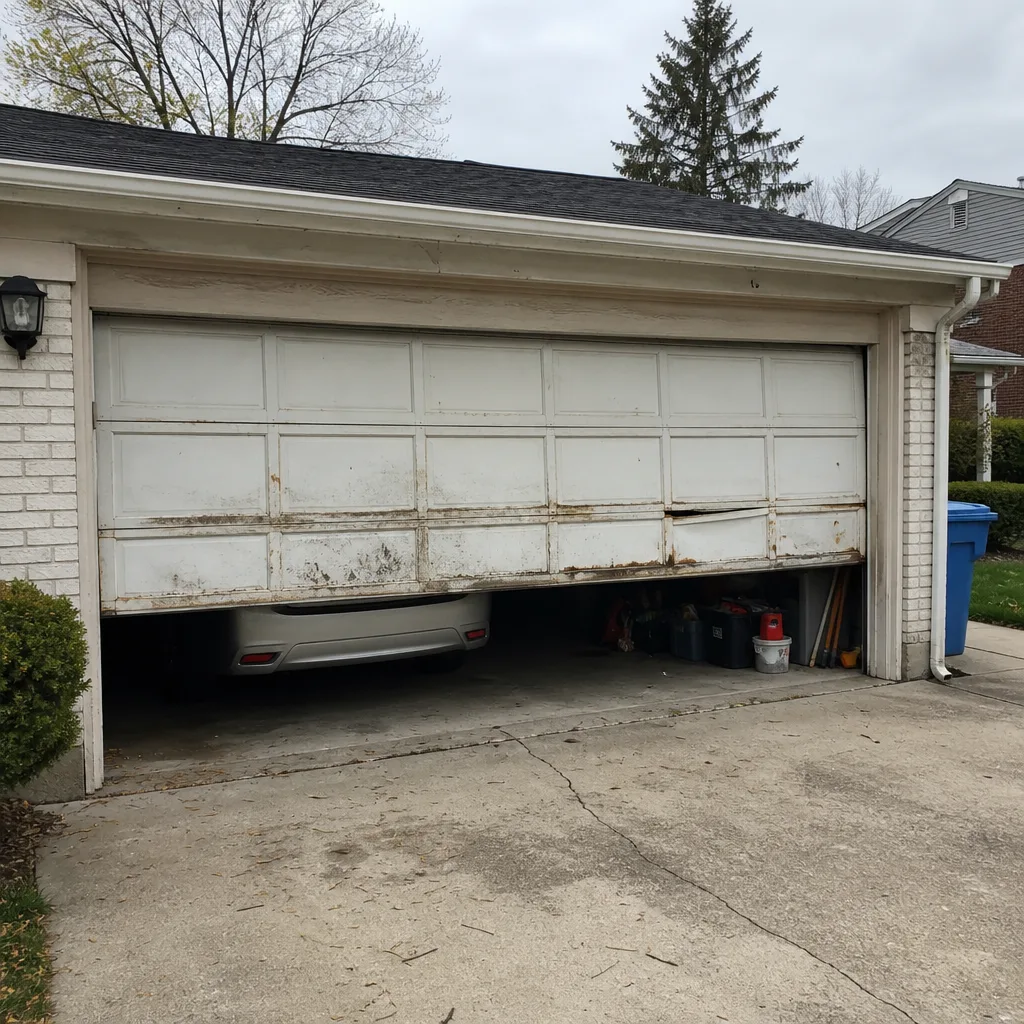 Before
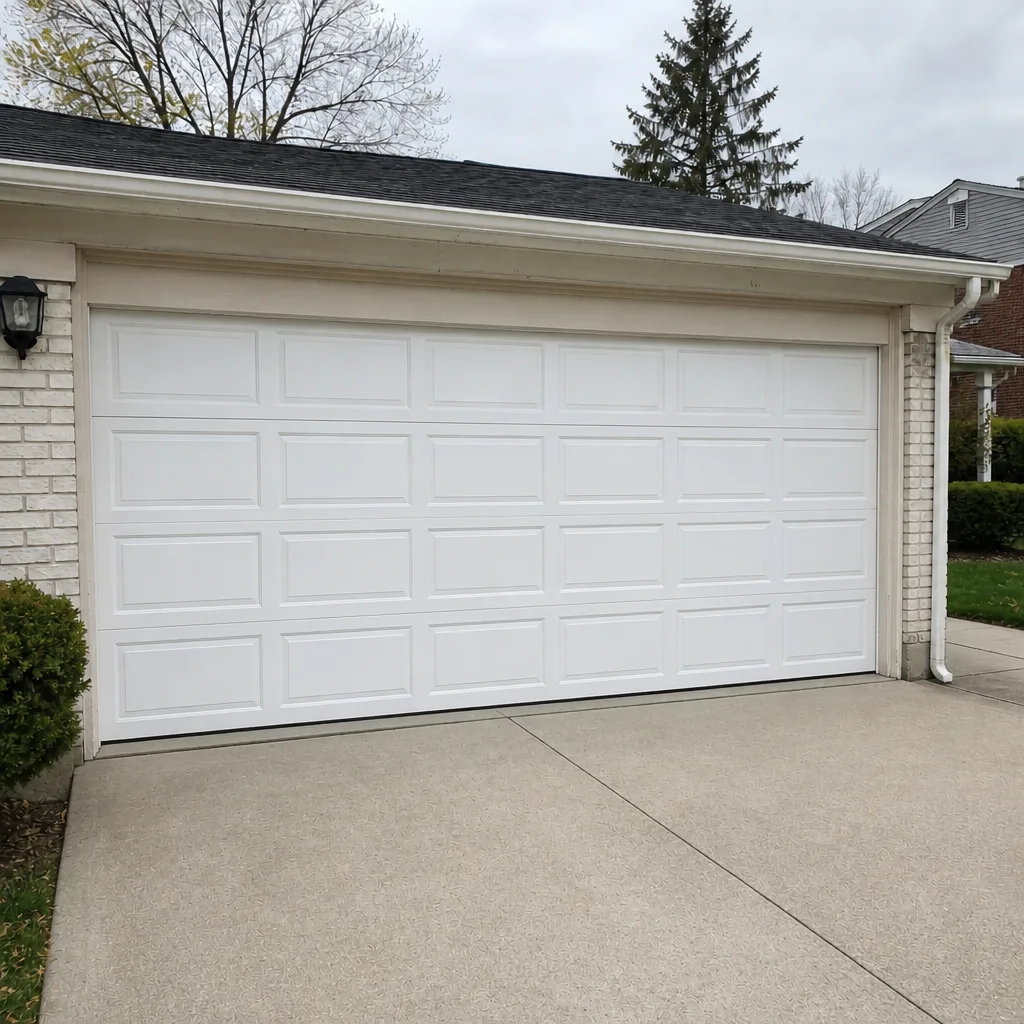 After
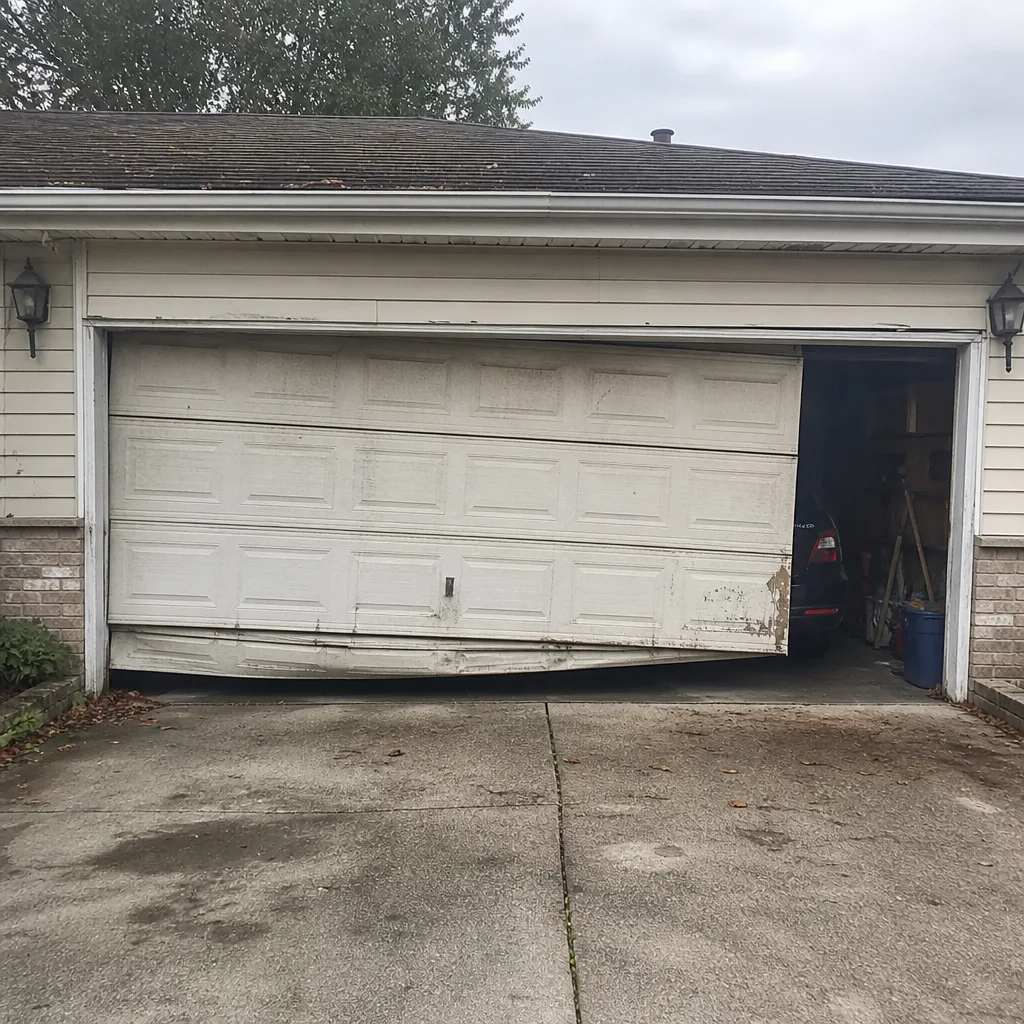 Before
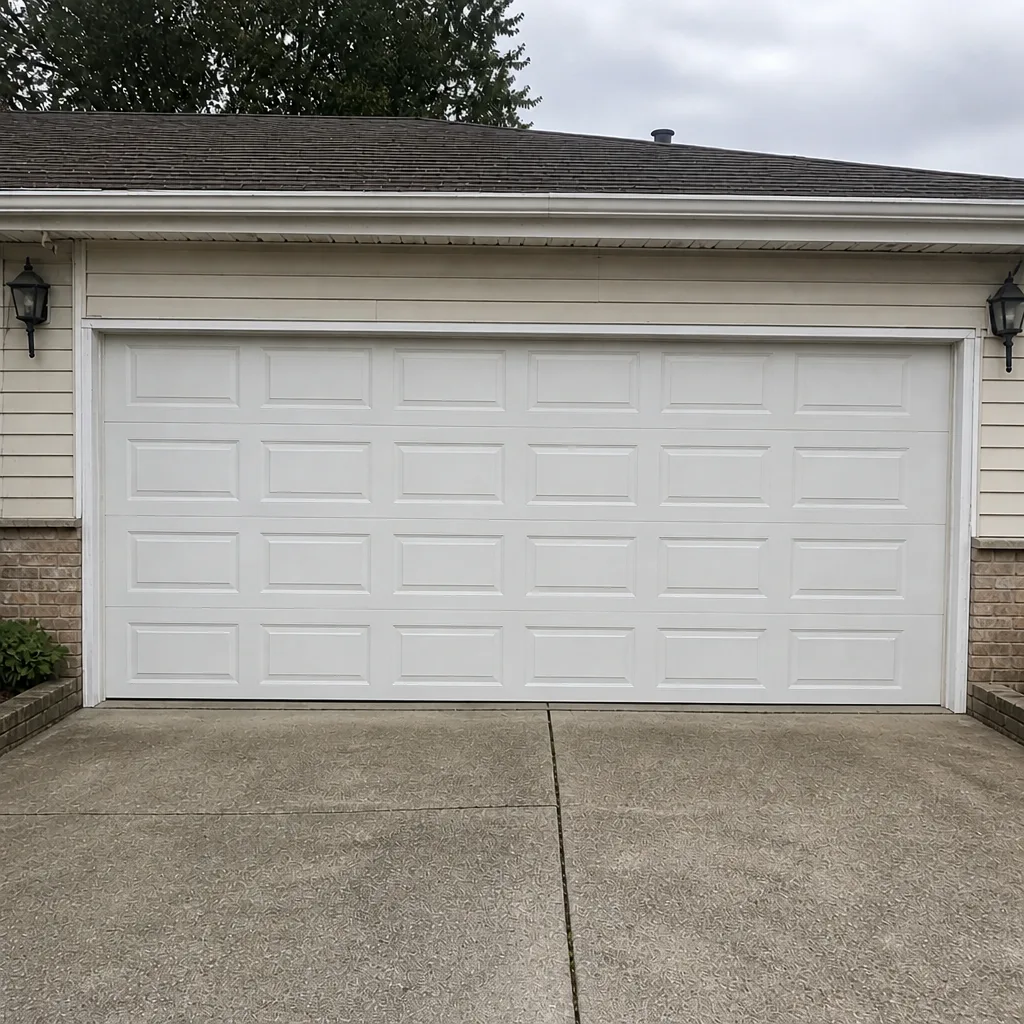 After
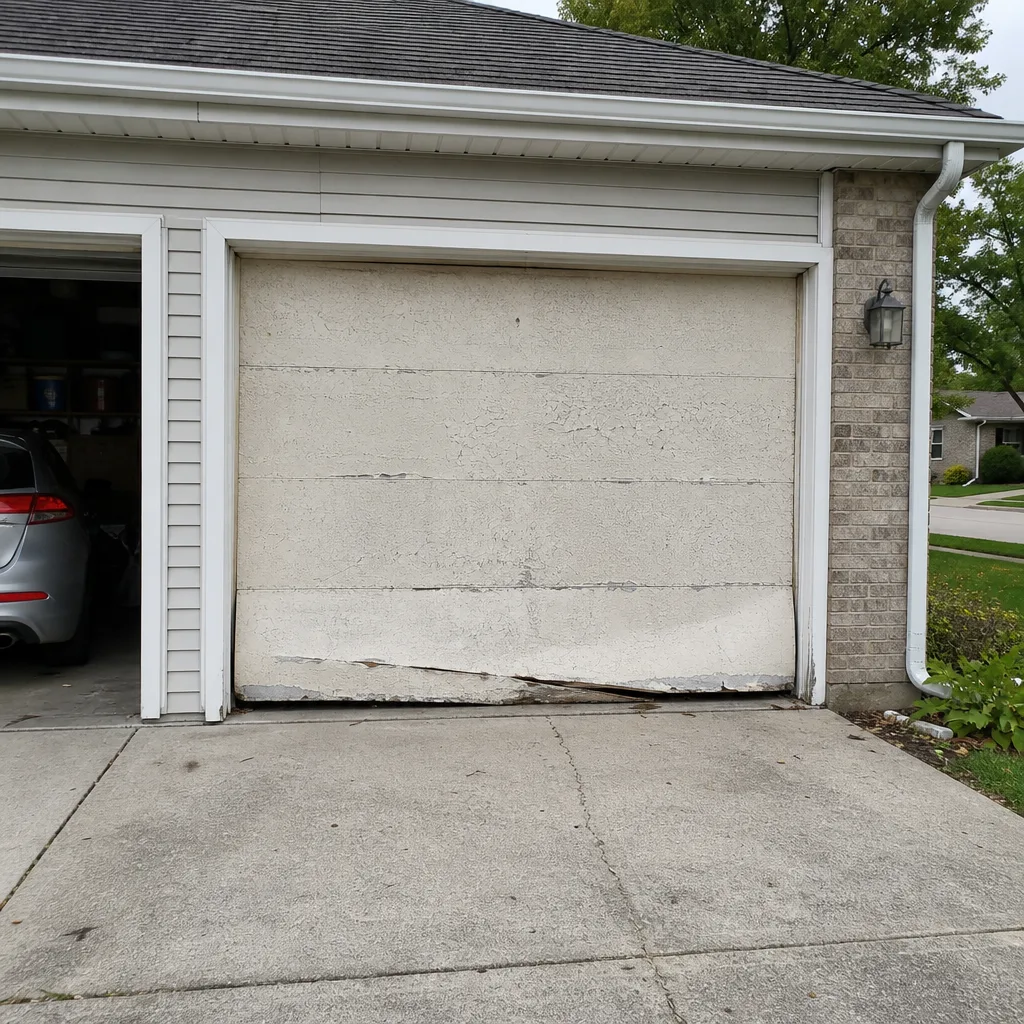 Before
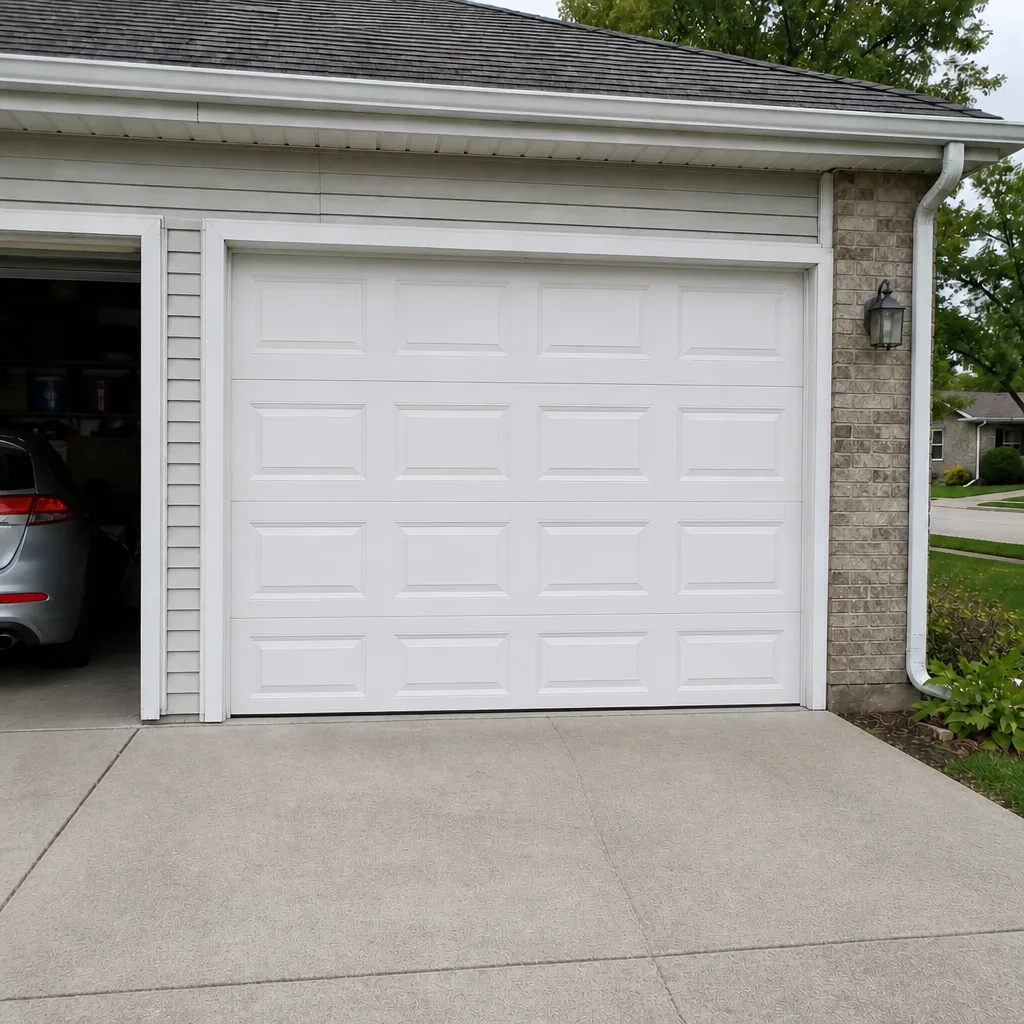 After
When to Call a Professional
Call a professional for any garage door issue that involves springs, cables, or the opener’s electrical work. Those components carry genuine safety risk. High-tension torsion springs and cables can cause serious injury if handled without proper tools and training, and opener wiring ties into household current. That’s the line: diagnose visually, but don’t attempt the fix. For anything involving a bent track, a door that’s come off its rollers, a snapped spring, or an opener making grinding or clicking sounds, a trained professional is the right call.
Other situations where it’s worth the call: the door won’t close all the way, the opener responds intermittently, the safety sensors won’t re-align, or you’re hearing something new. In each case, professional diagnosis saves money by catching the small problem before it becomes a full replacement. Arlington Heights Garage Door Repair Pros offers free estimates in Arlington Heights – call (877) 460-4338.
Frequently Asked Questions
No. Illinois licensing confirms a contractor is legal to work on residential property, not that they’ve been trained on your door or opener brand. Confirm brand familiarity directly by asking which of the major systems – LiftMaster, Chamberlain, Genie, Clopay, Amarr, Wayne Dalton, Craftsman, Raynor – they work on regularly. Our technicians work on all eight. Call (877) 460-4338 for a free estimate.
Spring repair in Arlington Heights typically runs $180-$340 for a single spring. A matched pair is usually replaced together, so a pair runs about twice that. The written estimate sets the final price, agreed before any work starts. Call (877) 460-4338 for an exact quote – estimates are free.
The price shouldn’t change after it’s agreed. If it does, that’s a red flag. A real garage door quote is built from an on-site assessment so the scope is already set. Ask any contractor to confirm in writing that the quoted price is the agreed price. Call (877) 460-4338 for a free written estimate before any work is scheduled.
Ask the question directly on your first call. A brand-trained contractor names specific models and tells you common failure points on those systems. To make it easy, find your brand name first – it’s usually printed on the motor housing or the wall button. Then ask which failure points they typically see on that brand. A specialist has a specific answer; a generalist doesn’t. Call (877) 460-4338 to talk to a specialist.
A proper warranty covers parts and labor separately, with stated durations on each, and names the specific parts by brand. Get it in writing before work starts. If the contractor can’t produce a written warranty before the technician begins, ask for one. A specialist will have one ready. Call (877) 460-4338 for ours – free estimates and a written warranty on every job.
No. Torsion springs are under extreme tension and can cause serious injury without proper tools and training. Most Arlington Heights springs get replaced by a trained professional for good reason, not as a sales tactic. Call (877) 460-4338 for reliable spring service – our technicians have up to 9 years of experience.
The Bottom Line
The hiring skill worth developing as a homeowner is brand-specific questioning. Licensing, insurance, and a stack of positive reviews all tell you a contractor is legitimate. They don’t tell you the contractor has ever worked on your exact door, your exact opener, or the failure mode your specific system is prone to. Ask what brands they know, ask what fails first on a door like yours, ask for an itemized written quote with a warranty attached. The right garage door specialist answers all three without hesitation and gives you a written price before a single tool comes out of the bag. That’s the difference between hiring a contractor and hiring a specialist.
Written by the team at Arlington Heights Garage Door Repair Pros.