Last updated November 22, 2026
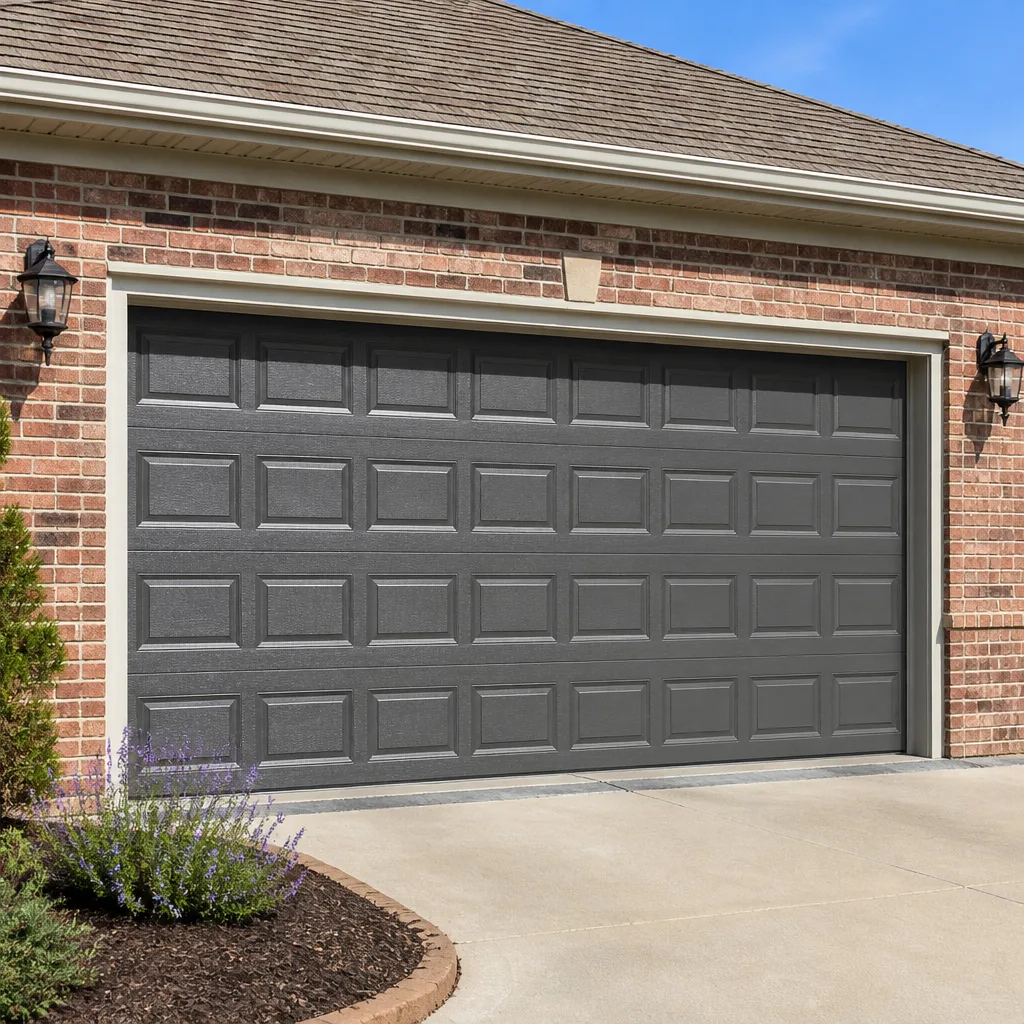 Raised-panel steel
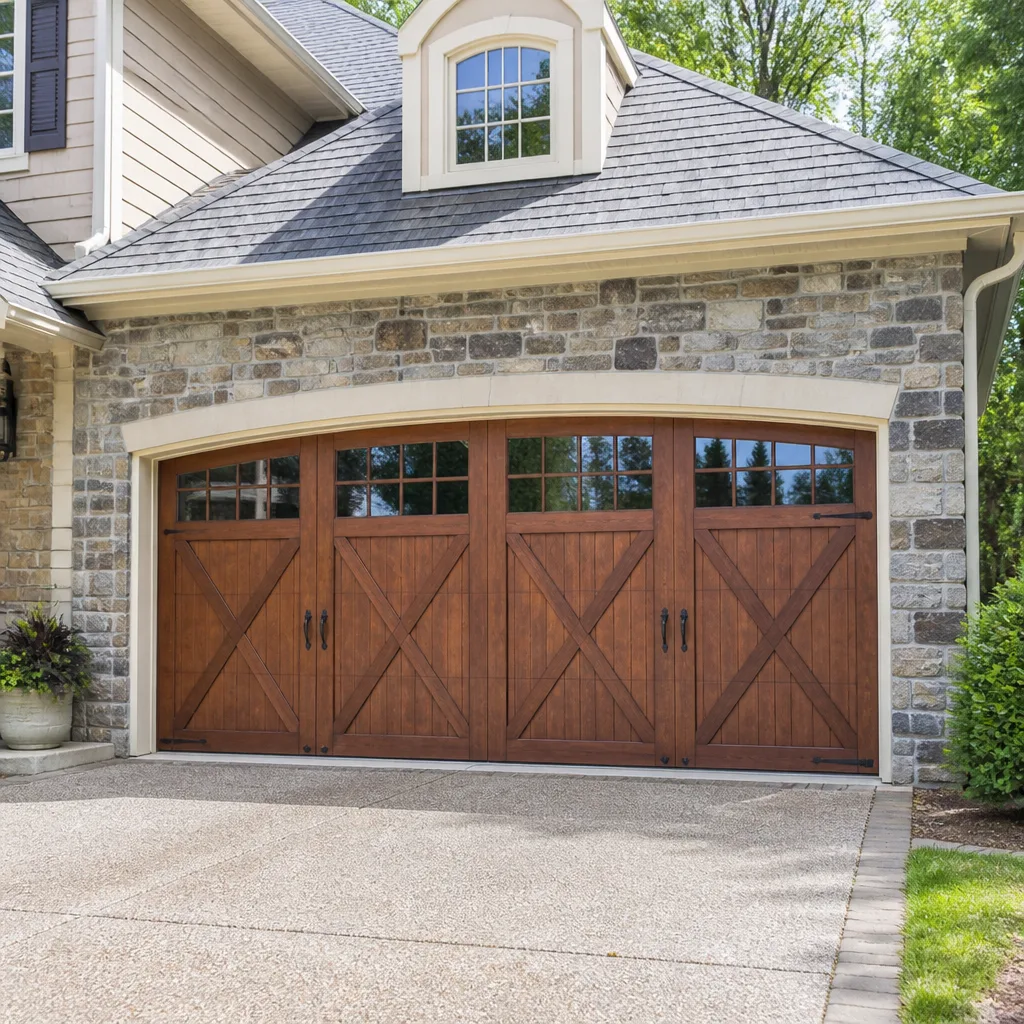 Carriage house
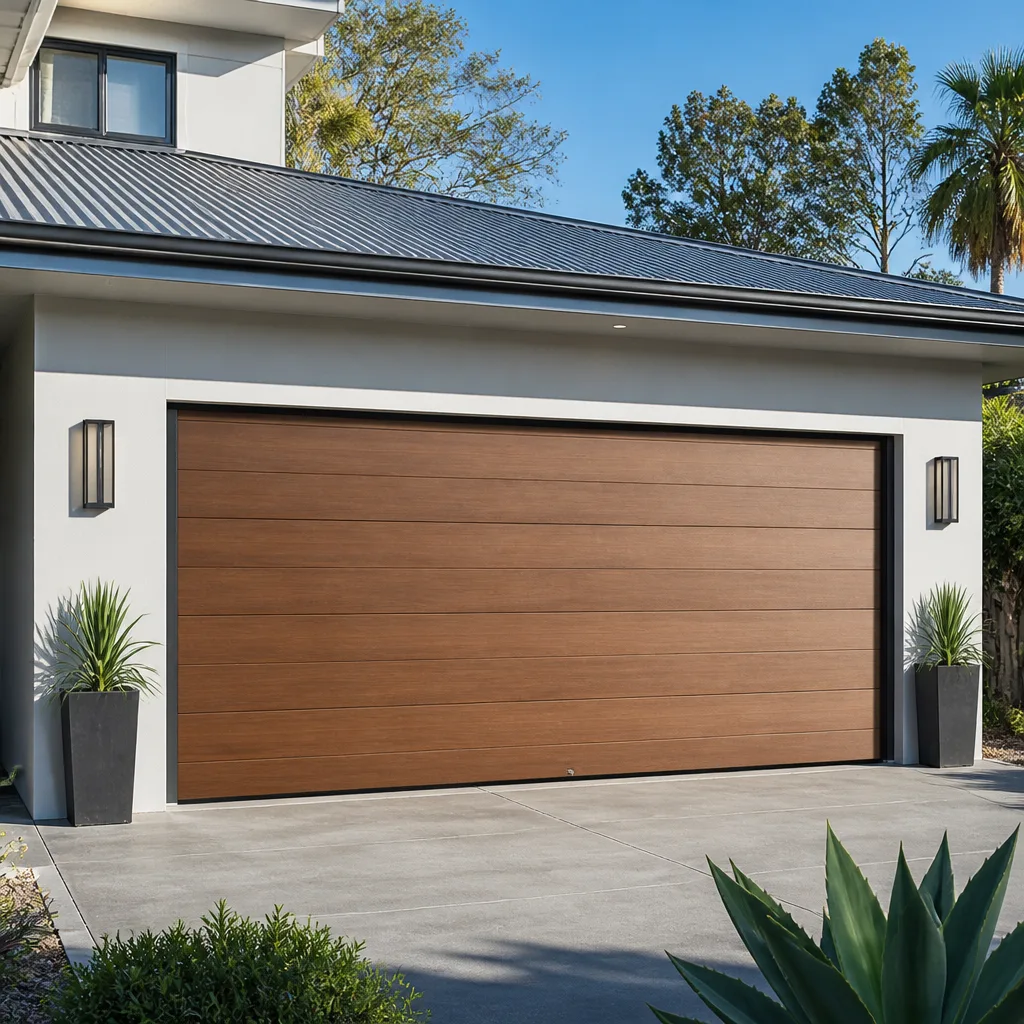 Modern flush
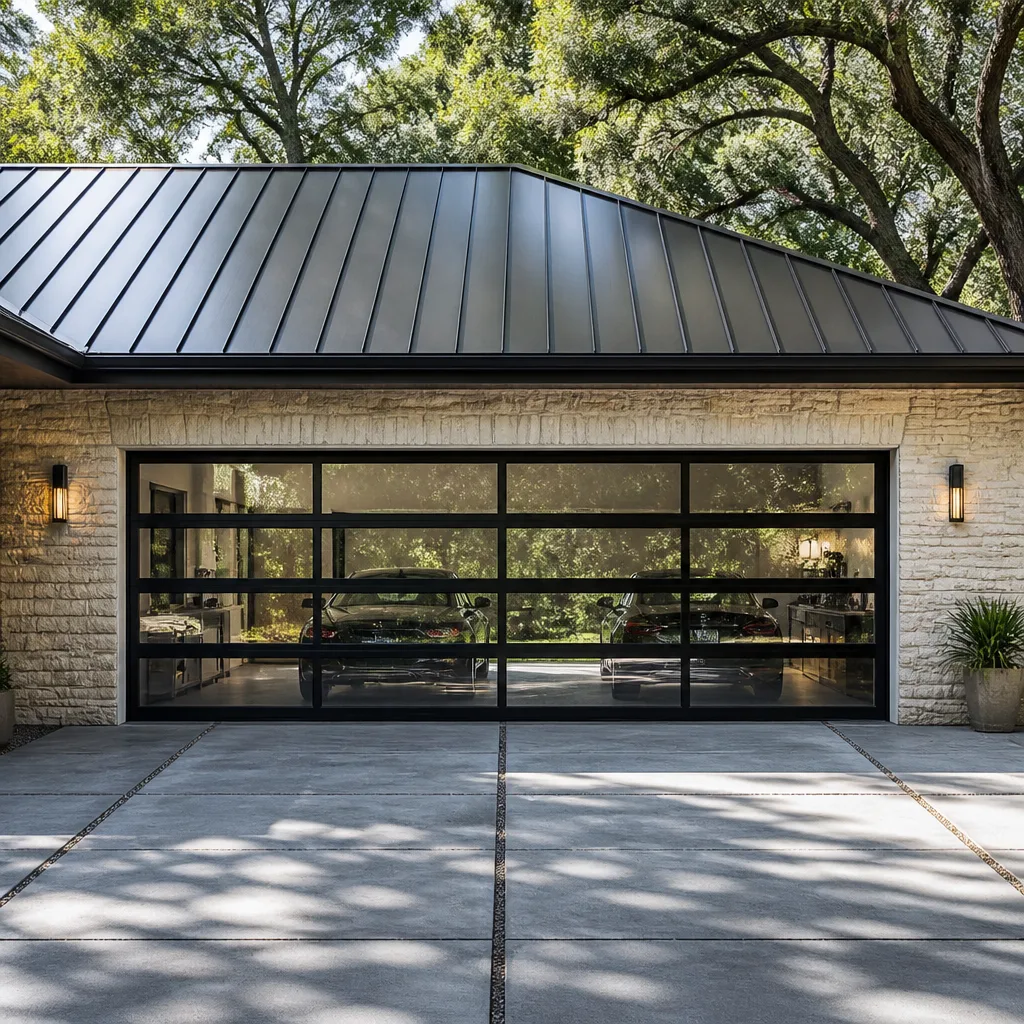 Full-view glass
 LiftMaster openers
 Chamberlain openers
Full 25-point door and opener safety check with every visit - springs, cables, rollers, tracks, and your LiftMaster or Chamberlain opener included
You get a price before we start. It does not change when the pro arrives.
Get your free estimateGarage Door Permits, Codes & Inspections in Arlington Heights, IL: What You Need to Know
Most homeowners assume a garage door lives outside the permit process. It’s an exterior door on a private structure, not a room addition or a new electrical panel. That assumption is only partly true. A spring repair or an opener swap usually skips the permit line entirely. A full door replacement often doesn’t. In Arlington Heights, replacing a garage door can pull in the Village’s building department, and an installation done without the paperwork can sit quietly in a property’s history until a title search years later brings it to the surface. This guide walks through when permits actually apply, what an inspector looks at, who should pull the permit, and what to do if you inherit a door someone else installed off the books.
Quick Answer
A garage door replacement in Arlington Heights typically requires a building permit from the Village, while a spring repair or an opener swap generally does not. The permit covers structural attachment, code-compliant safety features, and energy compliance for replacement doors under Illinois residential code. Whether you pull the permit yourself or have the installing contractor pull it, the paper trail matters at sale, at inspection, and when your insurer asks about the work.
Styles & brands we work with
- Raised-panel steel
- Carriage house
- Modern flush
- Full-view glass
- LiftMaster openers
- Chamberlain openers
Table of Contents
- When Does a Garage Door Project Need a Permit in Arlington Heights?
- What Happens If You Skip the Permit?
- What the Village of Arlington Heights Building Department Actually Inspects
- Pulling the Permit Yourself vs. Having Your Contractor Pull It
- Energy Code and Replacement Doors Under Illinois Residential Code
- What to Do If a Previous Owner Left Unpermitted Work
- How to Get Your Installation Inspection-Ready
When Does a Garage Door Project Need a Permit in Arlington Heights?
The line between “permit required” and “no permit needed” comes down to what’s being changed. Cosmetic work, like a new paint color or a repair to a dented panel, stays off the permit list. Replacing the whole door on the existing frame is where the Village’s building department usually gets involved. This is the part that surprises people most: a door replacement can be a fairly simple one-day job and still need a permit, while more technical work like spring replacement usually doesn’t.
Here’s how the three common project types generally break down:
- Full garage door replacement: Usually requires a building permit. The Village wants to see the new door meets wind-load, structural, and energy requirements, and that the installation was done by someone accountable to the permit.
- Opener replacement or opener repair: Usually no permit required. Replacing the motor, safety sensors, or remote is treated as a maintenance swap in most cases.
- Spring repair or spring replacement: Usually no permit required. Springs are a mechanical component inside the existing system, not a structural change.
- Panel replacement on an existing door: Situational. If you’re matching the original door model and the frame stays put, most permit offices don’t require paperwork. Swapping to a different door style or a different manufacturer often flips it back to permit territory because the door’s specs are changing.
One wrinkle: an existing garage with a damaged frame or header often gets folded into the door-replacement permit as a structural repair. If you’re dealing with a door that’s off track or has warped the opening, the installation permit may trigger code review of the framing. That’s not a reason to delay repairs, but it is a reason to know which category your project falls into before a crew shows up. In our experience, the homeowners who get caught off guard in Arlington Heights are the ones who assumed “just swapping the door” was automatically self-exempt.
If you’re not sure which bucket your project belongs in, the fastest answer comes from the Village’s building department directly. Ask whether a door replacement permit is required for a like-for-like swap or a change in door model. The answer changes the paperwork, and it changes who should be on the job. For a repair that doesn’t trigger a permit, garage door repair usually handles the issue without any Village involvement.
What Happens If You Skip the Permit?
An unpermitted garage door replacement doesn’t typically blow up at the moment of installation. It stays quiet for years, which is exactly what makes it a problem. The two places it surfaces: a buyer’s title search during a home sale, and an insurance claim that inspects the door’s installation history. Neither is a fine-in-the-mail situation. Both are closer to a stuck deal or a denied claim, and both cost more to fix than the permit fee would have cost up front.
At sale time, a title search pulls a property’s permit history. If the garage door installed six years ago has no record on file, the buyer’s inspector or their lender flags it as an open item. In a slow market you may get a repair allowance negotiated. In a competitive market, if the seller has to choose between fixing it now or losing the buyer, they fix it now. The work that follows is not just the permit. It’s often an inspection of the existing installation, documentation that the door meets current specs, and occasionally a correction if the door no longer meets the code that’s in force.
Insurance is the other exposure. A garage door that fails and damages property or injures someone inside the garage triggers a claims review. If the door was replaced without a permit and without documentation showing it met the safety requirements in effect at the time, coverage questions get complicated. We’re not writing that a claim will be denied; that’s an insurer’s call. But we are saying the paperwork decision you make today shapes what an adjuster can work with later.
The Village itself can also weigh in during a routine inspection or a complaint. An unpermitted installation exposed during an unrelated permit review can trigger corrective action. The simplest path is to treat the permit as part of the job, not an optional add-on. It costs far less to pull one at the start than to chase paperwork on a door that’s already five years old.
What the Village of Arlington Heights Building Department Actually Inspects
When the Village reviews a garage door installation, the inspector isn’t testing how nice the door looks. The review follows a specific checklist: does the new door meet structural and safety requirements, was the installation done to the specs on the permit, and does it comply with energy code for a door that separates conditioned from unconditioned space. Most of the inspection is a documentation check. The site visit verifies what the paperwork claims.
Expect the inspector to look at the following in roughly this order:
- Permit and approved plans on site. The door manufacturer and model need to match what was applied for. Substituting a different door mid-project is the fastest way to a failed inspection.
- Header and track attachment. The mounting is checked for attachment to the framing, hardware condition, and whether any modifications were made outside the approved scope.
- Safety features. Automatic reverse and photo-eye sensors on power openers are checked for function. On manually operated doors, the spring and cable system is reviewed for correct installation and hardware type.
- Energy compliance on replacement doors. The door’s energy performance has to align with the Illinois residential code that’s in force. The permit review usually catches this before the install; the field check confirms the door on site matches what was submitted.
- Clearance and egress. The path in and out of the garage and the door’s ability to open without obstruction is verified where the code requires it.
What doesn’t get a formal inspection: the opener itself, as long as it’s a like-for-like swap on a compatible door; the spring replacement, when it’s done as a standalone repair; and the interior door into the home. Those stay outside the door-replacement permit scope, which is why so many spring and opener calls don’t touch the Village at all. If your opener is failing, garage door opener repair usually resolves the problem without inspections, since the opener is treated as equipment rather than structure.
One thing that trips up homeowners in Arlington Heights: the inspection is scheduled by whoever pulled the permit. If your contractor pulled it, the contractor schedules the visit and is responsible for correcting anything the inspector flags. That alone is a strong argument for having the installer pull the permit, which we’ll cover in the next section.
Pulling the Permit Yourself vs. Having Your Contractor Pull It
You can pull a garage door replacement permit yourself as a homeowner in Arlington Heights. You can also have the installing contractor pull it. The permit itself is often cheaper when you pull it yourself, because you’re not paying the contractor’s permit-handling fee or the markup on any related submittals. The trade-off is you own the process from application through final inspection, which means you’re the one scheduling the inspection and the one who is on the hook if it fails.
When you pull the permit yourself, the work looks like this:
- Submit the permit application to the Village with the door model, manufacturer, and installation specs. The Village reviews the submittal against current code.
- Receive the approved permit and the inspection requirements. Some projects require a rough-in inspection before final signoff; door replacements typically don’t, but the permit paperwork confirms.
- Schedule the final inspection after installation. The inspector visits, compares the installed door to the approved specs, and signs off.
- Close out the permit. This is what creates the paper trail at resale – it’s the record title searchers find.
When your contractor pulls the permit, the same steps happen, but the contractor is the accountable party. The contractor schedules the inspection, handles corrections if anything comes up, and closes the permit. The paper trail is identical; the difference is who carries the schedule risk. If an inspection finds a discrepancy – the door on site doesn’t match the plan, a safety sensor isn’t functioning, the header attachment was modified – the contractor is on the hook to fix it, not you.
Our recommendation, in Arlington Heights, is to require the installing contractor to pull the permit and put it in writing that the permit and final inspection are included in the quote. The cost difference is small; the protection is worth the difference. If a contractor tells you a door replacement doesn’t need a permit, ask them to show you where that’s written in the Village’s code. “We always do it this way” is not the same answer as a code citation. For like-for-like spring work that doesn’t trigger a permit, garage door spring repair is a licensed-mechanical job that doesn’t need Village paperwork, but the same question – “is this actually a permit project?” – should still get a clear answer before anyone starts.
Energy Code and Replacement Doors Under Illinois Residential Code
Replacement garage doors in Arlington Heights are subject to Illinois residential code amendments, which include energy performance requirements for the door as a system. The garage is treated as a semi-conditioned or unconditioned space in most homes, and the door is often the largest single exterior surface on the home. When you pull a permit for a replacement, the door’s energy performance is part of what the Village reviews. This is not a new requirement – it’s been part of Illinois residential code for some time – but it’s the piece homeowners most often miss when they compare door options on price alone.
What this means in practice:
- The door needs a documented energy rating. Insulated doors from manufacturers like Clopay and Amarr publish energy performance data with the model specs. Your installer should be able to hand you the door’s performance documentation as part of the permit submittal.
- Insulated vs. non-insulated is a real decision. A basic non-insulated door may be cheaper up front, but if the garage shares a wall with living space – which is common in the older Arlington Heights street grids where garages sit under or beside the house – the energy code review may push toward an insulated door. Ask before the door is ordered.
- Window and panel options affect the door’s rating. Doors with large glazed sections have a different energy profile than solid panel doors. The permit review accounts for the specific configuration you’re installing, not a generic model number.
- Door model changes mid-project require a permit amendment. If you start the permit with one door and switch to another, the amendment has to happen before the door goes up. The final inspection compares the installed door to the approved door.
The energy code conversation usually comes up at the permit application stage, which is why we recommend choosing the door before you apply, not after. If you’re comparing Clopay, Amarr, and Wayne Dalton models, ask your installer for the energy documentation on each before you commit. That’s the door the permit will be written for, and the inspection will confirm. For the complete installation side of this – from measure through final inspection – Arlington Heights Garage Door Repair Pros works the whole scope as one job.
What to Do If a Previous Owner Left Unpermitted Work
You bought a home, and later found out the garage door has no permit on record. It happens more than homeowners realize, especially on homes that changed hands during a period when the previous owner did their own work or hired a contractor who skipped the paperwork. The good news is the correction path is straightforward, though it may involve an inspection and, depending on the age and condition of the installation, a code compliance review of the current door.
Here’s how to handle it:
- Confirm the status. Pull the permit history for your address through the Village of Arlington Heights building department. If there’s no permit on file for the door, you’re dealing with an unpermitted installation. If a permit exists but wasn’t closed out, that’s a simpler issue – a final inspection can usually close it.
- Get the door inspected. A licensed garage door technician can look at the installation and tell you whether the door and the mounting meet current code. This is documentation for your own file, not a Village inspection, but it tells you whether the door is code-compliant or needs corrections.
- Apply for a permit with a compliance review. The Village can often process an unpermitted installation through a permit application that reviews the existing installation against current code. The application is classified differently than a new installation, but the goal is the same: get the door on record.
- Correct anything the review flags. A door that’s no longer compliant with current safety or energy requirements may need to be upgraded or replaced. Where the correction is substantial, the honest answer is usually a full replacement rather than a patch.
- Close the permit and keep the documentation. The final inspection is what puts the door on your property’s permanent record. Keep the permit close-out in your home file so it’s ready for a future sale.
If the previous owner installed a door that’s now aged, the correction often coincides with a door that needs replacement anyway. That’s the moment to replace, pull the permit for the new door, and close the whole thing out. A garage door spring repair call on an older unpermitted door can also be the moment to look at the wider installation – if the springs are failing, the door’s condition is often the next thing to review.
How to Get Your Installation Inspection-Ready
Most failed garage door inspections aren’t a disaster. They’re a mismatch between what was approved and what was installed, or a small correction the inspector wants to see before final signoff. Both are fixable. The trick is to know what the inspector is likely to check and have it right before the visit, not after.
Before your installation’s final inspection, walk through this:
- Match the door to the permit. The manufacturer, model, and finished color on the door should match the permit submittal. If the installer substituted a different door, get a permit amendment on file first.
- Confirm the safety reverse is working. On a power opener, the door should reverse on obstruction, and the photo-eye sensors should be aligned and functioning. The inspector will test these.
- Check the track, brackets, and header attachment. The mounting should be firm, hardware should be the type specified, and any field modifications to the framing should be documented in the permit file.
- Have the energy documentation ready. Manufacturer spec sheets and the door’s performance data should be in the file or on site so the inspector can verify them against the permit.
- Schedule the inspection promptly after installation. Don’t let the project sit open. The longer the permit stays open, the more opportunities there are for a bigger review than the original scope.
The homeowner’s job at this stage is mostly to make sure the paperwork matches the work. The technician’s job is to install the door to spec. When both happen, final inspection is usually quick. When either doesn’t, it’s the permitting paper trail that tells the story.
Common Mistakes to Avoid
- Assuming all garage door work is exempt. Spring and opener repairs usually don’t trigger a permit in Arlington Heights; full replacements often do. Getting the categories right is the whole game.
- Having a contractor install a door without pulling the permit first. If a contractor says a full replacement doesn’t need a permit, ask for the code citation. “We always do it this way” isn’t a code answer.
- Choosing the door after the permit is filed. The permit is written for a specific door model. Switching to a different brand or model mid-project requires a permit amendment before the door goes up, not after.
- Leaving the permit open after install. An unclosed permit sits in the property record and can flag during a future title search. Schedule the final inspection and close it out.
- Buying a home without checking the garage door’s permit history. A title search will show it eventually. Checking earlier saves a correction later.
- Ignoring a replacement door’s energy performance. Illinois residential code requirements apply to replacement doors. Insulated doors from manufacturers like Clopay, Amarr, and Wayne Dalton publish their performance data – use it in the permit submittal.
- Trying to patch an unpermitted installation instead of reviewing the whole thing. If the current door is non-compliant, correcting the installation and replacing the door are often the same job.
See the difference
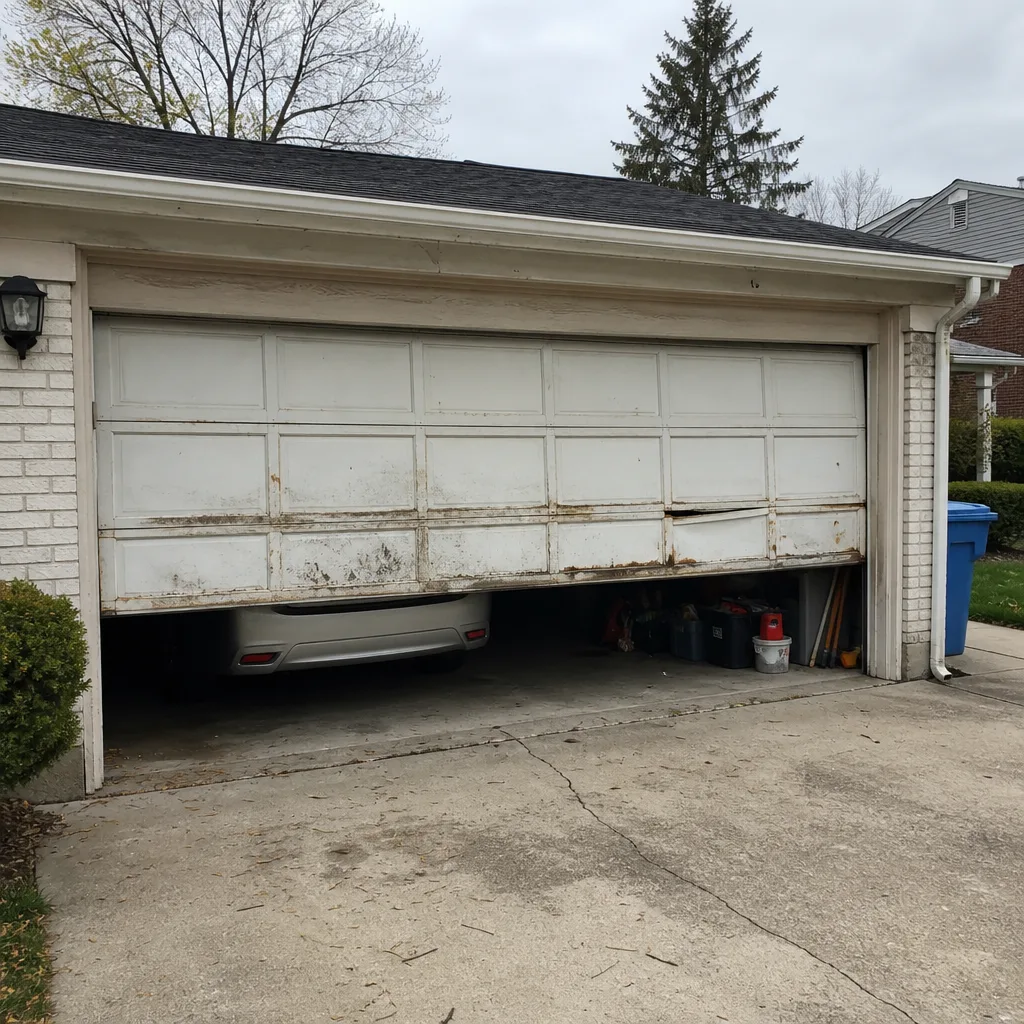 Before
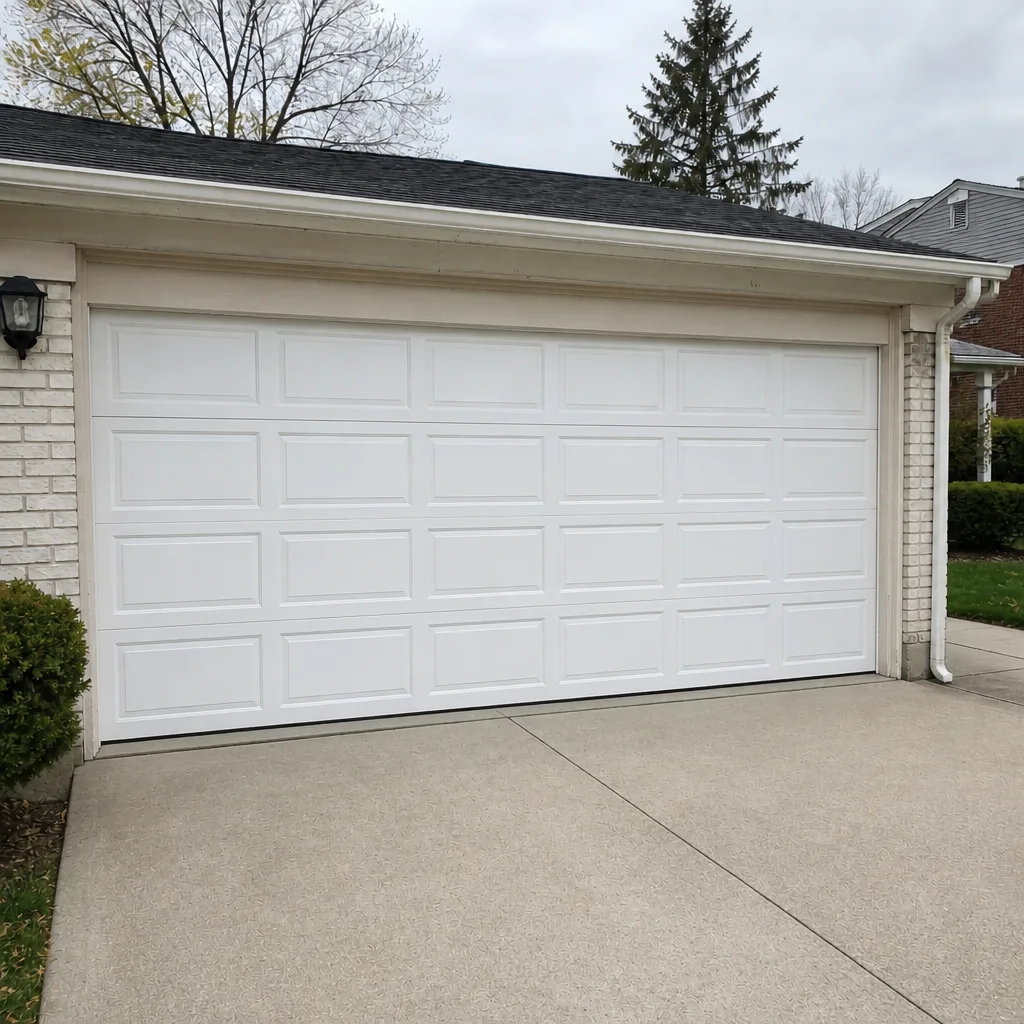 After
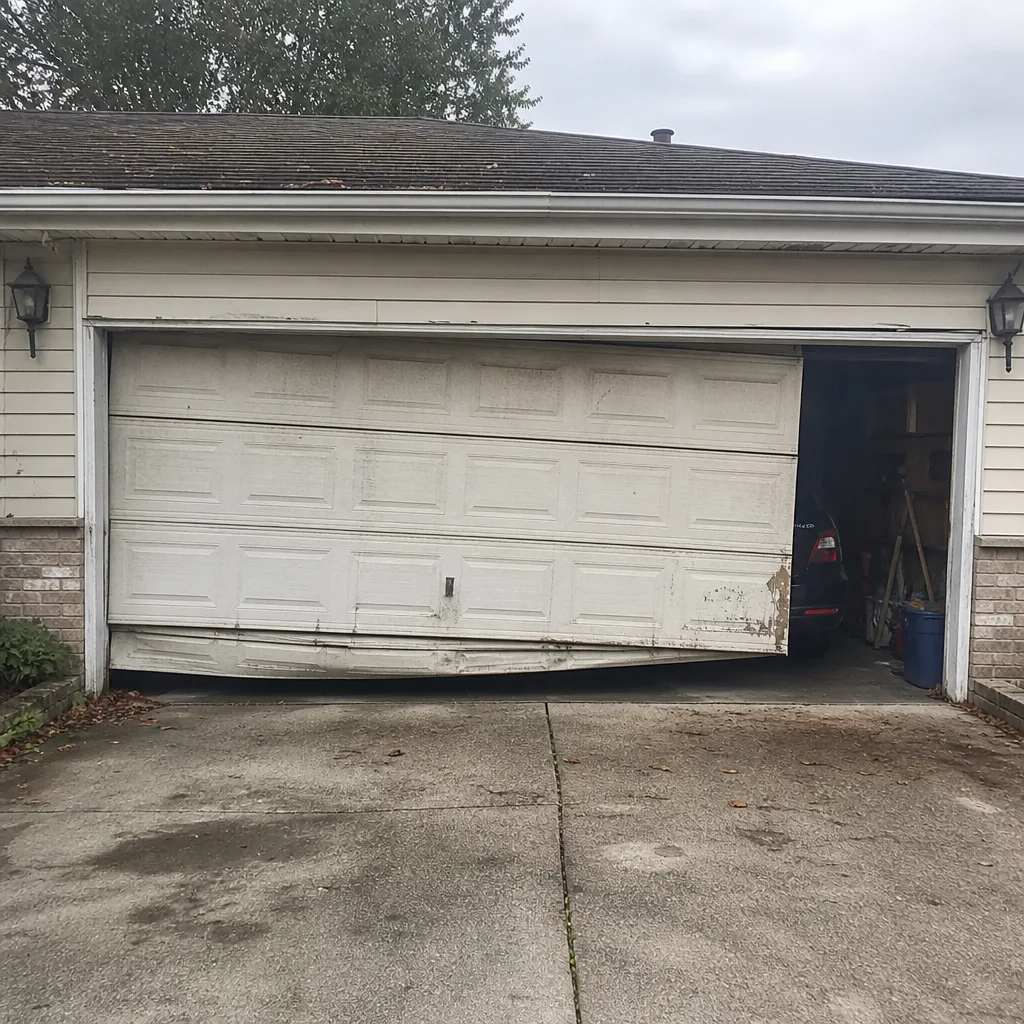 Before
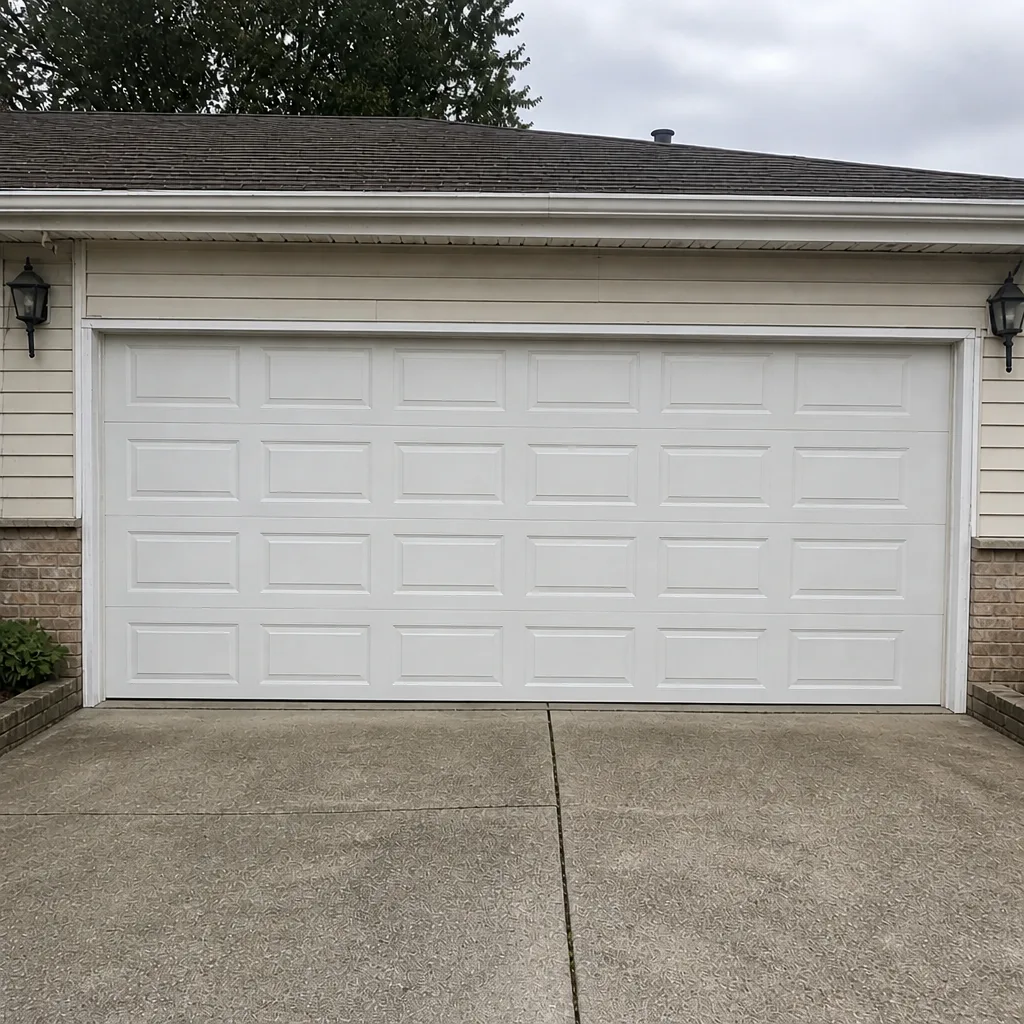 After
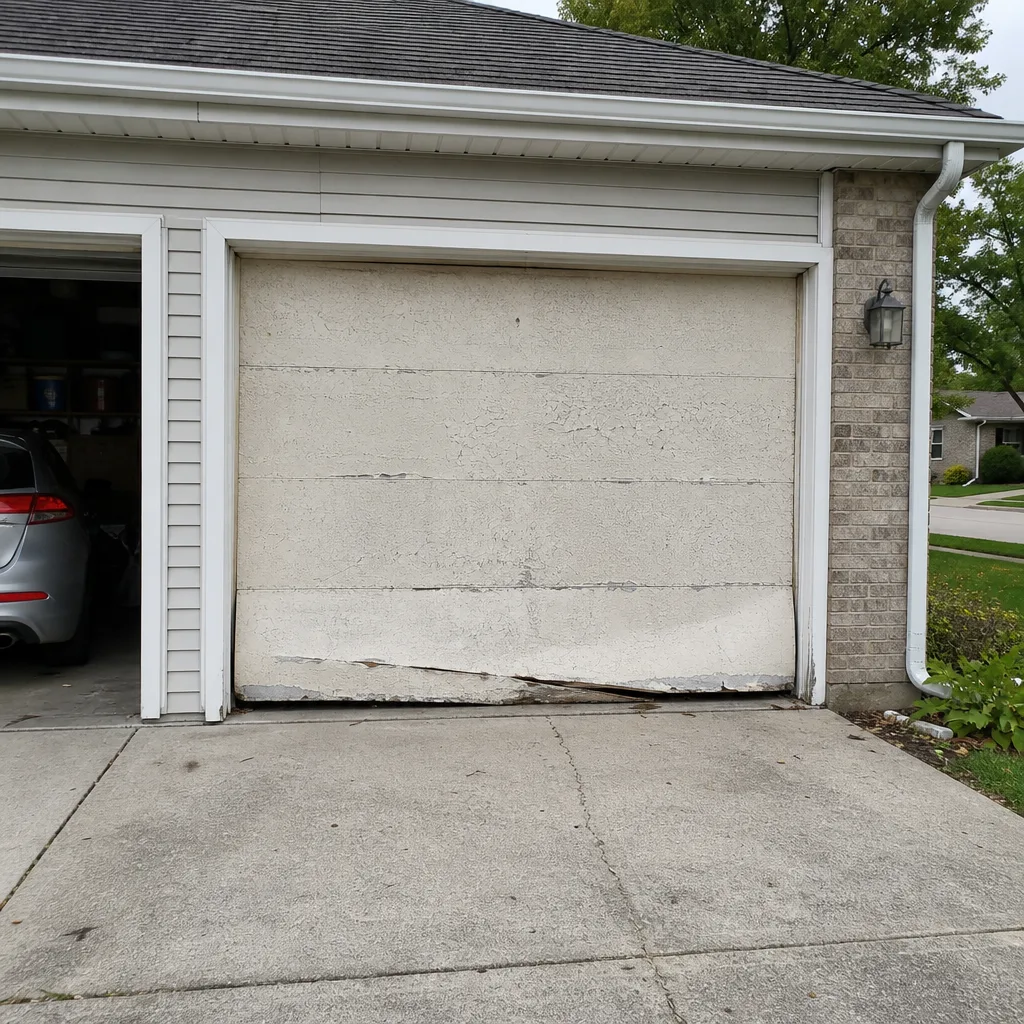 Before
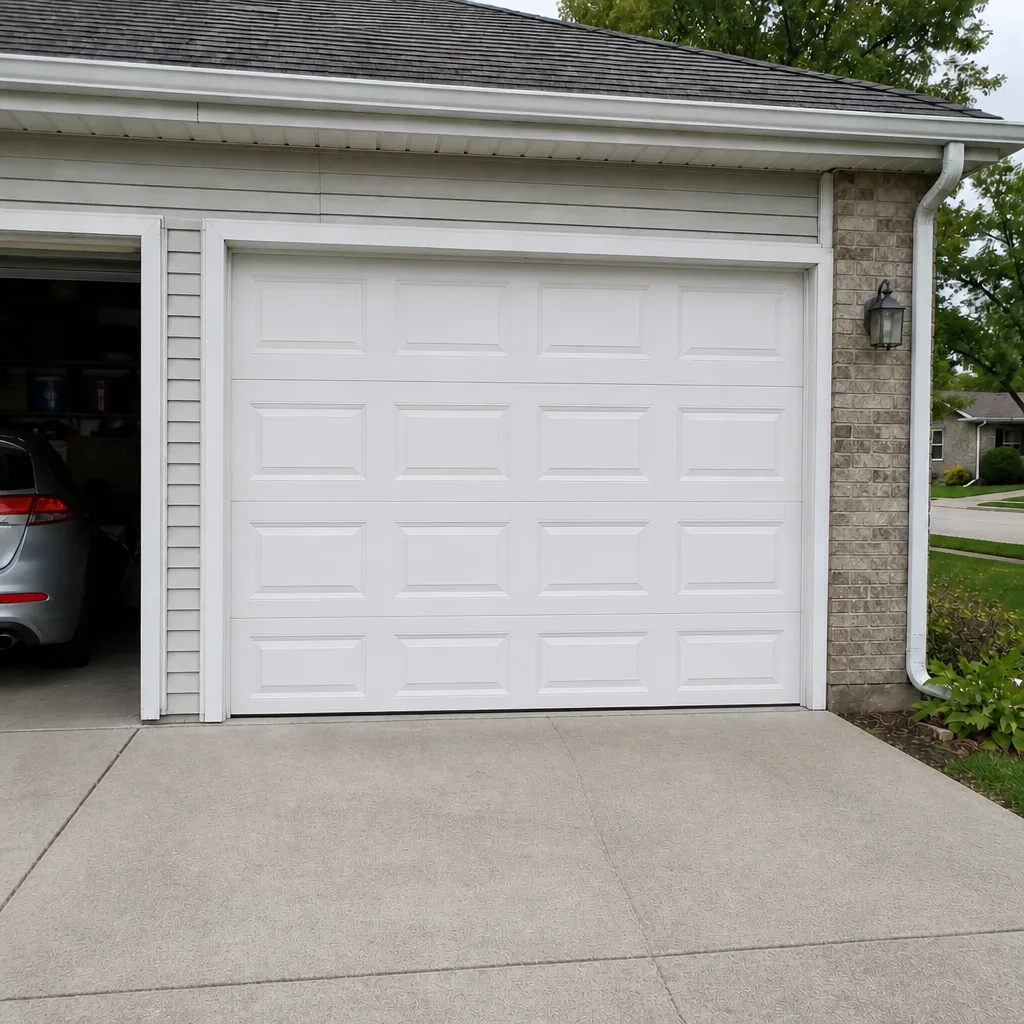 After
When to Call a Professional
The permit work and the installation work are the same job, and both are better done by a garage door specialist than a general contractor or a big-box installer. Here’s when to call a professional:
- You’re replacing a full garage door and need the permit, the energy documentation, and the installation on a single accountable timeline.
- A previous owner left an unpermitted installation and you need a code-compliance review plus a correction estimate.
- Your door has failed inspection and needs the correction documented and completed.
- A spring has broken and you need to know whether the surrounding installation is compliant before you sink money into a repair.
- Your opener has failed and you want to understand whether the replacement door it operates needs a permit update – especially if you’ve switched from a legacy Craftsman opener to a LiftMaster or Chamberlain system.
Arlington Heights Garage Door Repair Pros offers free estimates in Arlington Heights – call (877) 460-4338. Our technicians have up to 9 years of experience, and we’re familiar with the leading brands the permit process touches, including Clopay, Amarr, Wayne Dalton, Genie, LiftMaster, Chamberlain, Craftsman, and Raynor. Estimates are free, the written quote is the price you agree to, and the permit question gets answered before anyone starts work.
Frequently Asked Questions
Most full garage door replacements in Arlington Heights require a building permit from the Village. A spring repair or an opener swap usually does not. The distinguishing factor is whether the door itself is being changed – a like-for-like replacement vs. a change in the door model or spec also matters. Call the Village building department to confirm the classification for your specific project, and call (877) 460-4338 for a free installation estimate.
A spring replacement usually does not require a permit in Arlington Heights. Springs are a mechanical component inside the existing door system, and a like-for-like spring swap doesn’t change the door’s structural specs or energy performance. High-tension springs are also one of the most dangerous parts of the system to handle yourself – we recommend leaving the work to a trained technician. For spring work, our garage door spring repair service handles the job without Village paperwork. Call (877) 460-4338 for a free estimate.
Have the installing contractor pull the permit. The permit itself is often slightly cheaper when you pull it yourself, but the contractor carries the schedule risk, handles the final inspection, and makes corrections if the inspector flags anything. The paper trail is identical either way. In Arlington Heights, the contractor-pulled permit is the safer arrangement. Call (877) 460-4338 to get a written quote that includes the permit and final inspection.
An unpermitted garage door can flag during a buyer’s title search and delay or complicate the sale. The buyer’s inspector or lender will often require the installation to be brought into compliance before closing, which means pulling a permit and, depending on the door’s condition, either correcting the installation or replacing the door. Getting the permit at installation time is far cheaper than correcting it at sale. Call (877) 460-4338 for a free review if you’ve inherited a door with no permit on record.
Replacement garage doors in Arlington Heights are subject to Illinois residential code amendments, which include energy performance requirements. The door’s energy rating is part of the permit submittal, and the final inspection verifies the installed door matches the approved specs. Insulated doors from Clopay, Amarr, and Wayne Dalton publish performance data that can be used for the permit. Choosing the door before you apply keeps the process simple. Call (877) 460-4338 for a free replacement estimate.
Yes. A garage door specialist can handle the full scope – measuring, ordering the door, pulling the permit, installing, and closing out the final inspection – as a single accountable job. That’s the arrangement we recommend in Arlington Heights, because it puts the permit risk on the installer rather than the homeowner. Estimates are free. Call (877) 460-4338.
The Bottom Line
Garage door permitting in Arlington Heights is not complicated – it’s just easy to skip if you don’t know the categories. Full door replacements generally need a permit; spring and opener repairs usually don’t. The permit itself costs a fraction of what a correction at resale costs, and having your installing contractor pull it puts the accountable party on the paperwork. Illinois residential code adds an energy compliance step for replacement doors, which is why choosing the door before you apply matters. And if you’ve inherited an unpermitted installation, the correction path is straightforward – inspection, permit, and either a code-compliance adjustment or a full replacement. The paperwork decision you make now is the one the title search will find later. Call Arlington Heights Garage Door Repair Pros at (877) 460-4338 for a free estimate, and we’ll tell you exactly which category your project falls into before anything starts.
Written by the team at Arlington Heights Garage Door Repair Pros.