Last updated November 22, 2026
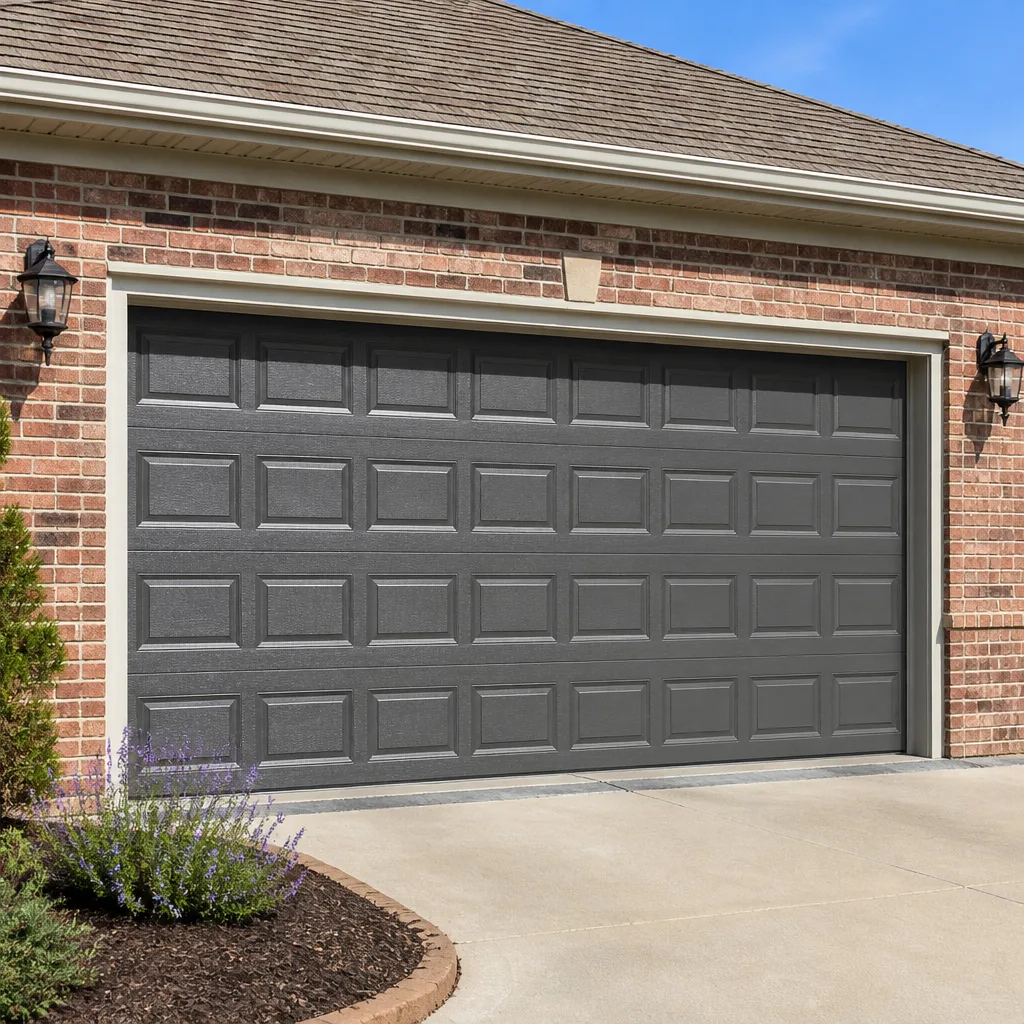 Raised-panel steel
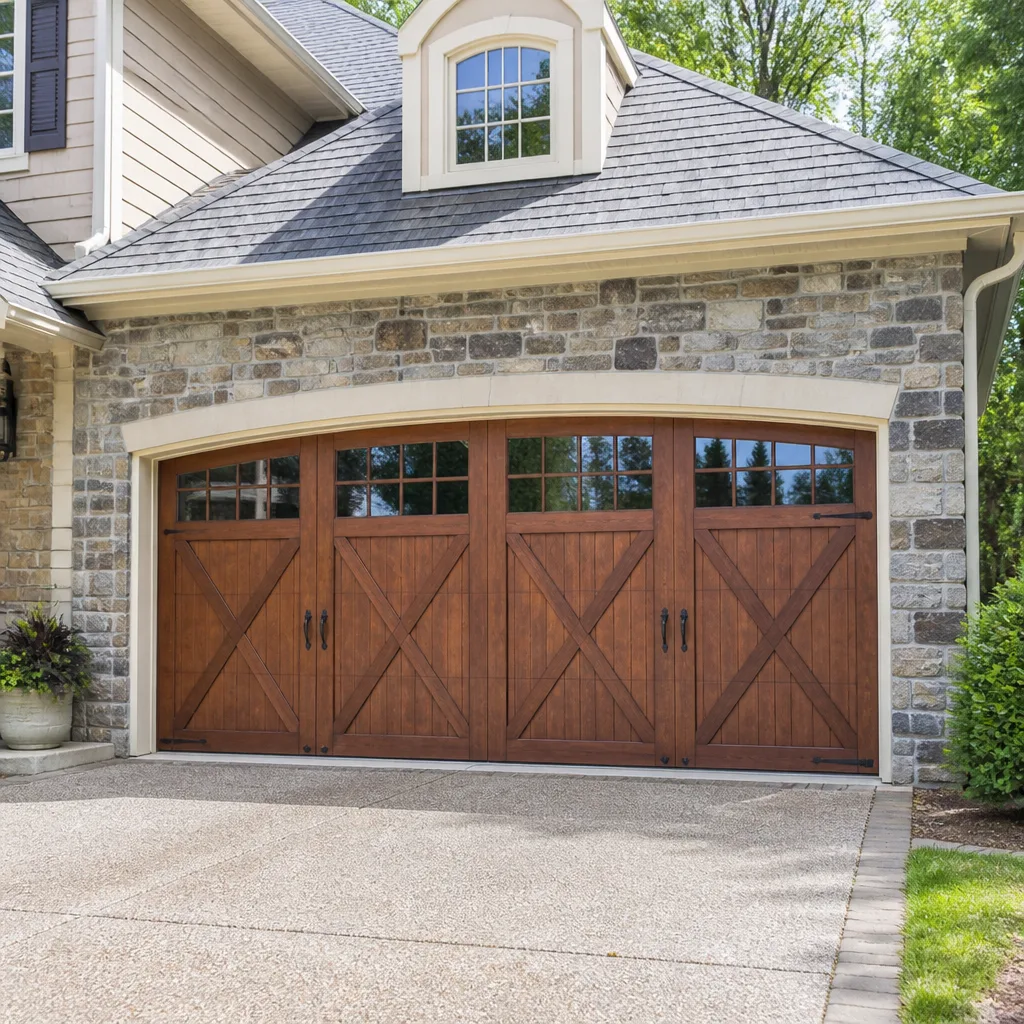 Carriage house
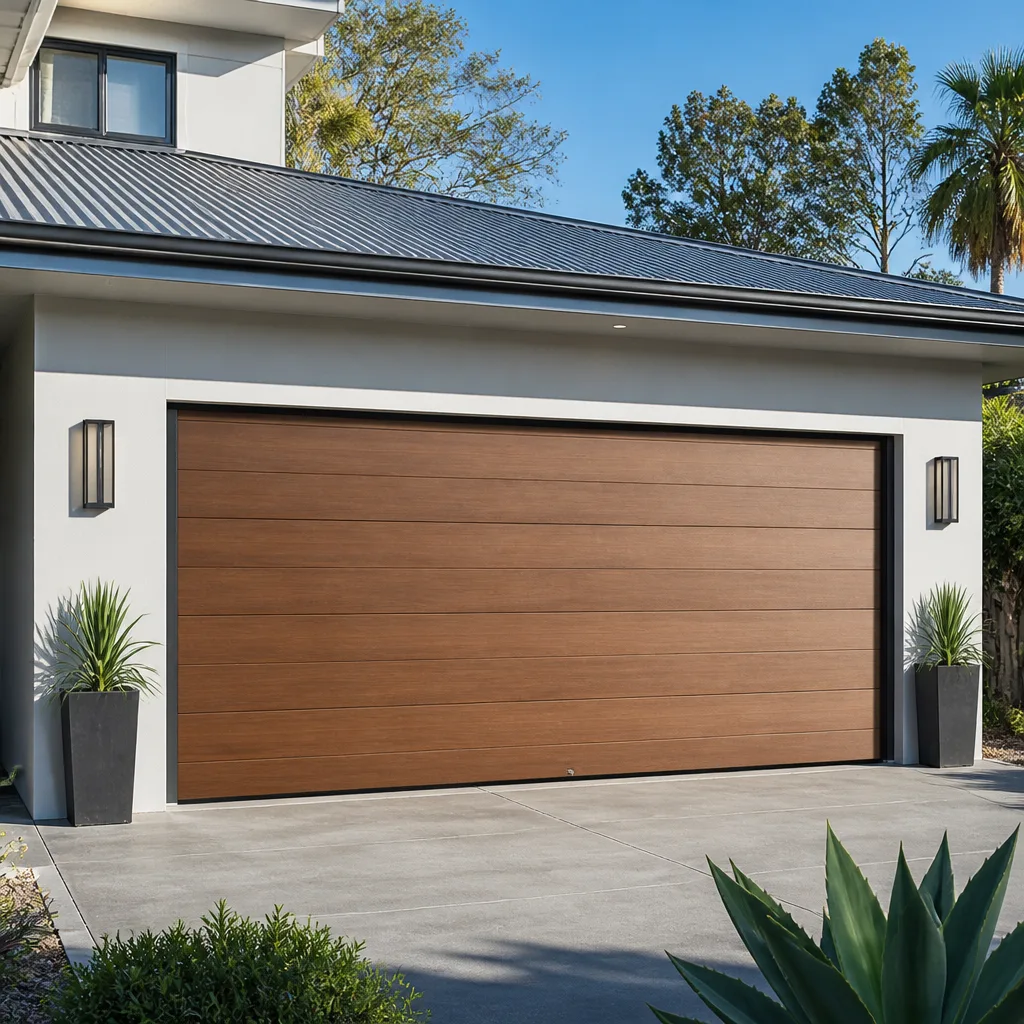 Modern flush
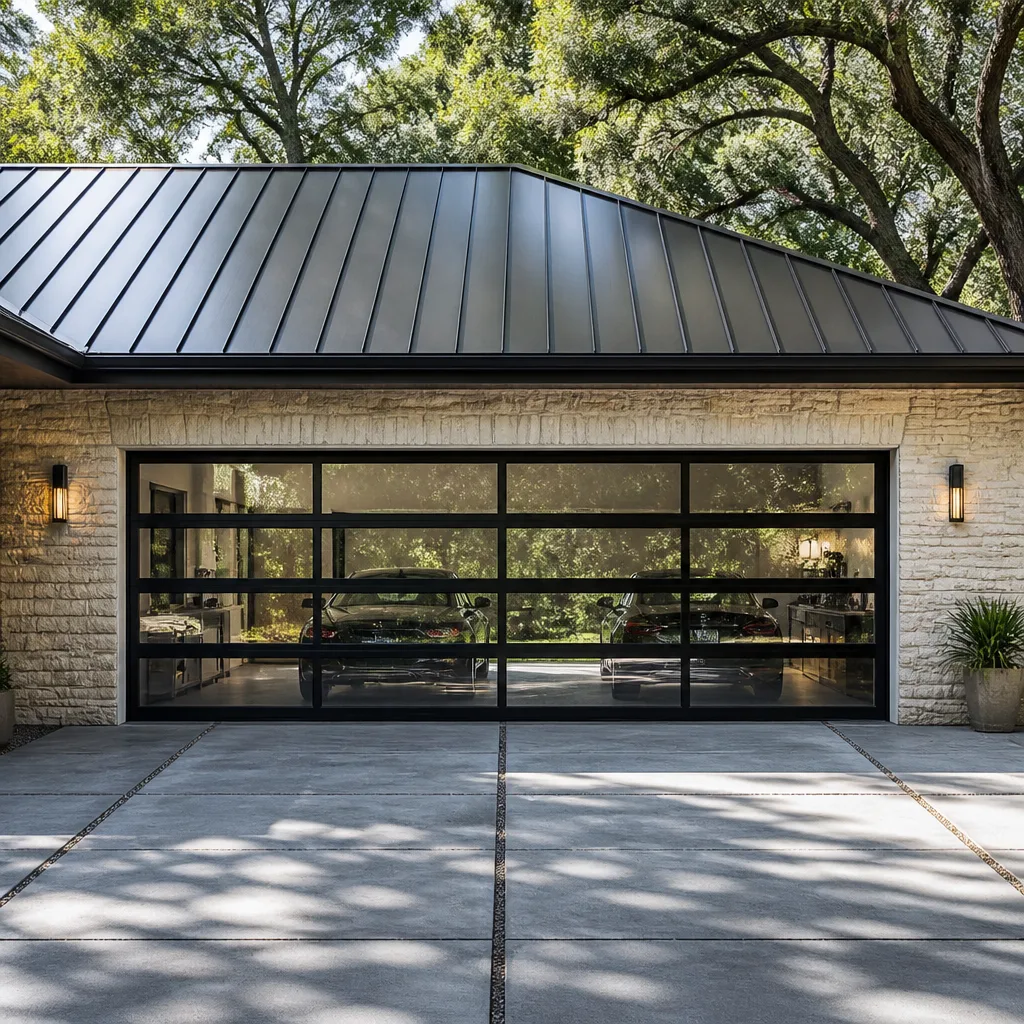 Full-view glass
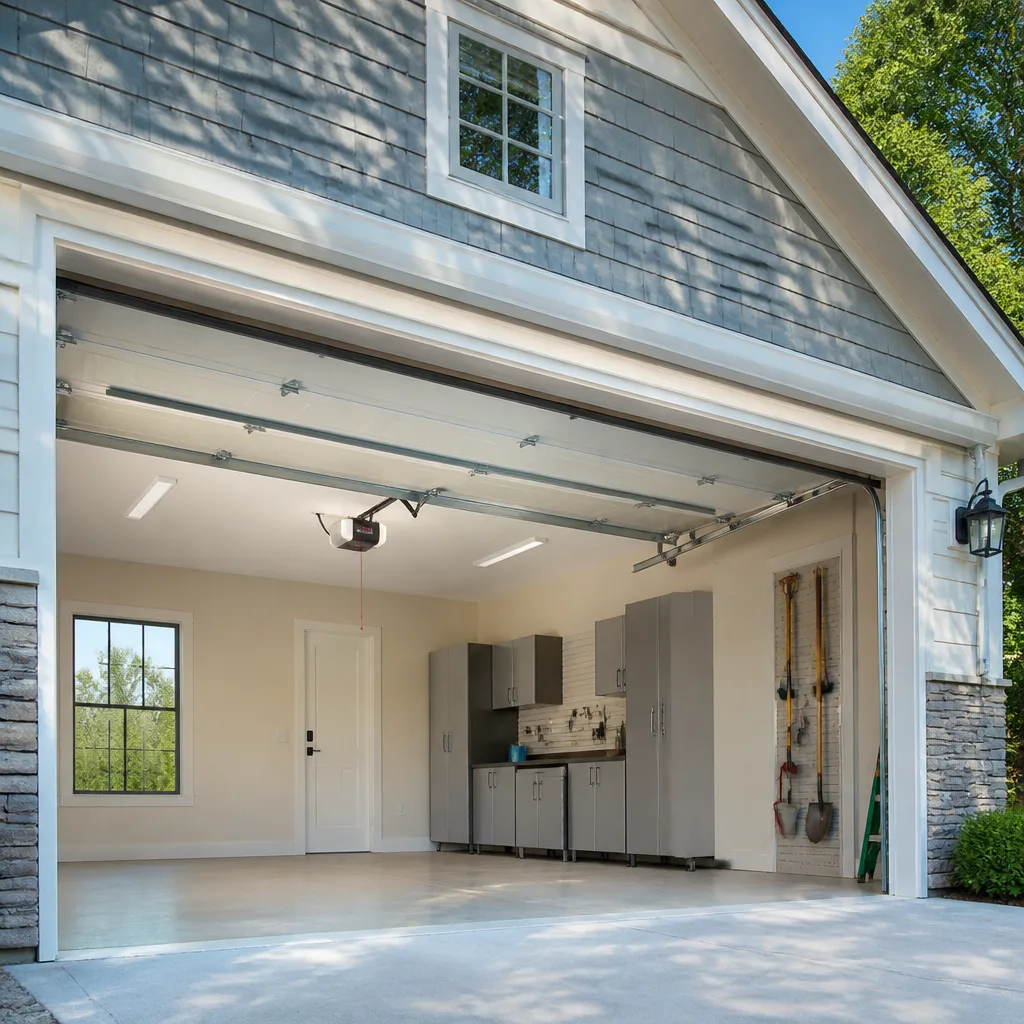 LiftMaster openers
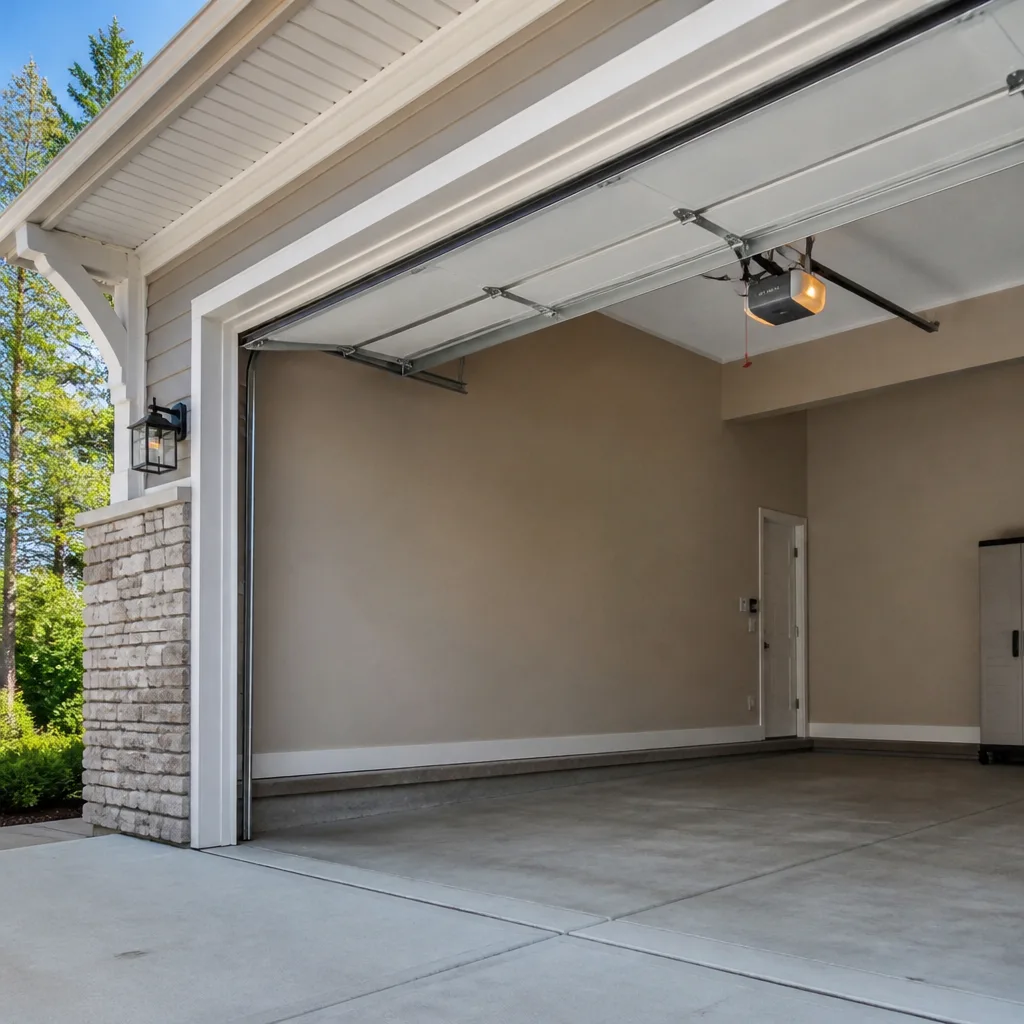 Chamberlain openers
Full 25-point door and opener safety check with every visit - springs, cables, rollers, tracks, and your LiftMaster or Chamberlain opener included
You get a price before we start. It does not change when the pro arrives.
Get your free estimateGarage Door Emergency Preparedness Guide for Arlington Heights Homes
Most garage door “emergencies” aren’t actually sudden. They’re a slow chain of small mistakes that a homeowner makes in the first ten minutes after something goes wrong. The frozen spring that snaps, the door that free-falls off its tracks, the opener that grinds itself to death – these outcomes are usually the result of what happens after the initial failure, not the failure itself. That first-ten-minutes window is what this guide is about. We’ve spent years responding to garage door emergencies around Arlington Heights, and the pattern is remarkably consistent. Read this once, save it somewhere you can find it, and you’ll know exactly what to do when your door fails at 6 AM on a Tuesday in January.
Styles & brands we work with
- Raised-panel steel
- Carriage house
- Modern flush
- Full-view glass
- LiftMaster openers
- Chamberlain openers
Quick Answer
A garage door emergency in Arlington Heights is any failure that leaves the door stuck open (a security risk), stuck closed (a vehicle trapped, sometimes a person trapped), or unstable in its tracks (a falling hazard). The correct first response depends on which one you have: if the door is stuck open, secure the space and don’t force the door; if it’s stuck closed, disengage the opener manually before trying anything; if the door is unstable, stay clear and call a technician immediately. For true emergencies – a door off its tracks, a vehicle impact, a snapped spring with the door halfway up – call (877) 460-4338 and we’ll get a technician out to assess. Non-emergencies can safely wait until business hours.
Table of Contents
- Why Winter Is the Emergency Season in Arlington Heights
- How to Use the Emergency Release Cord Safely (and When Not To)
- Power Outage Protocol: Disengaging the Opener Without Voiding It
- What to Do Immediately After a Vehicle Impacts the Door
- Storm Damage Triage: Cosmetic Bend vs. Structural Failure
- When to Call for Emergency Service vs. Wait for Normal Hours
- Preventive Checks That Prevent Most Emergencies
- Common Mistakes to Avoid
- When to Call a Professional
- Frequently Asked Questions
Why Winter Is the Emergency Season in Arlington Heights
Cold weather doesn’t just make garage doors uncomfortable to operate. It changes the physics of every component in the system. Steel springs lose elasticity as temperatures drop. Metal tracks contract. Lubricant thickens. Rubber seals stiffen. In an Arlington Heights winter, all of these shifts happen at once, during the exact season when homeowners are most likely to force a door that’s resisting. The result: a higher rate of spring failures, opener burnouts, and doors that jump their tracks.
The single biggest winter driver is the frozen door. When ice builds up along the bottom seal or between the door and the frame, the door stops lifting normally. A homeowner who assumes the opener has failed will often pull the manual release and try to lift the door by hand. That puts full mechanical load on a spring that may already be near its failure point – and on a door that isn’t meant to be moved manually without proper spring assist. In our experience, January and February are the months with the highest number of snapped torsion springs, and the snap almost always follows a home attempt at manual operation.
Arlington Heights sits in a climate where freeze-thaw cycles repeat through most winters. That’s the pattern that matters: a warm afternoon softens the ice, an overnight freeze welds the door to the frame, and a morning press of the opener button does nothing. If you see this pattern, don’t fight it with force. Clear the ice with warm water (never a chisel or hammer), wait until the door moves freely, and lubricate the bottom seal and hinges before the next freeze. If the door still won’t lift, a spring may have failed – see the section below on release cords before you touch anything.
Signs your system is winter-stressed
- The door lifts but hesitates for a half-second at the start
- You hear a metallic “clunk” when the door changes direction
- The door drifts down a few inches when fully open
- The opener’s motor sounds louder than it did last winter
- Ice or snow is visible at the base of the door after a night below freezing
- The door doesn’t sit flush in the frame when closed
Any one of these is a signal to have the door inspected before the next cold snap. Two or more at the same time is a strong hint that something is about to fail. Our garage door repair team sees these patterns constantly in the colder months – and a quick inspection now is far less disruptive than an emergency call later.
How to Use the Emergency Release Cord Safely (and When Not To)
The emergency release cord on your opener is not a “make the door work manually” cord. It’s a disconnect cord that separates the door from the drive mechanism so the door can be lifted by hand. Pulling it is safe only if your springs are functional. If a spring has failed, pulling the release can cause the door to free-fall – sometimes within a fraction of a second. This is the single most important safety fact in this entire guide, and it’s the one most homeowners get wrong.
Here’s a safe decision sequence for any situation where you need to get the door unstuck:
- Stop and look at the door. Is it fully closed, fully open, or somewhere in between?
- Check the springs. On a torsion-spring system (a horizontal bar above the door with springs wrapped around it), look for a visible gap in the spring coil. On an extension-spring system (springs running parallel to the tracks), look for a spring that has obviously stretched out longer than the other side. A visible break means do not pull the release cord.
- Feel the weight first (with the release in place). With the opener engaged and the door closed, press the opener button to lift the door about a foot. If the door moves normally, springs are likely intact. If the opener strains or the door drops back down, stop.
- If the springs look intact and the door is closed, pull the release cord straight down (never sideways) in one smooth motion. Listen for the “click” of disengagement.
- Lift the door by hand slowly. If it feels heavier than you remember – much heavier – let it back down and evaluate before continuing.
- If the door is open and the springs look broken, do not touch the release. The door is being held up by the opener mechanism. Call for service and keep everyone clear.
One more rule: never pull the release cord while the door is under tension in the middle of its travel. If the door is halfway up and something is wrong, the release can turn a stuck door into a falling one. Call for help and leave the area.
If your springs are the problem, this is a safety-critical repair – trained technicians should handle it, because the tension on a torsion spring is enough to cause serious injury. Our garage door spring repair team handles these as a routine part of the job and can tell you over the phone whether what you’re seeing is a spring failure or something else.
Power Outage Protocol: Disengaging the Opener Without Voiding It
A power outage is the most common non-damage emergency homeowners face. The good news: disengaging an opener manually is a designed function, not an override, so it won’t void the warranty by itself. The bad news: the way most people do it puts strain on the door. Here’s the correct sequence.
- Confirm it’s just the opener. Check that other power in the home is on. If the breaker for the garage circuit has tripped, reset it once. If it trips again, leave it off and call a technician.
- Locate the release cord. It hangs from the trolley that runs along the rail above the door. On most LiftMaster, Chamberlain, and Genie systems it ends in a red handle.
- Make sure the door is fully closed before you pull. Disengaging while the door is open puts the weight on the springs and can cause an unexpected drop.
- Pull straight down and hold for a beat. The trolley disengages from the carriage. You’ll hear a click.
- Lift the door slowly by hand. If it lifts smoothly and stays up, you can operate it manually for the duration of the outage.
- When power returns, re-engage the opener. Press the opener button once with the door fully closed – the trolley will reconnect on the next cycle. Do not manually force the carriage back onto the trolley.
Two warnings. First, if you have a smart-home opener (many modern LiftMaster and Chamberlain units fall into this group), some models have a battery backup that keeps the door operating for a short time after power loss. Check yours before assuming the door needs manual disengagement. Second, if the door weighs noticeably more than usual when you lift it after disengaging, a spring may be weak or broken. Don’t force it – let it back down and call us.
Our garage door opener repair technicians work on legacy and smart openers across all the major brands – Craftsman, Genie, LiftMaster, Chamberlain, and more – so if the outage exposed a pre-existing issue with the drive mechanism, that’s a same-visit fix in most cases.
What to Do Immediately After a Vehicle Impacts the Door
Vehicle impacts are the garage door emergency with the highest risk of hidden structural damage. A 3,000-pound car moving into a door at any speed transfers force through the panels, into the hinges, and often into the vertical tracks and the door’s connection to the wall above. The door may look intact while the mounting hardware has been compromised. The immediate goal is to determine whether the door is safe to leave closed overnight – and whether you can safely lift it to check.
Walk through these checks in order:
- Don’t move the car further until you know the door won’t come down on it. Leave the vehicle where it is if the door is holding.
- Look at the vertical tracks on both sides. Are they still plumb? Are the wall brackets tight against the frame? A track pulled out of its bracket is a structural problem.
- Check the top of the door. Look at where the door panel meets the horizontal track. If the door has lifted off the track rollers or the top panel is bent at the connection to the opener arm, don’t try to cycle the door.
- Look at the panels for creased bends or separation at the seams. A bent panel that has separated from the next one is unstable under load.
- Test the door by hand, gently, if it looks structurally intact. With the opener disengaged, lift the door an inch. If it feels like it’s catching or if you hear grinding, stop. Do not force it.
- If everything looks intact, close the door slowly and leave it. Then call for an inspection before using it normally. Impact damage to hinges and rollers often only shows up when the door cycles.
The single biggest mistake after a vehicle impact is deciding “it looks fine” and cycling the opener. Panels that are bent but not visibly separated can pop off their tracks under opener force, and the entire door can come down. If you’re not sure, leave the door where it is and call us. If you need replacement panels or a full new door as a result, our Arlington Heights Garage Door Repair Pros team handles both repair and full installation across Clopay, Amarr, Wayne Dalton, and Raynor – so the same company that diagnoses the impact can quote the fix.
Storm Damage Triage: Cosmetic Bend vs. Structural Failure
Chicago-area storms bring wind loads that most garage doors aren’t engineered to ignore. A bent panel from a wind impact is common. The question for triage is whether that bend is cosmetic or whether the door has lost its ability to stay in its tracks under continuing wind. Two completely different responses follow from that answer.
Look for these signs that a bent panel is structural, not cosmetic:
- The bend runs from one hinge point to another, not just between them
- The panel’s vertical seams are separated or overlapping
- You can see daylight through a seam that used to be tight
- The door doesn’t sit flush when fully closed
- The rollers are visibly out of the track on any panel
- The door rattles or shifts when you press on the panel by hand
If any two of these apply, treat the door as structurally compromised. Keep it closed, don’t cycle the opener, and call for emergency service. A compromised panel under the next wind gust can pull the door off its tracks entirely – and a door that’s off its tracks on a windy night is a serious safety issue, not just an inconvenience.
If none of these apply – the bend is a shallow dent between hinges, seams are tight, door sits flush – the panel is likely cosmetic. It’s safe to leave the door in a compromised position until regular business hours, but you should still have it inspected before the next storm. Panel replacement on Clopay and Amarr doors is something our technicians handle routinely, and a cosmetic bend is far cheaper to fix now than a structural failure will be after another weather event.
One local note: Arlington Heights doesn’t see hail damage on garage doors often enough to make it a regular concern, but wind-borne debris – branches, roofing material, loose siding – does cause garage door impacts several times each storm season. If a branch impact left a panel looking fine on the outside, still check the inside face for creases.
When to Call for Emergency Service vs. Wait for Normal Hours
Not every garage door problem is an emergency. Distinguishing between “call now” and “call in the morning” saves you money and frees up emergency capacity for the situations that genuinely need it. Here’s how to think about it.
Call for emergency service immediately when:
- The door is off its tracks
- A vehicle has impacted the door and any track, hinge, or panel is compromised
- A spring has snapped with the door in the raised position (the door is being held by the opener, which can fail)
- The door will not close and the garage contains valuables or connects to the house interior
- You can hear the opener motor running but the door isn’t moving (possible stripped gear or coupler – continuing to run it can damage the motor)
- A person or pet is trapped inside the garage
It’s safe to wait for normal business hours when:
- The door is fully closed and locked, even if the opener isn’t working
- A spring is broken but the door is fully down and not being used
- The opener is unresponsive but the door is manually operable and closed
- A remote or wall button has stopped working but the door itself is intact
- You notice a cosmetic panel bend with no structural indicators
In our experience, about a third of the calls we get after hours turn out to be safe to defer. The homeowners who triage well save themselves an emergency premium and avoid putting pressure on a system that can safely sit until morning. If you’re unsure which category you’re in, call we’ll help you decide over the phone – no charge for the triage conversation. Arlington Heights homes with an attached garage have a particular consideration: if the door is stuck open and the house door to the garage has a thin lock, the security exposure is worth treating as an emergency even if the door itself isn’t dangerous.
Preventive Checks That Prevent Most Emergencies
Emergency preparation isn’t just about what to do in the moment. It’s about making sure the moment happens less often. These checks take about ten minutes and cover the failure points that cause the vast majority of emergency calls we see in Arlington Heights.
- Test the auto-reverse monthly. Place a 2×4 flat on the ground under the closing door. The door should reverse on contact. If it doesn’t, the safety sensor alignment or force settings need adjustment.
- Test the photo-eye sensors monthly. Wave your foot or a broom handle through the beam while the door is closing. The door should reverse immediately. If it doesn’t, clean the sensor lenses first, then check alignment.
- Lubricate the moving parts twice a year. Hinges, rollers, and the torsion bar. Use a garage-door-rated lubricant, not WD-40 (which thins and attracts grit).
- Look at the springs before each winter. A visible gap in a torsion spring or a stretched extension spring means it’s time to replace – before it fails under load.
- Check the balance. With the door disengaged, lift it halfway. It should stay in place. If it drops, the springs are weak. If it rises on its own, they’re over-tensioned.
- Tighten the track bolts once a year. Vibration loosens them over time, and a loose vertical track is a common cause of doors leaving their tracks.
- Clear the tracks of debris. Spider webs, leaves, and grit in the track cause rollers to bind and can eventually contribute to a track departure.
None of these checks require any tools beyond a screwdriver and a can of lubricant. All of them prevent emergencies. The one thing we’d flag: do not try to adjust or replace torsion springs yourself. The stored tension in a wound spring is severe enough to cause injury, and the process requires specific tools and training. If a preventive check turns up a spring issue, that’s a call to a technician, not a weekend project.
Common Mistakes to Avoid
- Pulling the emergency release when a spring is broken. The cord only disconnects the opener – it does not slow or stop a falling door. If a spring is visibly snapped, never pull the release with the door in the up position.
- Forcing a frozen door open with the opener. This is the single most common cause of spring failure we see each winter in Arlington Heights. If the door won’t lift, don’t press the button repeatedly. Clear the ice first, or call.
- Cycling the opener after a vehicle impact. A door that looks fine after an impact often isn’t structurally sound. Running the opener can pull panels off the tracks and cause a much more expensive repair.
- Continuing to run an opener that’s straining or grinding. Every cycle runs the motor gear against a failing component. A $200 repair turns into a full opener replacement if the motor keeps running.
- Assuming a power outage is a permanent opener failure. Check the breaker and the opener’s battery backup (if it has one) before assuming the motor has failed. Some modern LiftMaster and Chamberlain units will run on battery for a short time.
- Adjusting the torsion spring without the right tools. Winding bars are non-negotiable. Using a screwdriver or pliers on a torsion spring is how people end up in the emergency room.
- Ignoring a single loud “bang” from the garage. That’s usually a spring snapping. If it happened while the door was up, treat it as an emergency. If the door is down and closed, it can wait for business hours.
When to Call a Professional
Some garage door problems are things a careful homeowner can handle with a manual. A remote that needs a new battery. A photo-eye sensor that’s been bumped out of alignment. A track that has a bit of debris in it. Everything past that is a call to a professional. Broken springs, off-track doors, stalled openers, vehicle impacts, storm damage that’s compromised the structure of the door – these are not problems to solve by watching a video. They’re problems to solve with a trained technician, the right tools, and a written estimate before the work starts.
Arlington Heights Garage Door Repair Pros offers free estimates in Arlington Heights – call (877) 460-4338. Our technicians have up to 9 years of experience, we work on the full range of brands from LiftMaster and Chamberlain to Clopay and Amarr, and we handle repair, opener service, spring replacement, and full installation. If you’re not sure whether you have an emergency or a tomorrow-morning problem, call and we’ll tell you – no charge for that conversation, and no pressure to schedule anything you don’t need.
Frequently Asked Questions
Yes, if your springs are in good condition. Pull the release cord straight down while the door is fully closed, then lift the door slowly by hand. If the door feels unusually heavy or won’t stay up, stop and call for service – that’s usually a sign of a broken or weak spring, and forcing the door can cause it to fall.
Leave the door where it is and do not pull the release cord. The opener’s trolley is holding the door up, and disengaging it can cause a free-fall. Keep everyone clear of the door, don’t cycle the opener, and call us at (877) 460-4338 for emergency service – this is one of the few situations where waiting until morning is not safe.
No. An impact that leaves the door looking intact can still compromise hinges, rollers, or the connection between the door and the opener arm. Before you cycle the door, check the vertical tracks on both sides for plumb, look at the hinges at the impact point, and look at the panels for bends or separations. If any of those are off, don’t operate the door and call for an inspection.
Look at the panel’s seams and the surrounding hinges. A shallow dent between hinge points with tight seams and a door that still sits flush is likely cosmetic and safe to leave closed until business hours. A bend that runs from hinge to hinge, separates the panel from the one next to it, or leaves daylight visible through the seam is structural – keep the door closed and call for emergency service.
Usually not, as long as the door is secured and isn’t leaving your house or attached garage accessible. If the door will not close at all, secure the space first (park a car against the inside of the door if needed), then call during business hours. If the garage is attached to the house and the interior door lock is light, treat it as an emergency – security matters more than convenience here.
Yes. Storm damage triage and emergency response are part of our standard service in Arlington Heights. A door that’s compromised by wind or debris gets priority – we’ll help you determine over the phone whether it’s safe to leave the door where it is until we arrive, or whether it needs to be secured differently.
The Bottom Line
Garage door emergencies are almost never the disaster they seem in the moment. They’re a manageable set of scenarios, each with a correct first response that most homeowners can execute in the first ten minutes if they know what it is. The two facts to remember from this guide: never pull the release cord on a door with a broken spring, and never cycle the opener after a vehicle impact. Those two rules alone prevent the majority of serious outcomes we see around Arlington Heights. For everything else – a stuck door, a straining opener, a storm-damaged panel – call us and we’ll tell you whether it’s a now problem or a tomorrow problem. Our technicians have up to 9 years of experience, we work on the full range of brands including LiftMaster, Chamberlain, Genie, and Clopay, and the phone line is open if you’re not sure. Call (877) 460-4338 for a free estimate – we’d rather help you triage than have you guess.
Written by the team at Arlington Heights Garage Door Repair Pros.
See the difference
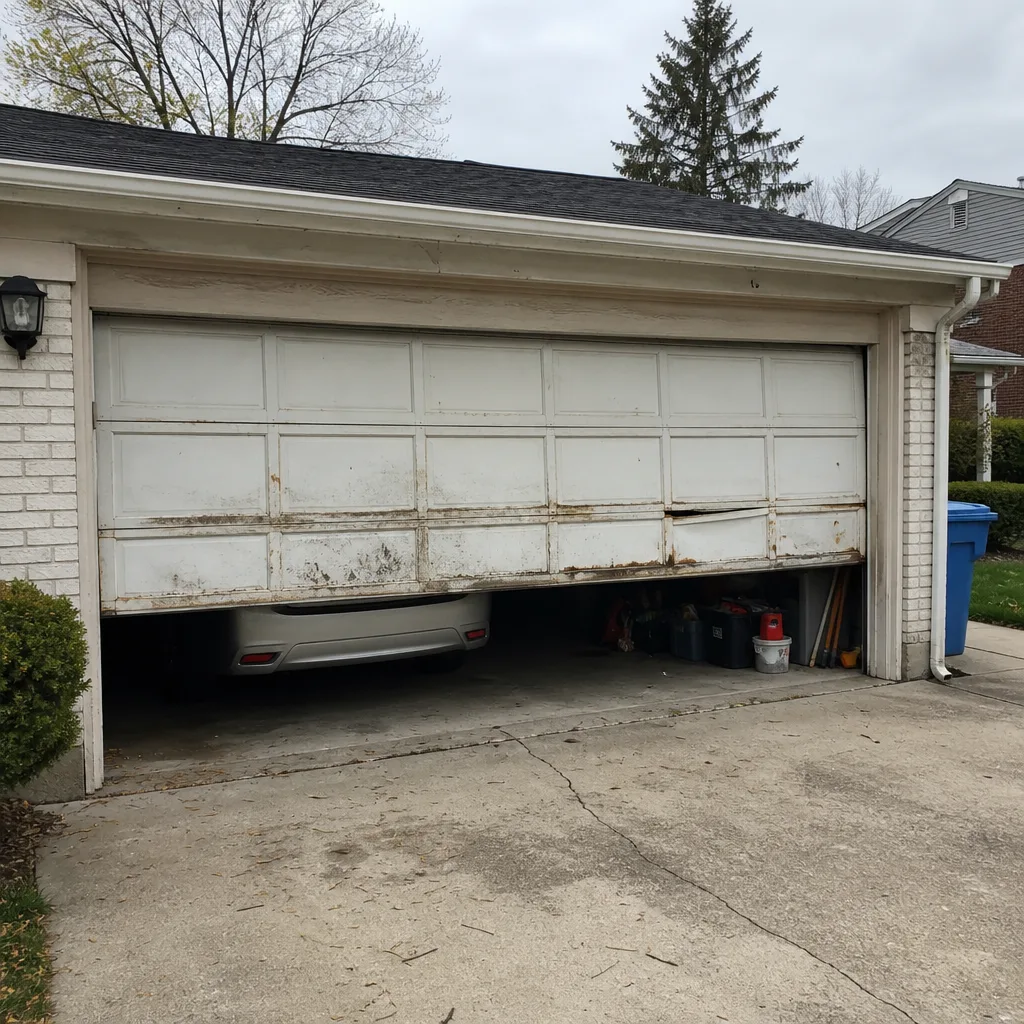 Before
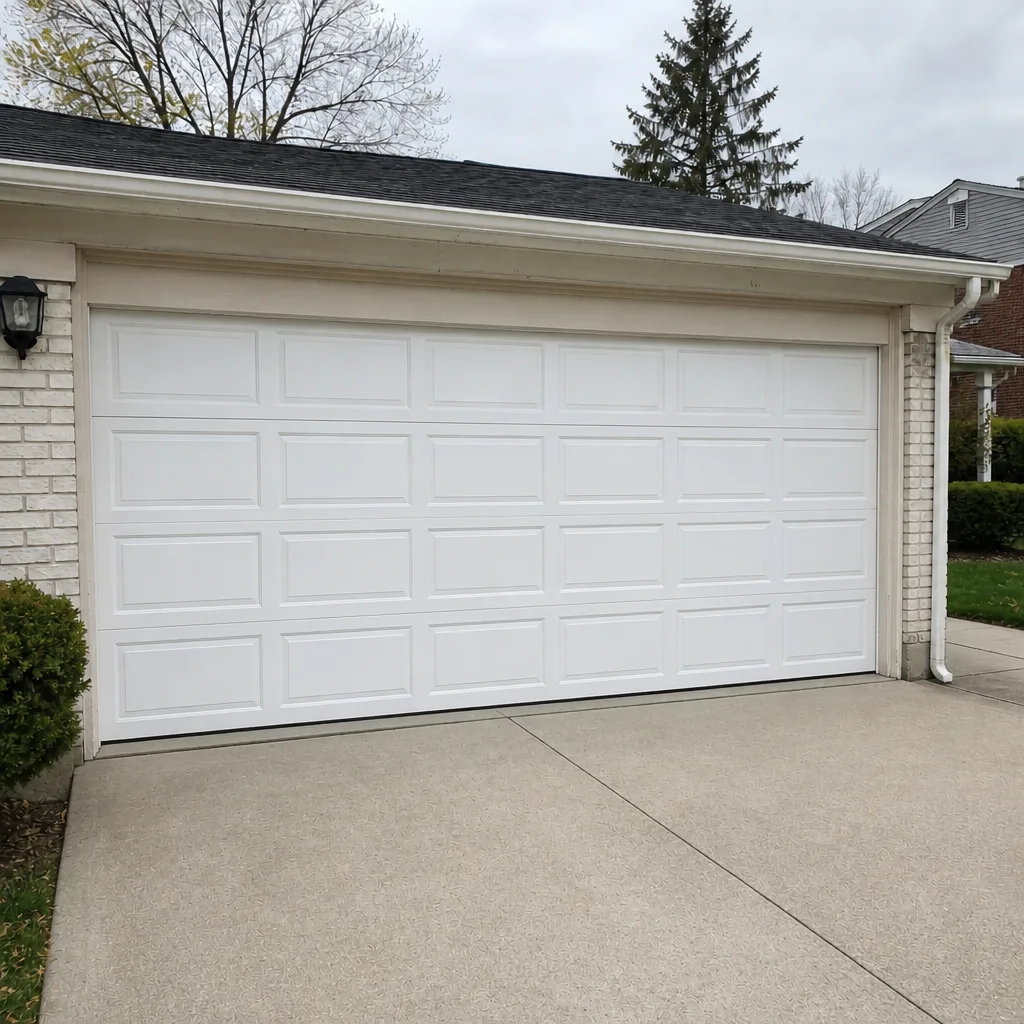 After
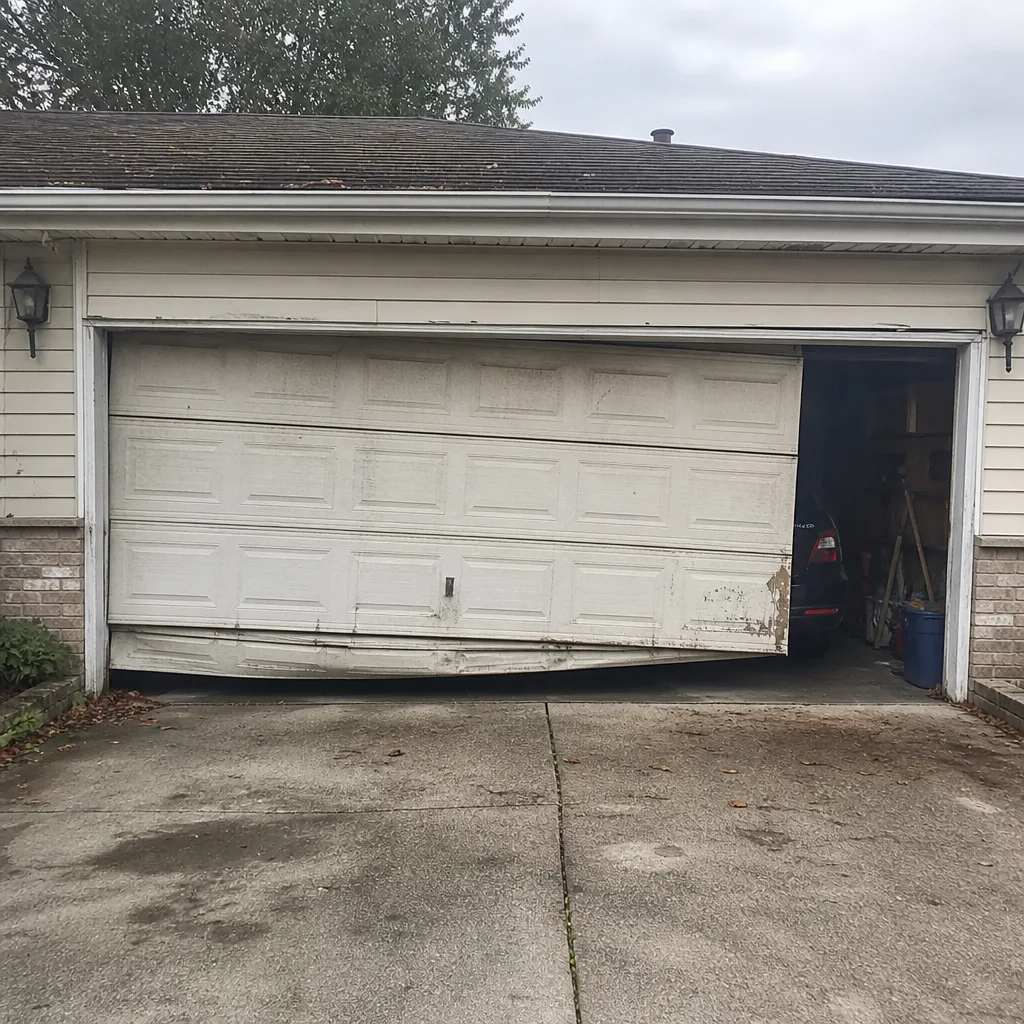 Before
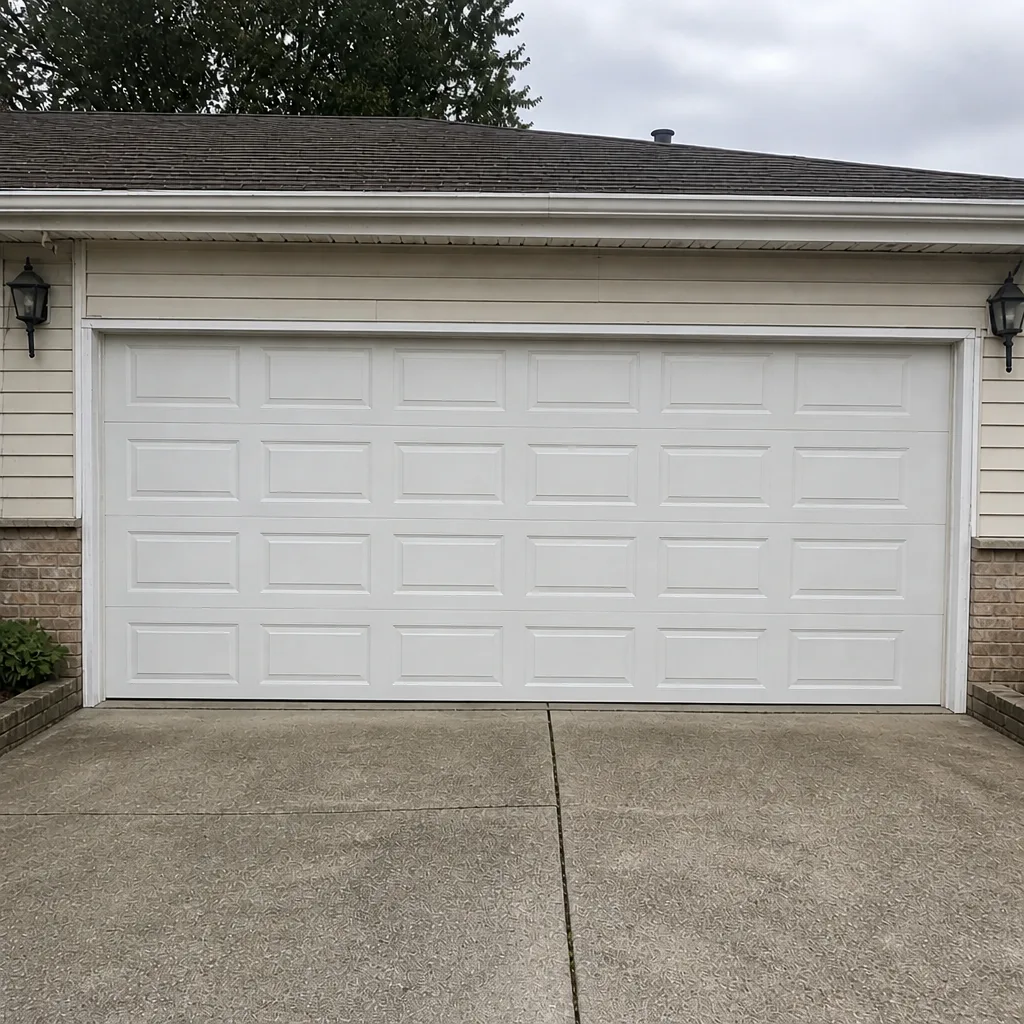 After
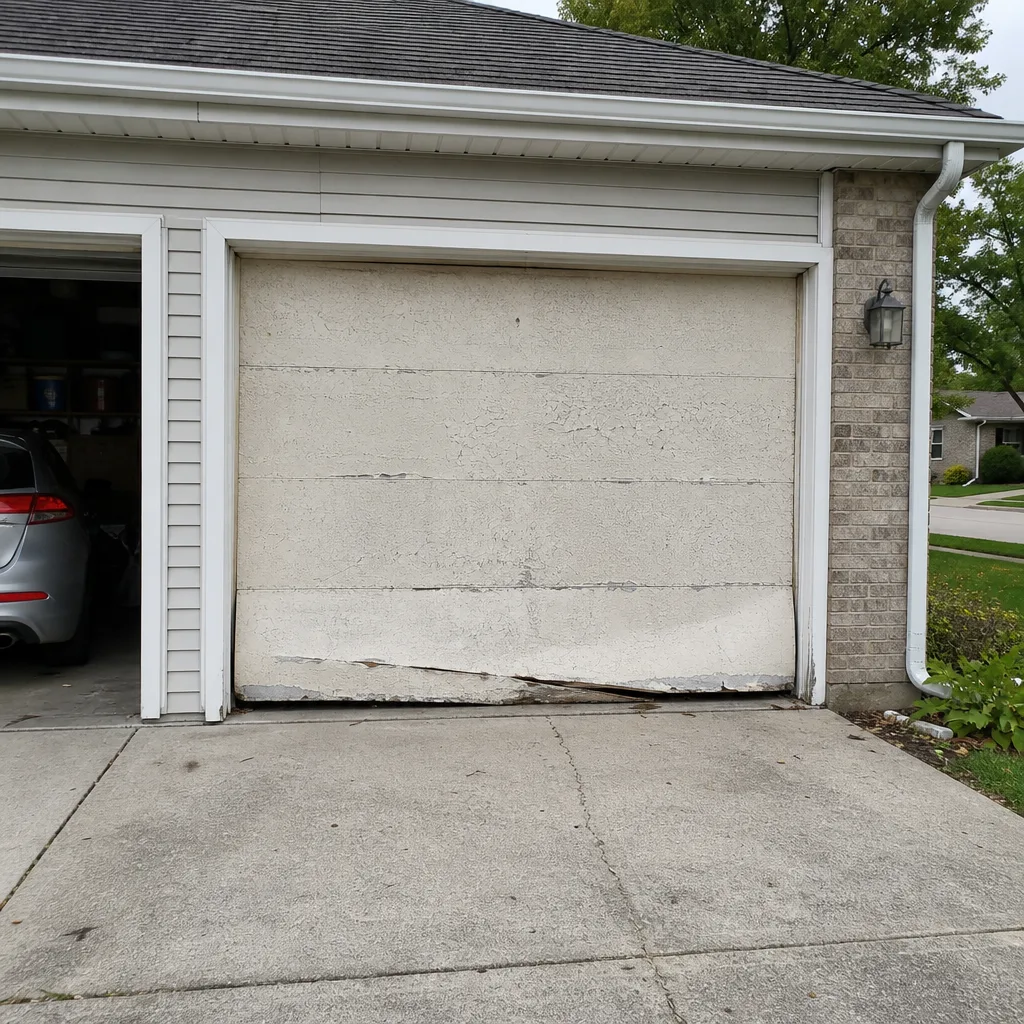 Before
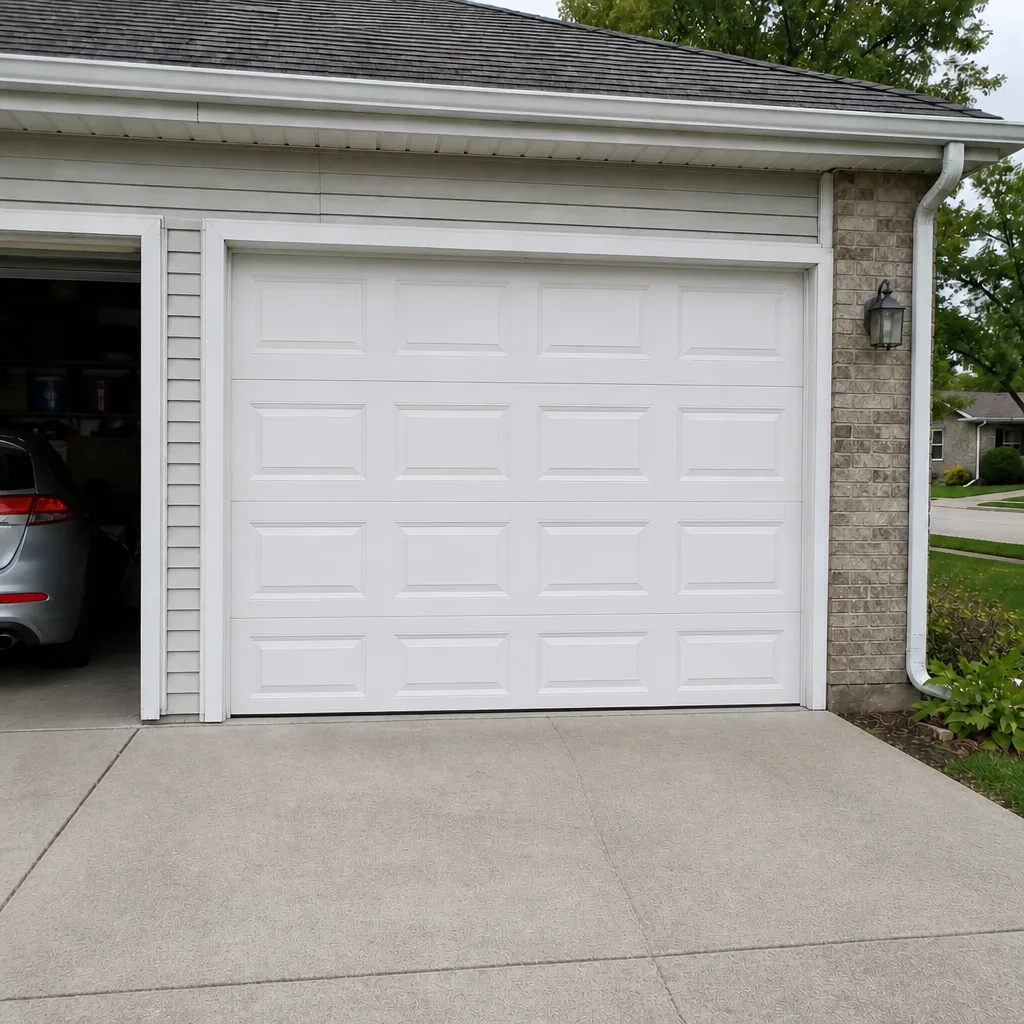 After