Last updated November 22, 2026
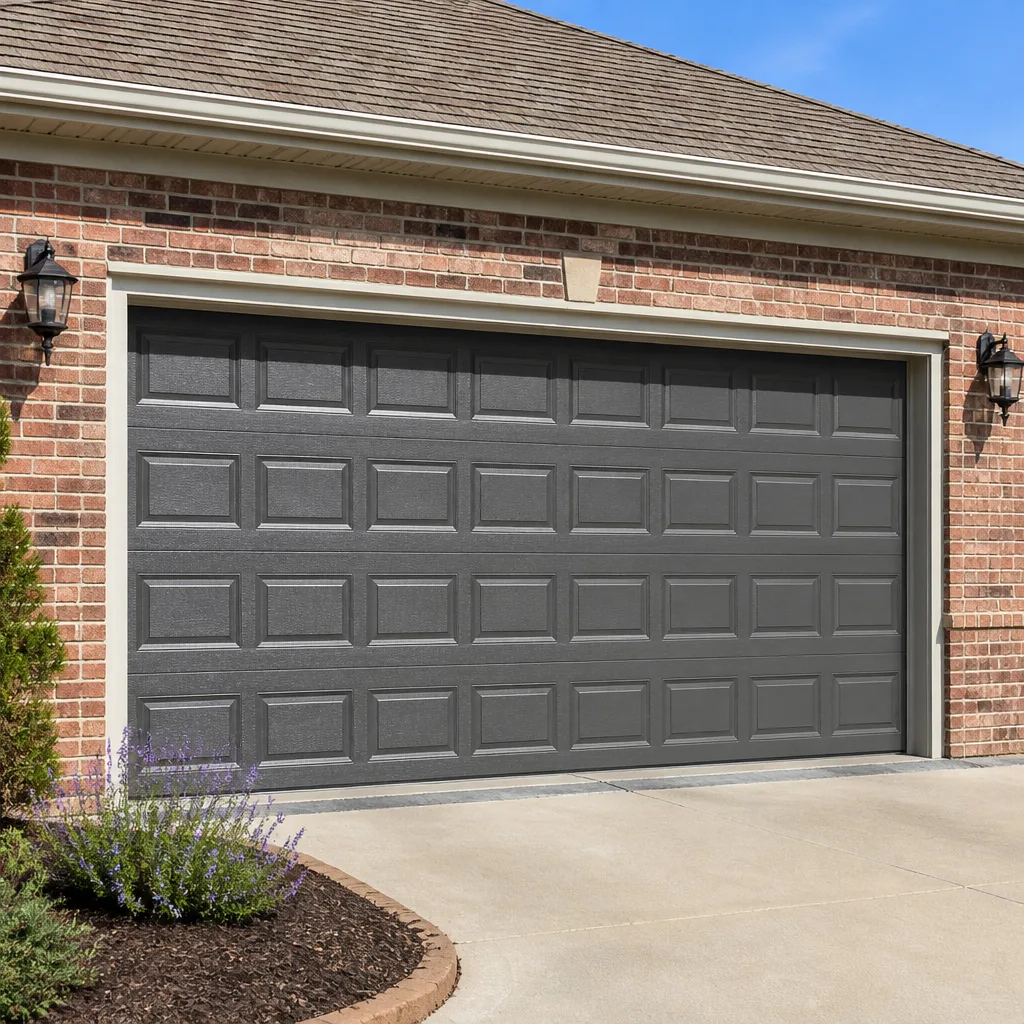 Raised-panel steel
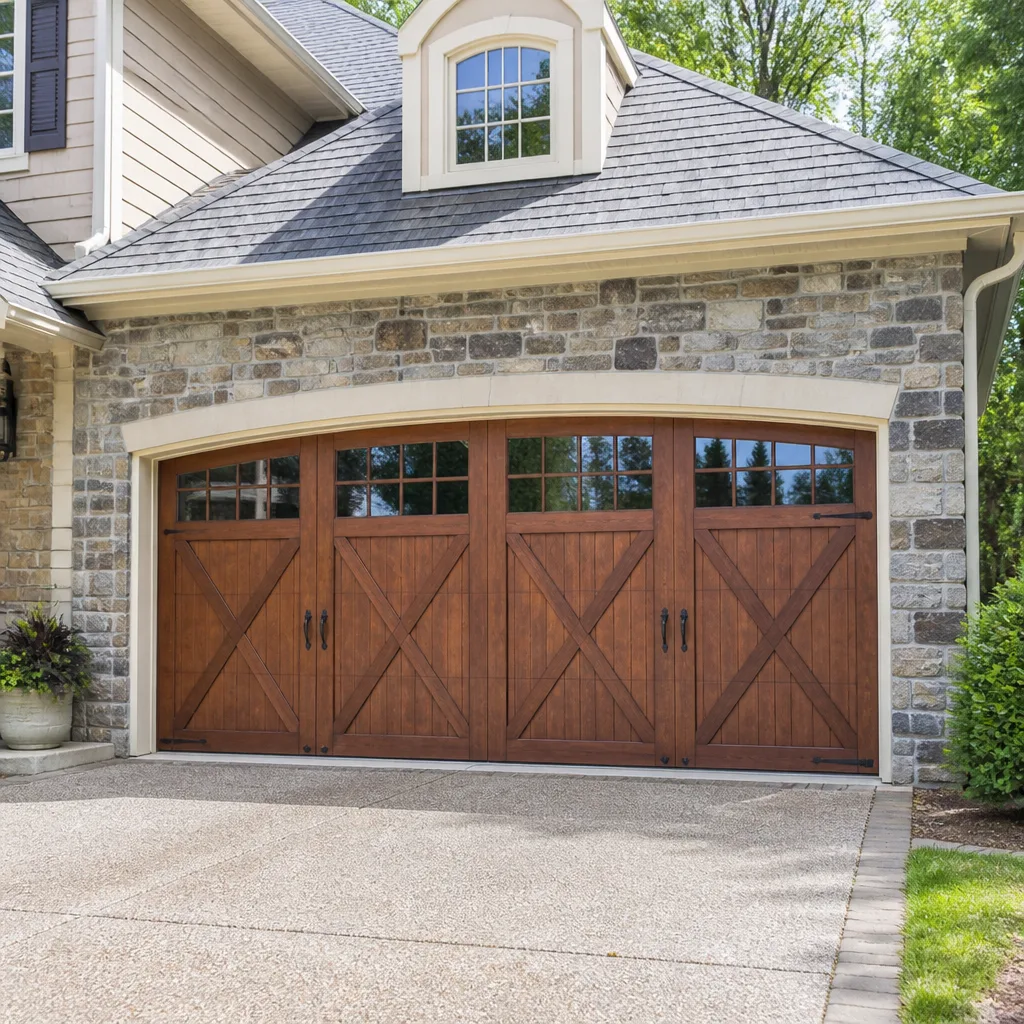 Carriage house
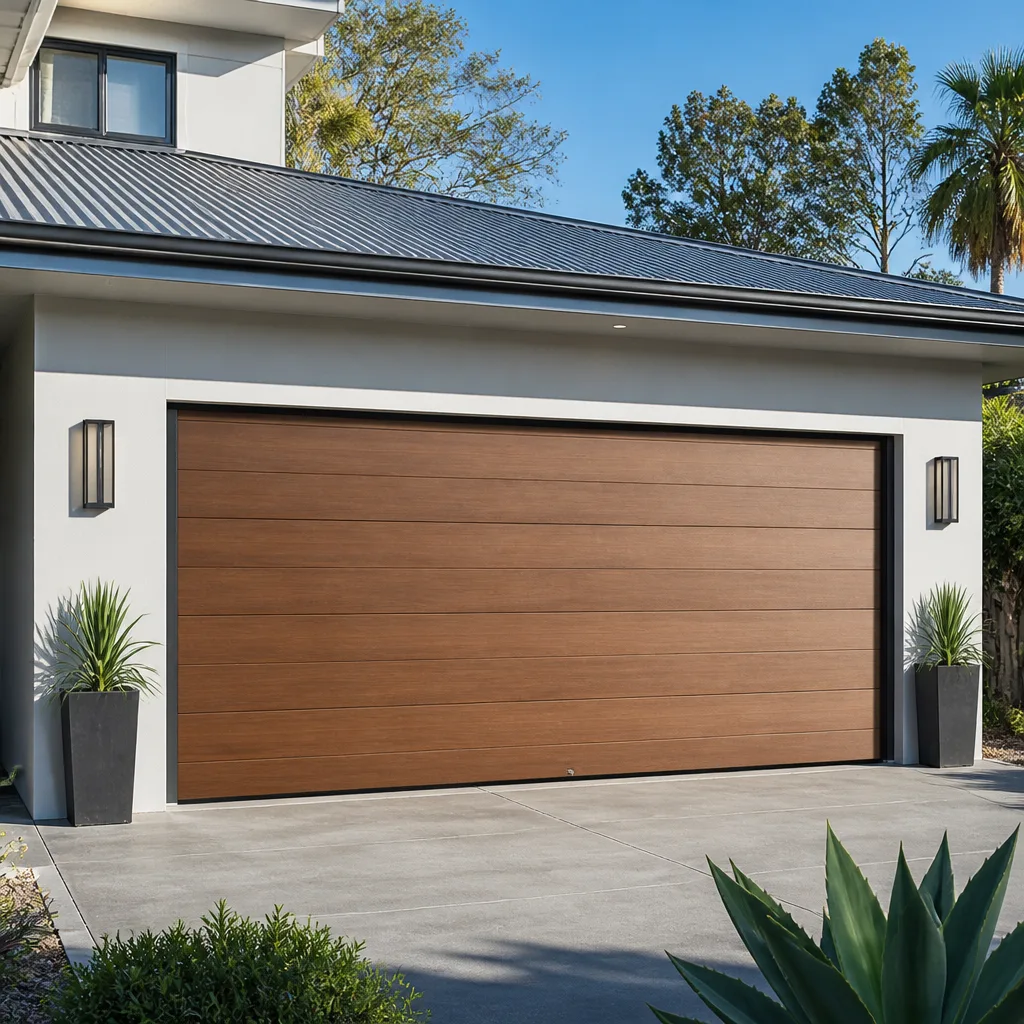 Modern flush
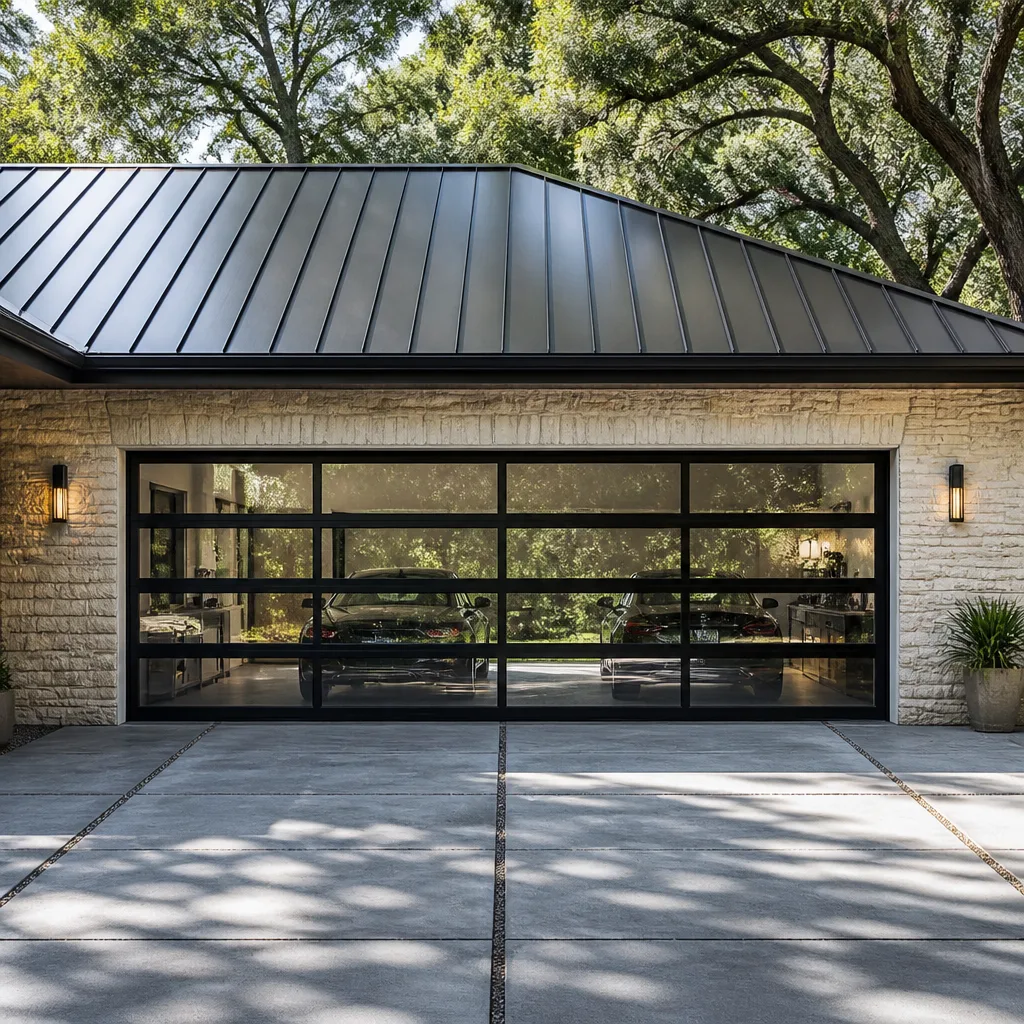 Full-view glass
 LiftMaster openers
 Chamberlain openers
Full 25-point door and opener safety check with every visit - springs, cables, rollers, tracks, and your LiftMaster or Chamberlain opener included
You get a price before we start. It does not change when the pro arrives.
Get your free estimateGarage Door Cost Breakdown: The Arlington Heights Homeowner’s Reference for 2026
The $799 installed door in a big-box flyer is not the price of a working garage door. It rarely includes springs sized for the door, opener compatibility checks, haul-away of the old door, or the labor to rebuild tracks when the new door’s height doesn’t match what’s bolted to your ceiling. In our experience across Arlington Heights, those omitted items routinely add $400 to $900 to the final invoice. This guide gives you the component-by-component numbers for the Arlington Heights market in 2026, the width and height quirks common in homes here, and the dollar threshold where repair stops making sense. Read it before you collect quotes, and you’ll be comparing them on merit instead of marketing.
Quick Answer
Garage door replacement in Arlington Heights typically runs $1,400 to $4,200 installed in 2026, with most single-car replacements landing between $1,400 and $2,400 and most two-car replacements between $2,200 and $4,200. A single broken torsion spring costs roughly $180 to $340 to replace, and a matched pair about twice that. The written estimate you receive after a measure sets the final price.
Styles & brands we work with
- Raised-panel steel
- Carriage house
- Modern flush
- Full-view glass
- LiftMaster openers
- Chamberlain openers
Table of Contents
- What actually drives your garage door cost in Arlington Heights?
- Component-by-component cost ranges for 2026
- How Arlington Heights door sizes affect pricing
- Single spring vs. double spring: the real cost difference
- Why two quotes for the same door differ by hundreds
- Repair vs. replace: the dollar threshold
- How an installation actually goes, step by step
- Common mistakes to avoid
- When to call a professional
What actually drives your garage door cost in Arlington Heights?
Four things move the price more than the door itself: door size and weight, spring configuration, opener compatibility, and how much of your existing hardware can be reused. A quote that names a door model and a total without addressing all four isn’t a quote you can compare against anything.
Arlington Heights housing stock makes the first two more interesting than in most suburbs. The village grew through several building waves, and the garages reflect it. You’ll find older detached garages with narrow openings and low headroom alongside 1960s and 1970s subdivisions with standard 16×7 two-car openings, plus newer construction with taller 8-foot ceilings and oversize doors. Each of those translates into a different labor picture.
Then there’s the climate. This is a freeze-thaw market. Winter pulls garage doors through hundreds of open-and-close cycles with cold-stiffened springs and seals that harden, and the transitional months put stress on hardware that’s already tired. Doors here age differently than doors in mild climates, and spring life reflects it.
Quick breakdown of what moves the number
- Door size: A 9×8 with a non-standard width means custom panels. A 16×7 uses standard panels. A 18×8 sits between.
- Spring type and count: Torsion versus extension, and one spring versus two.
- Opener compatibility: A smart opener and an older legacy model require different testing and sometimes different hardware.
- Hardware reuse: Track condition, drum condition, and whether the new door’s height matches your existing vertical tracks.
- Insulation and window options: R-value and glazing choices add material and labor.
If you’re weighing repair against replacement first, the wider guide to garage door repair covers the diagnostic side before you commit to a new door.
Component-by-component cost ranges for 2026
Here’s the part most quotes hide. Below are the typical 2026 ranges for each component and labor line in the Arlington Heights market. These are estimates; the written estimate sets the final price.
| Component or line item | Typical range (2026) |
|---|---|
| Single spring replacement (one spring) | $180 – $340 |
| Matched pair of springs | About twice the single-spring range |
| Opener replacement (unit + install) | $380 – $850 |
| Opener repair (board, gear, sensor, travel) | $140 – $420 |
| Panel replacement (single panel) | $160 – $420 |
| Track replacement (one side) | $180 – $380 |
| Weatherseal replacement (bottom and sides) | $90 – $260 |
| Insulation upgrade on existing door | $220 – $560 |
| Single-car door, installed | $1,400 – $2,400 |
| Two-car door, installed | $2,200 – $4,200 |
| Haul-away and disposal | $80 – $180 |
Notice what’s not in the flyer price. Springs sized and balanced for your specific door. The labor to adjust tracks when the new door sits differently. Haul-away. And opener compatibility testing, which on a smart system means verifying travel limits, force settings, and safety reversal after the new door is hung.
The component that surprises homeowners most is the spring. It’s also the one where the cheapest option costs the most over time, which we’ll get to. For brand-specific opener work, the dedicated page on garage door opener repair breaks down which systems commonly need which repairs.
What these numbers don’t include
Low-headroom situations, structural repairs to a sagging header, or electrical work to bring a power outlet to the opener are separate. If a technician identifies one of these, it should be quoted before work begins, not discovered mid-job. That’s a conversation to have up front.
How Arlington Heights door sizes affect pricing
Door dimensions are the quiet multiplier in every quote. The three common configurations in Arlington Heights homes are 9×8, 16×7, and 18×8, and each carries a different material and labor cost.
The 16×7 is the standard two-car workhorse. Panels come off the shelf, tracks are standard, and labor is predictable. It’s the least expensive two-car configuration by a wide margin because nothing has to be customized.
The 9×8 shows up in older single-car garages, including detached garages on the village’s original blocks. It’s narrower than standard, which means panel widths have to be cut or specified. Labor also goes up because a narrow opening leaves less room for adjustment, and headroom can be tight in garages built for cars far smaller than what parks there now.
The 18×8 is wider and taller. More panel, more weight, more spring. Higher ceilings often mean the opener was mounted higher, and the arm and rail need to be rechecked on a replacement.
Five size-related cost questions to ask
- Does the new door height match the existing vertical track, or will the track be modified?
- Is headroom sufficient for the spring configuration, or does it require a low-headroom kit?
- Is the opening width a standard panel width, or will panels be cut?
- Was the opener originally installed for this door’s weight, or will it need to be re-rated?
- Does the garage have enough clearance for a taller door without modifying the header or opener mounting?
Get answers to those five and the “custom” labor charges on your quote will stop being a mystery.
Single spring vs. double spring: the real cost difference
A single torsion spring costs less to replace than a matched pair, but here’s the trade-off: a single spring carries the entire door load, so when it fails, the door comes down with nothing to catch it and the other hardware takes the shock. A double-spring setup shares the load, and each spring carries roughly half. When one fails, the door usually stays up on the other, and the garage isn’t suddenly unusable.
That difference matters in Arlington Heights partly because of the climate. Springs here endure months of cold-cycle stress followed by thaw-season temperature swings, and a spring that’s carrying too much of the load wears faster. In our experience, a single-spring setup is usually replaced with a matched pair where there’s room for it, because the labor to get into the spring assembly once is most of the job.
What this means for your quote
- A quote for one spring is one spring. A matched pair is about twice that. Make sure the number matches what’s installed.
- If your door currently runs one spring and there’s room for two, ask whether a pair makes sense for your door weight.
- Spring replacement is high-tension work. It’s not a DIY job, and a quote that sells you a “cheap spring” without asking about door weight is a quote worth questioning.
Springs are the safety-critical component on any garage door. If a spring has snapped, the door should stay down and stay closed until a trained technician handles it. See the specialist page on garage door spring repair for what that repair involves.
Why two quotes for the same door differ by hundreds
Two contractors quote the same 16×7 door at $2,100 and $2,850. The door is identical. So what’s the $750?
It’s rarely brand markup. It’s what’s bundled in the line items. Here’s what to compare line for line:
1. Warranty terms
A warranty that covers the door but not the installation labor, or vice versa, isn’t comparable to one that covers both. Ask what’s covered, for how long, and who honors it.
2. Haul-away and disposal
Removing and disposing of the old door is real work and a real line item. Quotes that omit it sometimes add it later. It should be written down at the quote stage.
3. Hardware quality tier
Hinges, rollers, and bearings come in grades. A quote using the most economical hardware will be cheaper than one using heavier-duty components, and the door will behave differently in five years. Ask which tier is specified.
4. Opener compatibility work
If your opener is a smart system, the technician has to verify travel limits, force settings, and safety reversal after the new door is hung. If it’s an older legacy model, or a unit that’s been on the ceiling a long time, adjustments may take longer. This is part of the job, and it should be quoted.
5. Panel cut or specification
Standard-width panels cost less than specified ones. If your opening is 9×8 or 18×8, panels may need to be cut or ordered.
6. Track and frame condition
A quote that assumes existing tracks are reusable will be cheaper than one that plans for track modification. Have the technician inspect your existing track before quoting, not after.
One more variable: what happens after the job. A quote that includes final balance, safety check, and a walk-through of how the door is meant to run is a different product than one that stops at “door hung.”
Repair vs. replace: the dollar threshold
Here’s the rule of thumb many homeowners use: if the repair cost is more than half the cost of a new door, replace it. In Arlington Heights the specific numbers are these.
- If a single component (spring, opener, panel, track) needs replacing and the door is otherwise sound, repair usually makes sense.
- If two or more major components are at the end of their life and the door is old, the repair bill starts approaching the $1,400 to $2,400 single-car replacement range, and replacement is usually the better value.
- If the door structure itself is compromised (a bent or bowed panel, a rusted or cracked bottom section, an opener that can’t keep up with the door’s weight), replacement is the right call even if a repair is technically possible.
Repair-or-replace decision steps
- Identify every failing component, not just the one that broke.
- Get a written estimate for repair of those components.
- Get a written estimate for replacement of the door.
- If the repair estimate lands above half the replacement estimate, consider replacement.
- If the door is under 15 years old and only one component failed, repair it and put the remaining value into the door’s life.
A door that’s 20 years old and needs springs, an opener, and one panel is usually a replacement. A 10-year-old door that needs a spring is a repair. The math is only reliable when both numbers are written down and compared.
How an installation actually goes, step by step
Installation is a measured, ordered, and scheduled job, not a same-day repair. Here’s the sequence a homeowner should expect.
- Measure: The technician measures the opening, height, headroom, and side clearance. This is where a 9×8 or 18×8 gets flagged for panel specification.
- Opener compatibility check: The existing opener is evaluated against the new door’s weight and height, and opener types are identified by brand.
- Written estimate: The quote is provided with line items for door, springs, opener work, hardware, and haul-away.
- Scheduling: The door is ordered and the installation date is set.
- Removal: The old door and tracks come down and are hauled away.
- Installation: Tracks, springs, panels, and hardware are set. Springs are tensioned by a trained technician.
- Opener connection and testing: Travel limits, force settings, and safety reversal are verified.
- Walk-through: The technician runs the door, checks balance and seal, and explains the warranty and maintenance.
Timing depends on door size, opener condition, and whether the existing track and frame can be reused. On a standard 16×7 with a compatible opener, it’s a shorter job. On a 9×8 with custom panels and older hardware, it’s longer. This is a measure-and-schedule process, not a same-day fix, so it’s worth knowing that going in.
We work on all the major systems, including Amarr, Wayne Dalton, Craftsman, and Raynor doors and openers. That matters at the quote stage, because a technician who already knows the line doesn’t need a second visit to figure it out.
Common Mistakes to Avoid
- Comparing a flyer price to an installed quote. The flyer price is the door. The installed price includes springs, labor, haul-away, and compatibility work. They’re two different products.
- Assuming one spring quote covers a pair. If your door runs two springs, one failed spring doesn’t make the pair. A quote for one spring is one spring; a matched pair is about twice that.
- Choosing a door without checking opener compatibility. A taller or heavier door can leave a perfectly good opener struggling. Compatibility should be checked before the door is ordered, not after it’s hung.
- Skipping the measure for a 9×8 or 18×8 opening. Non-standard openings mean custom panel specification or cutting. A quote given over the phone without a measure is a guess.
- Choosing the cheapest spring tier. Spring quality and count affect how often you replace this component. The lowest-cost spring setup is often the most expensive over time.
- Ignoring track condition until after the new door is hung. If the new door’s height doesn’t match existing tracks, the labor is more than quoted. Have tracks inspected at the measure.
- Leaving the haul-away fee undisclosed. It’s a real cost and should be written into the quote, not added at the end.
When to Call a Professional
Call a professional for any problem involving the springs, cables, or opener electronics. A snapped spring, a door that won’t come down evenly, a cable that’s jumped a drum, or an opener that runs but the door doesn’t move are all situations where the repair involves high-tension components or live electrical work. Do not attempt these yourself. For a door that’s tilted, off-track, or completely stuck, emergency garage door service exists for exactly this. For a door that needs a panel, haft-away, or full replacement, the measure and written estimate come first.
If your door has an opener problem, the issue may be a board, a gear, or a sensor. A specialist – not a general handyman – can diagnose it without swapping parts speculatively. Our technicians have up to 9 years of experience with these systems and the major brands behind them.
Arlington Heights Garage Door Repair Pros offers free estimates in Arlington Heights – call (877) 460-4338.
See the difference
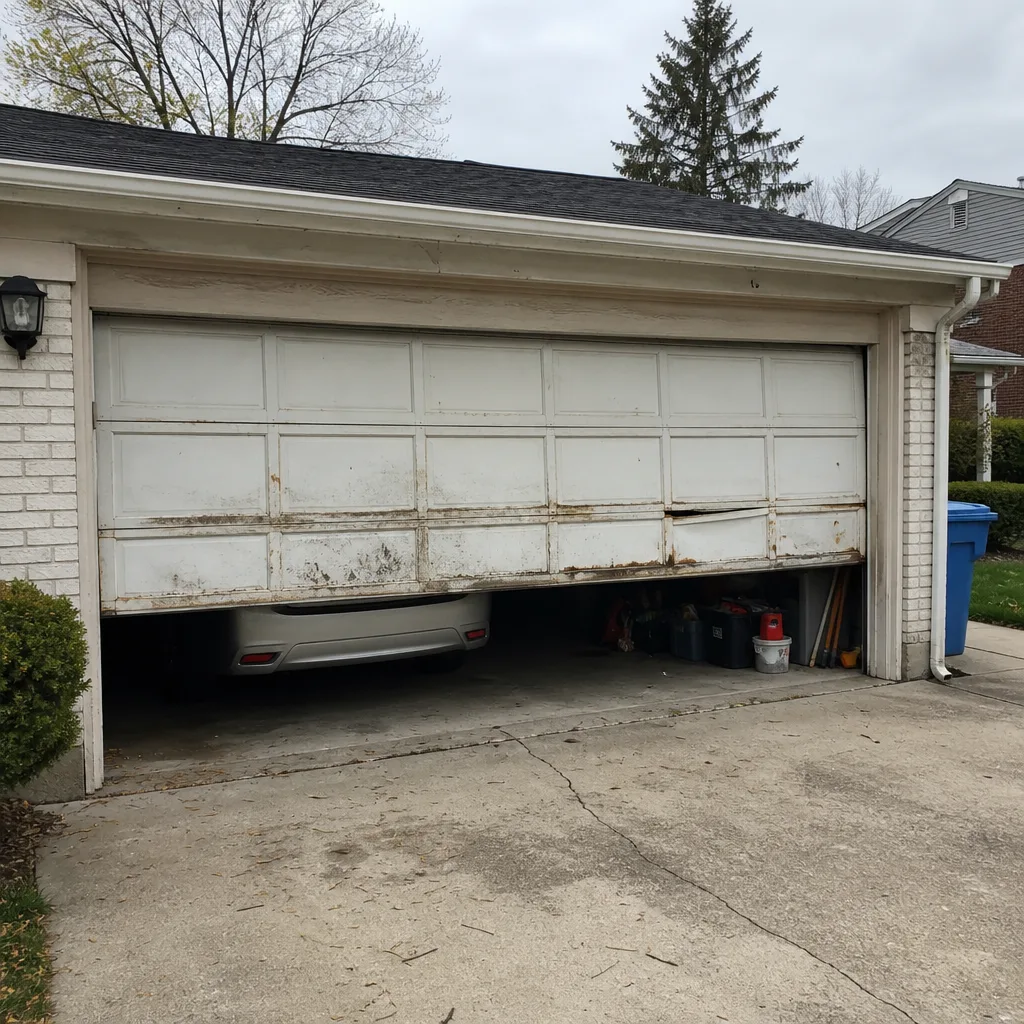 Before
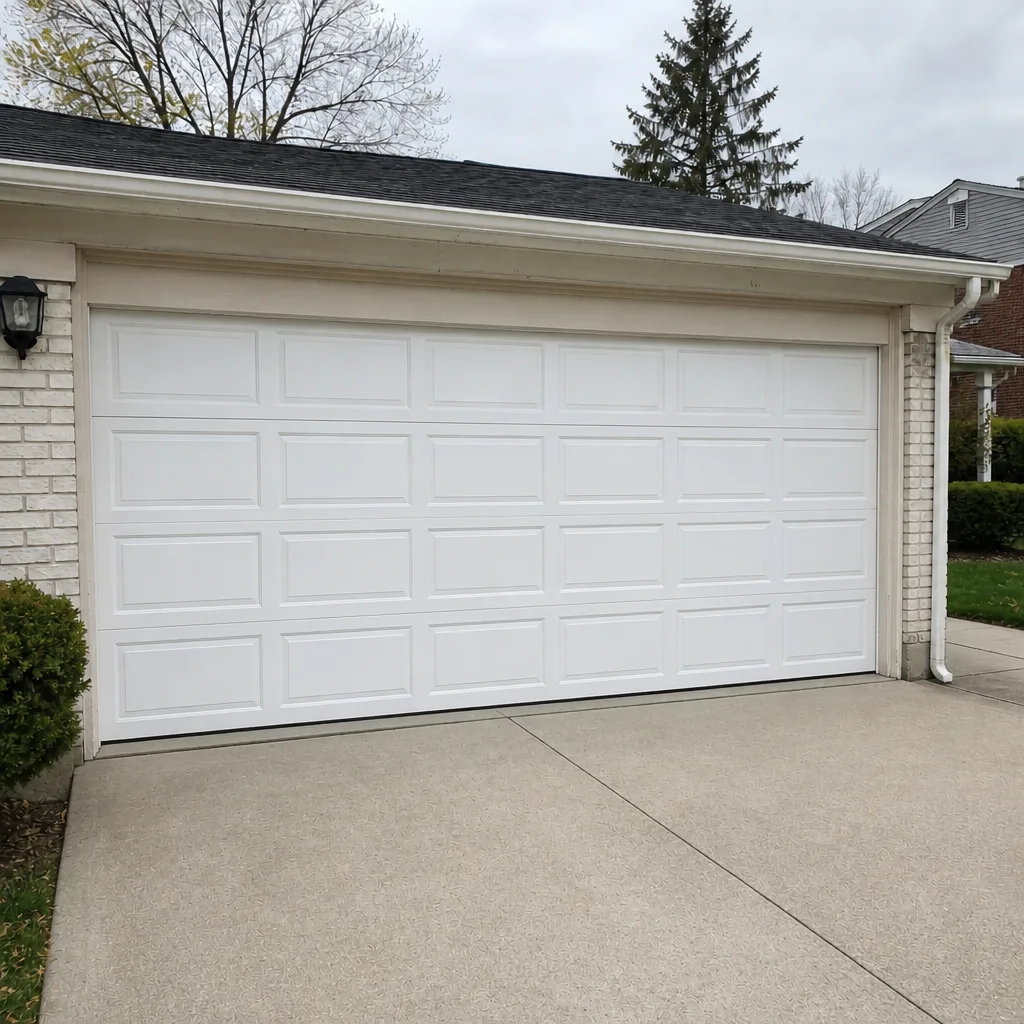 After
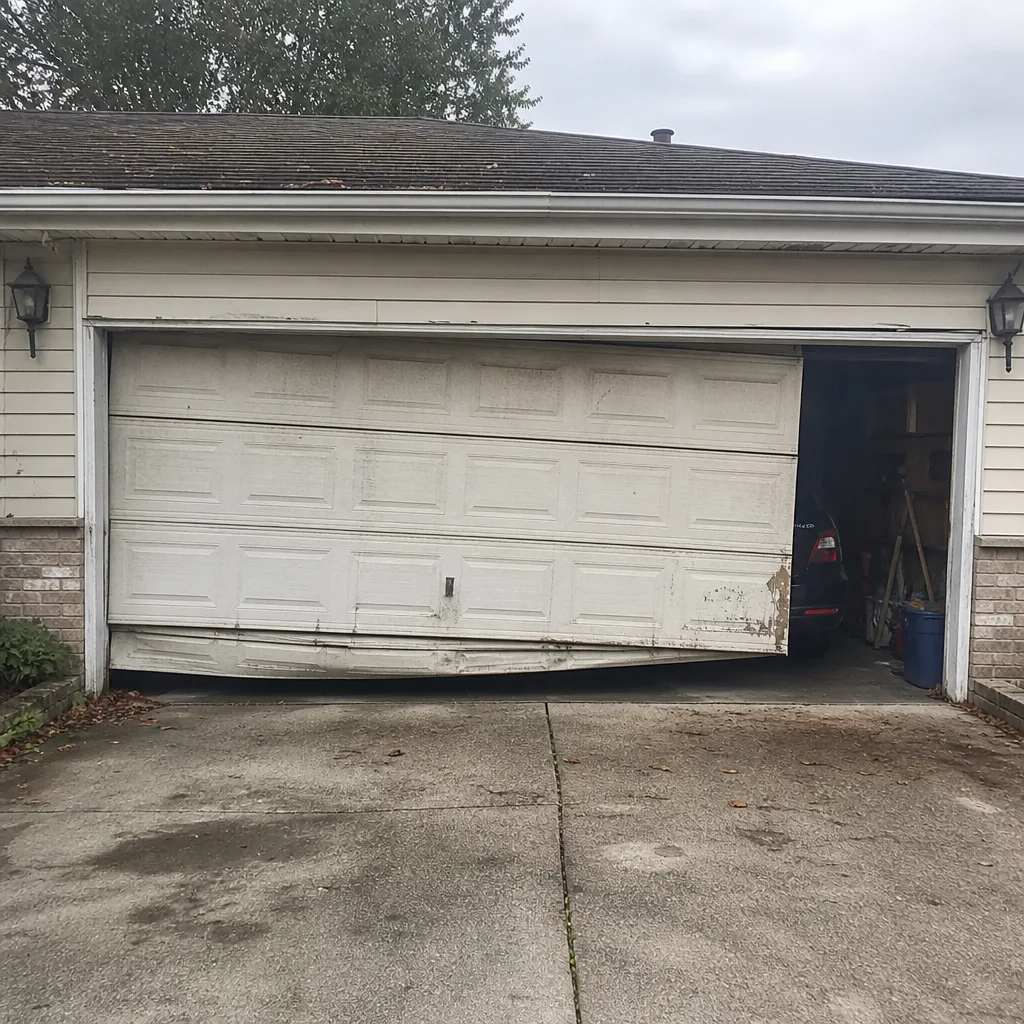 Before
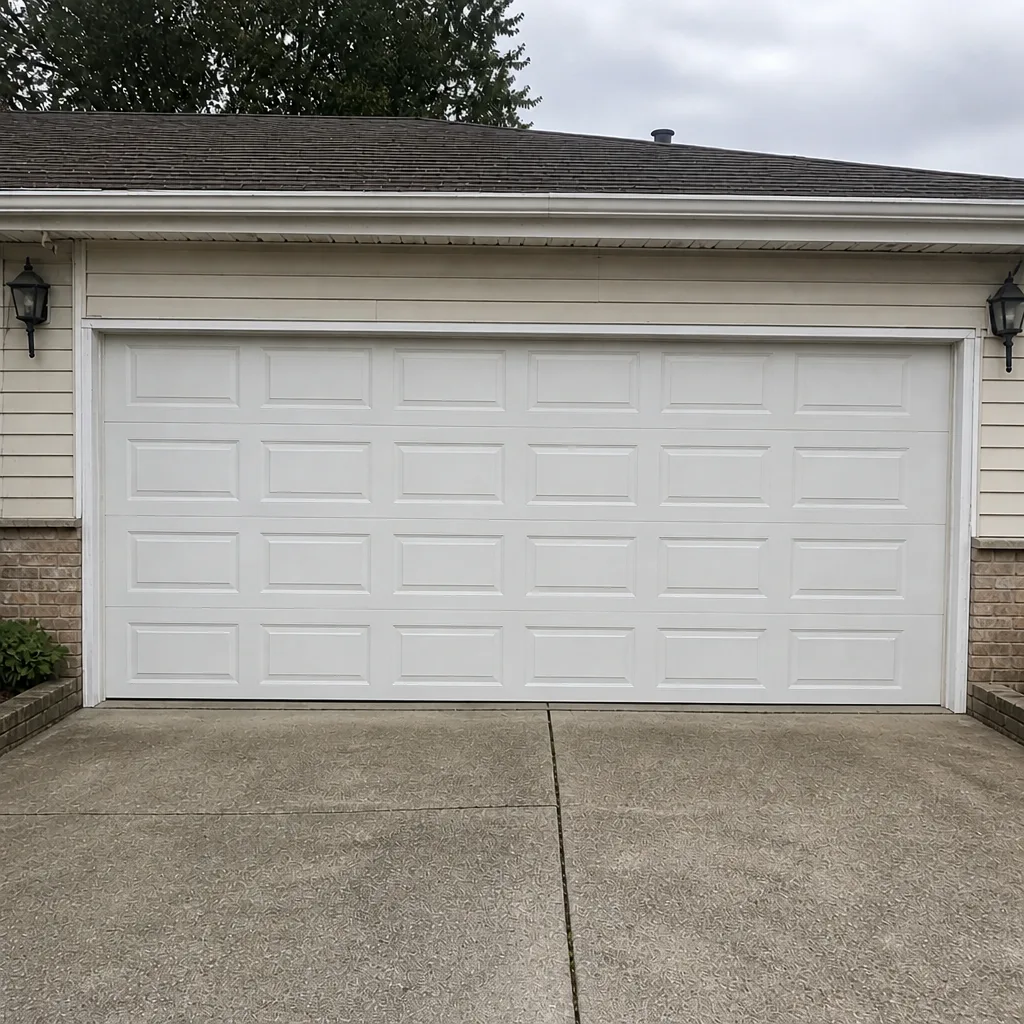 After
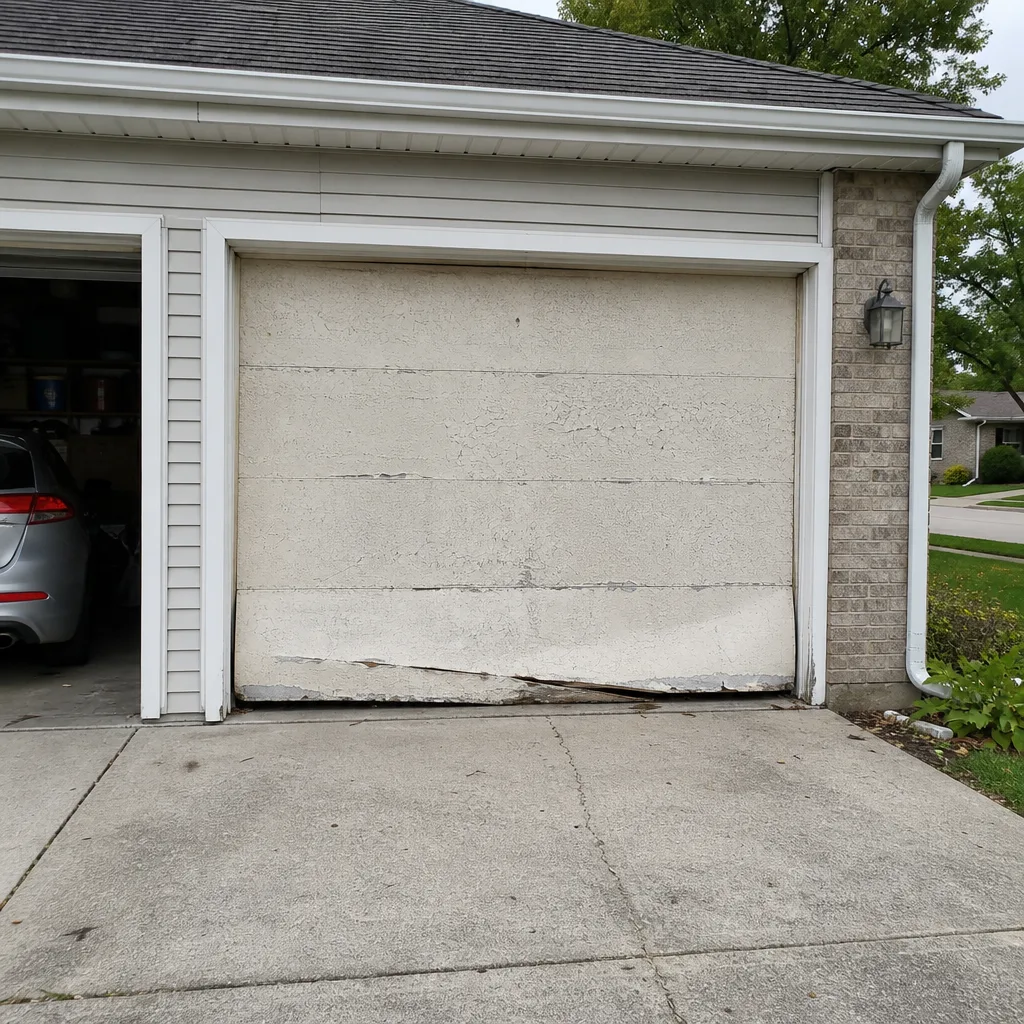 Before
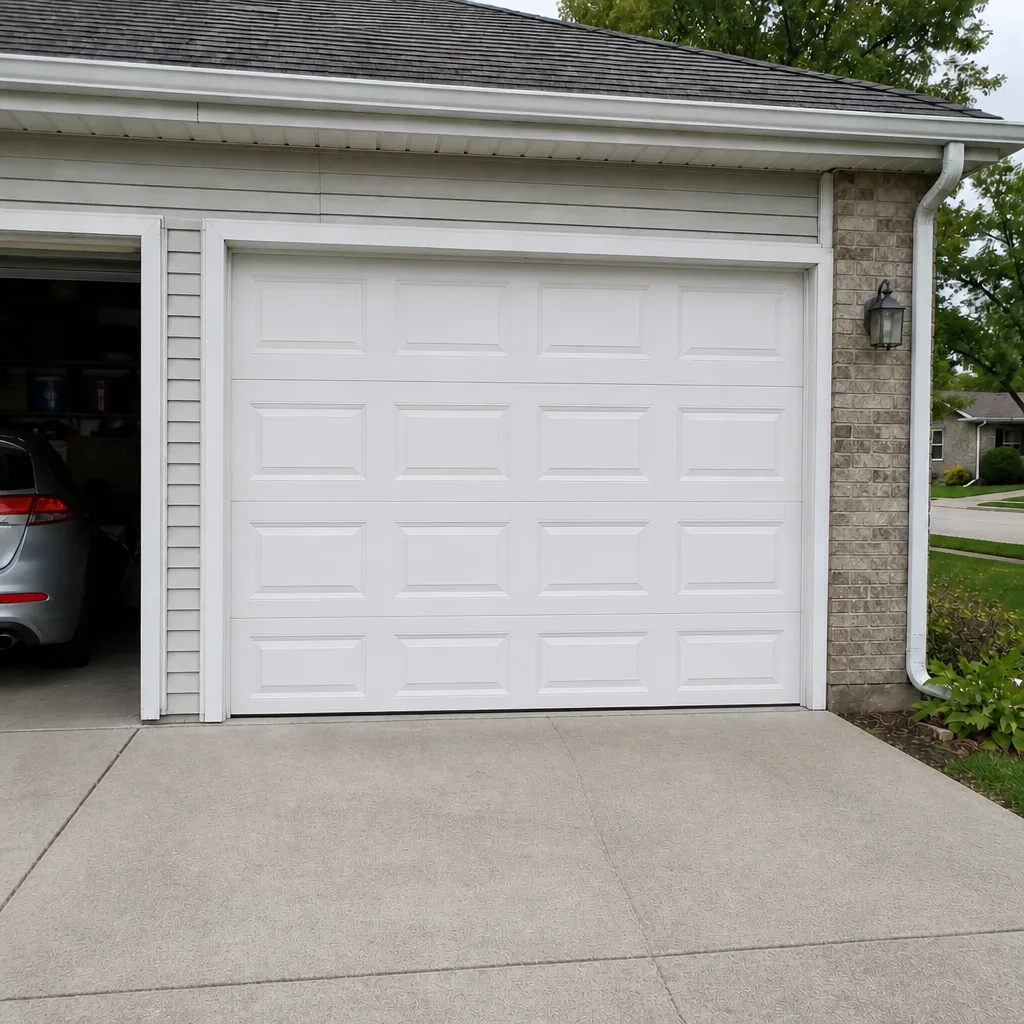 After
Frequently Asked Questions
Garage door replacement in Arlington Heights typically costs $1,400 to $4,200 installed in 2026, depending on door size, spring configuration, and opener compatibility. Most single-car replacements land between $1,400 and $2,400, and most two-car replacements between $2,200 and $4,200. The written estimate after a measure sets the final price. Call (877) 460-4338 for an exact quote – estimates are free.
A single broken torsion spring typically costs $180 to $340 to replace, and a matched pair about twice that. Spring replacement is high-tension work and should only be handled by a trained technician. If your door’s spring has failed, keep the door closed until it’s repaired. Call (877) 460-4338 for an exact quote – estimates are free.
A 9×8 is narrower than the standard 16×7 width, which means panel widths often have to be cut or specially specified, and the narrower opening leaves less room for adjustment. A 16×7 uses standard panels and standard tracks, which reduces both material and labor. A 18×8 sits between the two on cost.
No. Replacement is a measured, ordered, and scheduled job: the technician measures the opening, checks opener compatibility, provides a written estimate, and the door is ordered. Same-day service applies to repairs and emergencies, not installation. Call (877) 460-4338 to schedule a free measure and written estimate.
The local professionals we connect you with are licensed and insured as their state requires. Our technicians have up to 9 years of experience with garage doors and openers, including LiftMaster, Chamberlain, Genie, Clopay, Amarr, Wayne Dalton, and Craftsman systems.
The written estimate you receive after a measure is the price for the work described. If the inspection reveals track damage, structural issues, or opener work not visible in the original measure, those items are quoted before the work begins – not added afterward. You’ll know the full price before any work starts. Call (877) 460-4338 for an exact quote – estimates are free.
The Bottom Line
The flyer price and the installed price are two different numbers, and the gap is usually $400 to $900 in components the flyer leaves out. In Arlington Heights, the variables most worth understanding are door size, spring configuration, and opener compatibility. Get a written estimate that lists every component separately, compare quotes line for line instead of on the total, and know the repair-or-replace threshold: repair stops making sense when the repair estimate reaches about half the cost of a new door. For spring and opener work, speak to a specialist who knows your system before they arrive. The team at Arlington Heights Garage Door Repair Pros is available for free estimates in Arlington Heights.
Written by the team at Arlington Heights Garage Door Repair Pros.