Last updated November 22, 2026
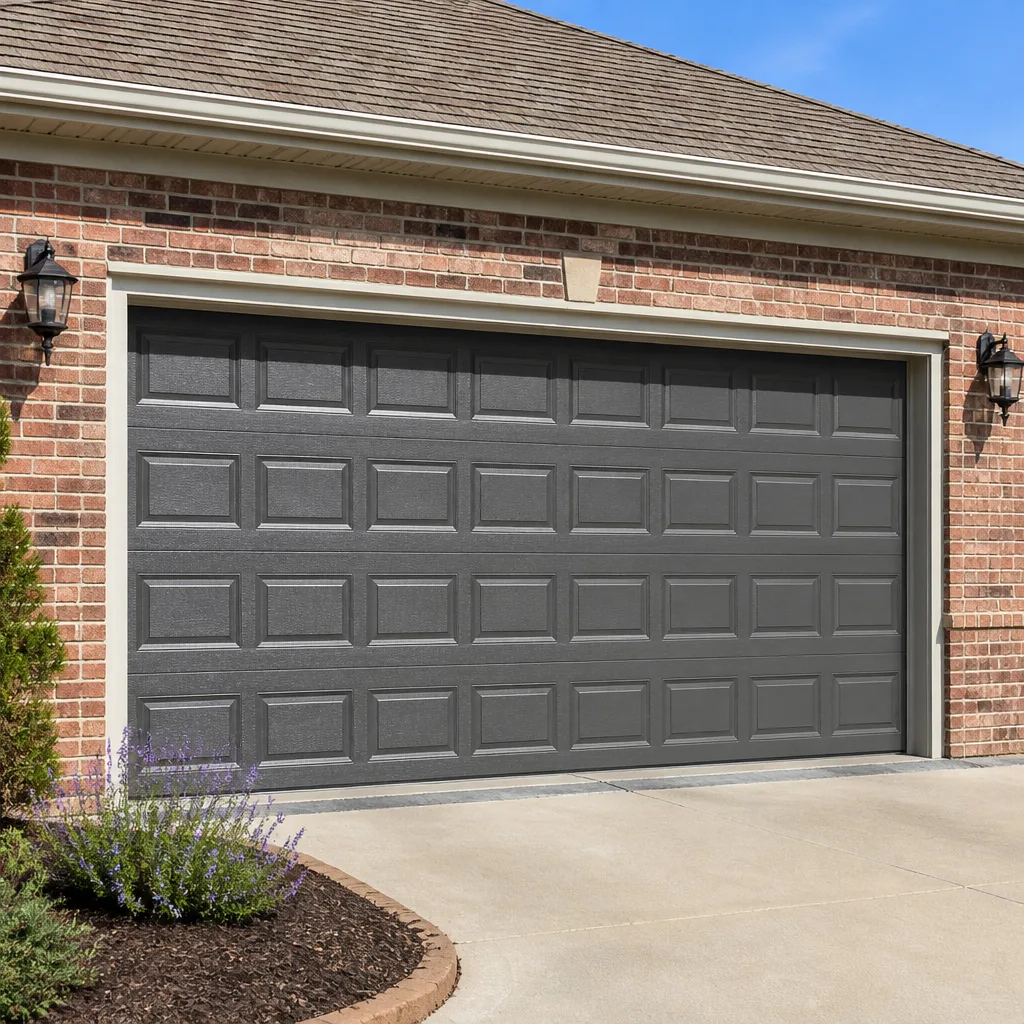 Raised-panel steel
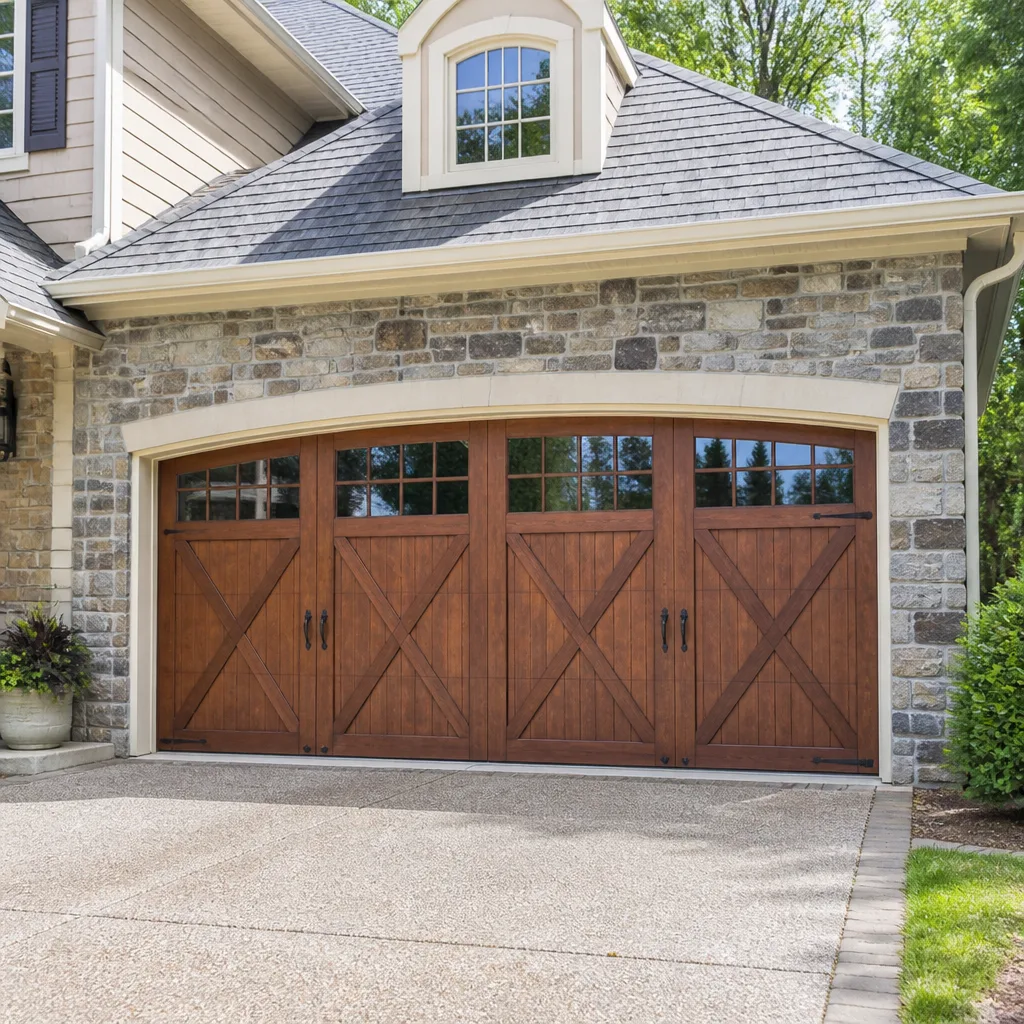 Carriage house
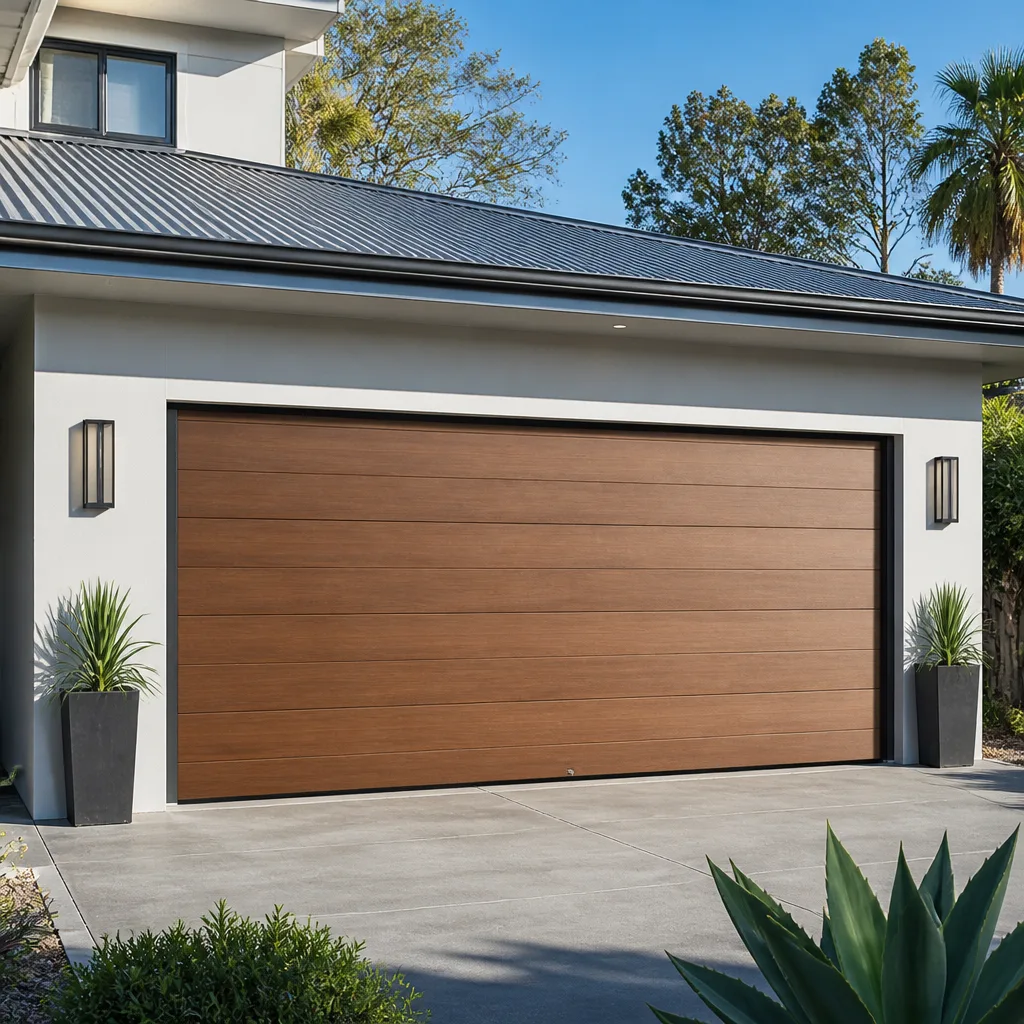 Modern flush
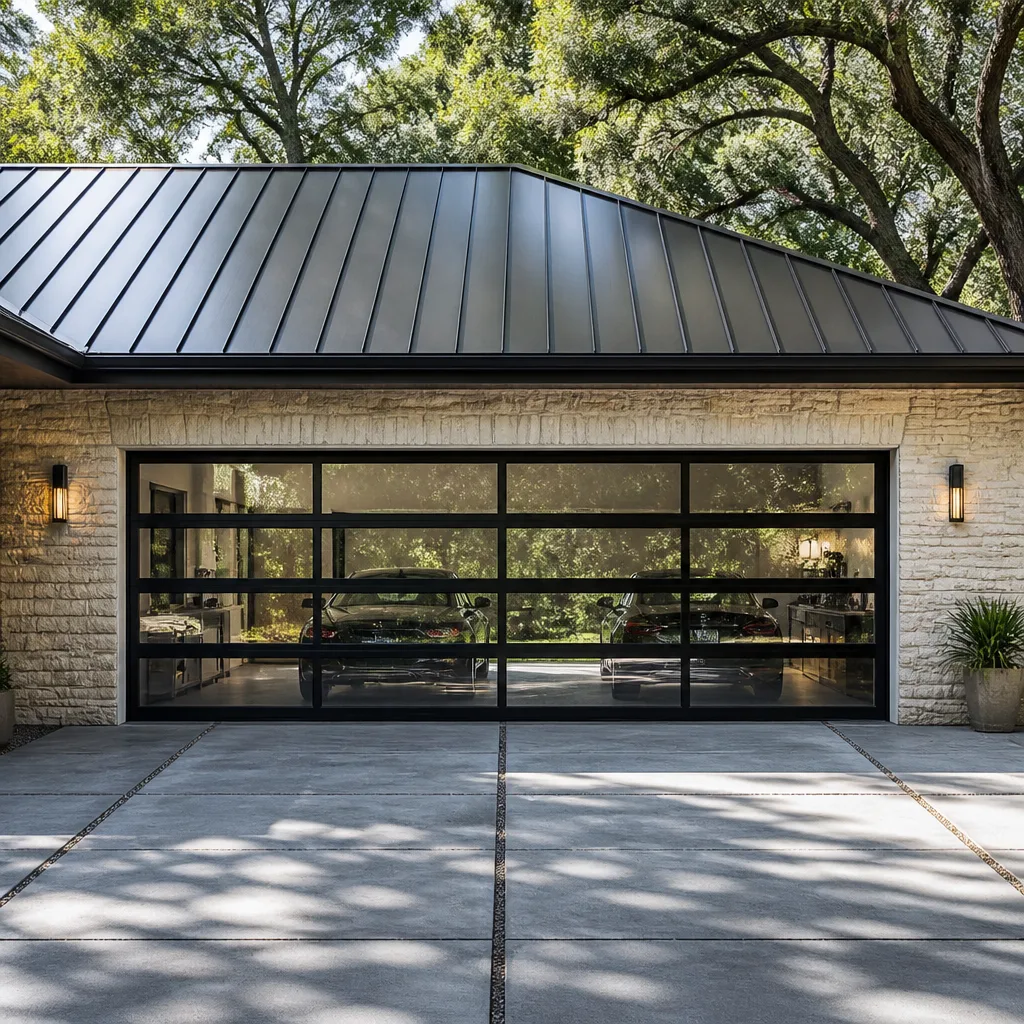 Full-view glass
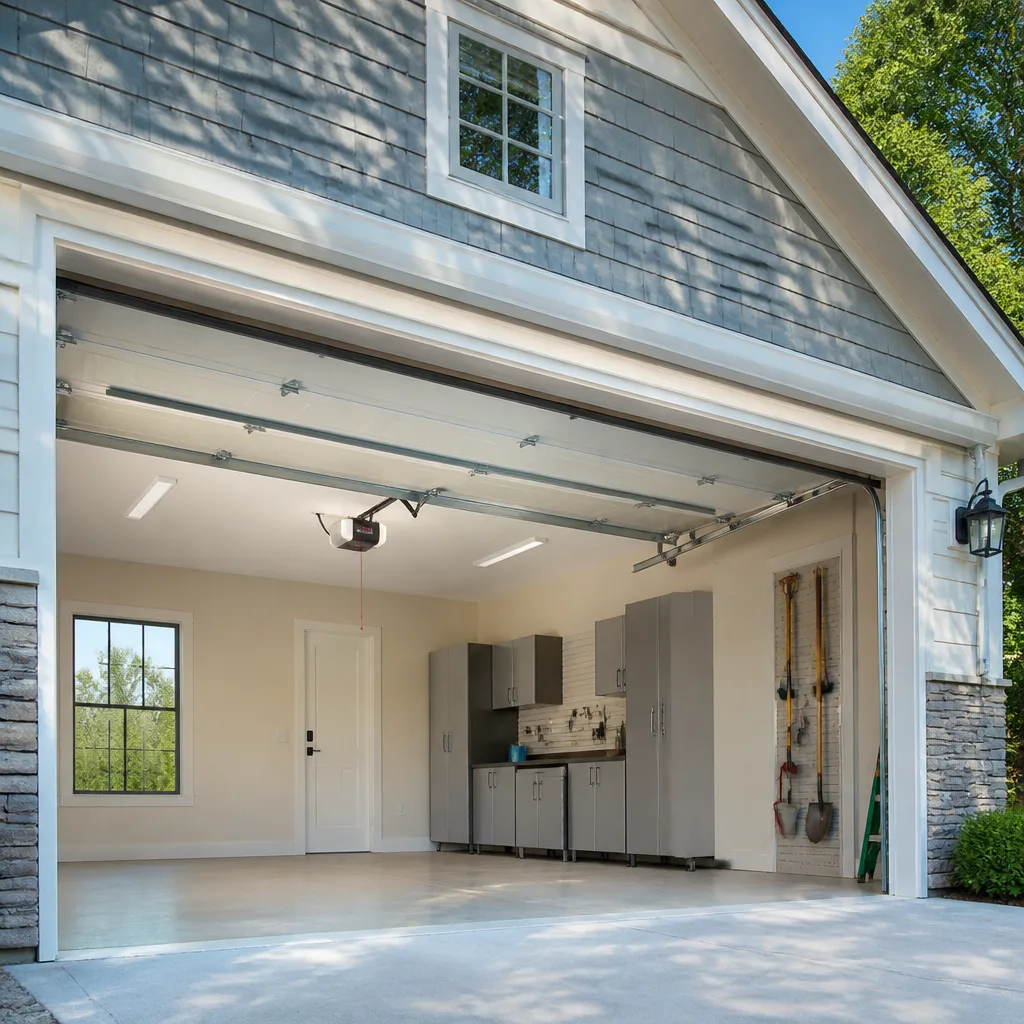 LiftMaster openers
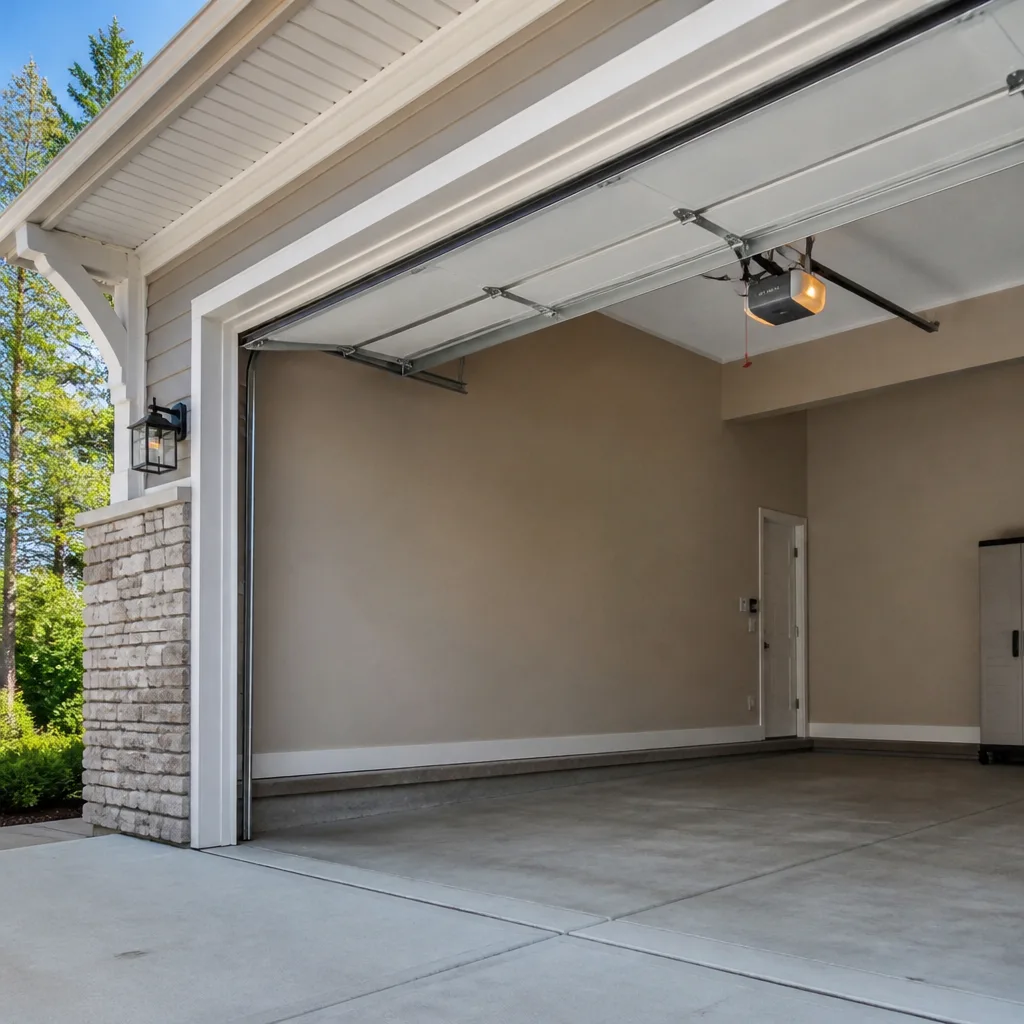 Chamberlain openers
Full 25-point door and opener safety check with every visit - springs, cables, rollers, tracks, and your LiftMaster or Chamberlain opener included
You get a price before we start. It does not change when the pro arrives.
Get your free estimateChoosing the Right Garage Door Brand: A Buyer’s Guide for Arlington Heights
Most homeowners in Arlington Heights shop for a garage door brand the way they shop for a car: they read a brochure, they see a warranty number, and they assume a decade of coverage means a decade of trouble-free service. Here’s the problem with that reasoning. A warranty is only a promise about what a manufacturer will do. Whether that promise ever gets honored depends on something far less glamorous – the local parts supply chain. A premium brand with a ten-year warranty and thin distribution across Illinois can leave you waiting weeks for a replacement section, while a less-hyped brand with a warehouse in the Chicago metro gets you back in your driveway. This guide walks through how to judge brands on the things that actually matter in our climate, how to tell a door warranty from an installation warranty, and which manufacturers hold up best on Arlington Heights homes.
Quick Answer
The best garage door brand for Arlington Heights isn’t the one with the longest warranty or the loudest marketing – it’s the one with reliable local parts distribution, insulation and seals built for a freeze-thaw climate, and a technician network that can actually service it. Clopay, Amarr, and Wayne Dalton all have deep distribution in northern Illinois and are common on Chicago-area homes. CHI is worth considering if your priority is a straightforward sectional door with strong regional support. Judge any brand by parts availability and serviceability first, reputation second.
Styles & brands we work with
- Raised-panel steel
- Carriage house
- Modern flush
- Full-view glass
- LiftMaster openers
- Chamberlain openers
Table of Contents
- Why brand reputation isn’t the whole story in northern Illinois
- How doors perform in the Illinois freeze-thaw cycle
- Parts availability: which brands have Chicago metro distribution
- Door warranty vs. installer warranty: which one actually covers failures
- Brand-by-brand strengths for Arlington Heights homes
- Opener and door compatibility: pairings that cause support headaches
- A step-by-step way to evaluate any brand before you buy
- When to call a professional
Why Brand Reputation Isn’t the Whole Story in Northern Illinois
A garage door brand is a design and manufacturing company. It doesn’t install doors, and it doesn’t fix them. The brand builds panels, springs, and hardware to a specification, ships them across a distribution network, and then relies on local dealers and technicians to represent it. That gap between the factory and your driveway is where most homeowner frustration happens.
In our experience working on doors across Arlington Heights, the brands that cause the fewest headaches aren’t always the ones with the biggest advertising budgets. They’re the ones whose dealer and parts networks reach the Chicago metro reliably, whose component designs haven’t changed so dramatically that older doors become impossible to service, and whose technical support lines actually pick up for the technician standing in your garage.
Three things determine how a brand performs in a specific place:
- Local distribution depth. Can a replacement panel, torsion spring, or hinge reach Arlington Heights in days rather than weeks?
- Climate engineering. Does the door’s thermal design and weatherseal hold up to the freeze-thaw swings we see every winter and spring?
- Serviceability over time. Can a technician still get the parts for a door installed a decade ago, or has the manufacturer discontinued the component design?
When you’re choosing between two brands at similar price points, those three questions tell you more than a warranty document ever will. Arlington Heights homeowners who ask them up front tend to avoid the situation where a warranty exists on paper but the part doesn’t exist anywhere in the state.
How Garage Doors Perform in the Illinois Freeze-Thaw Cycle
Arlington Heights sits in a climate that swings hard between seasons and hard within a single week. A winter morning can start below freezing, soften to melt the snow on the driveway by afternoon, and freeze again by night. Multiply that cycle across four months, and you get a set of stresses that a door designed for a mild climate simply wasn’t built to handle.
Here’s what the freeze-thaw pattern does to garage doors, and why brand engineering matters:
Insulation continuity
Insulation is only as effective as its edges. A door with a thermally broken frame and continuous insulation keeps the cold out and, importantly, keeps moisture from condensing between the panels. Where the insulation is spotty at the joints, condensation forms, and condensation in sub-freezing weather is where rust and warping begin.
Steel gauge behavior
Thinner steel flexes more under the temperature swings. A door with lighter-gauge panels and a single-layer build will bow and ripple at the seams over a few winters, and once the seams open slightly, the weatherseal has to make up the difference. Heavier-gauge, multi-layer sections hold their geometry through the same cycles. When you compare two brands on paper, look at the section construction, not just the printed gauge number.
Weatherseal durability
The rubber or vinyl seal along the bottom and sides is the first thing to fail, and it’s the piece that determines whether cold air and snowmelt stay out. A seal built for a cold climate stays pliable well below freezing. A cheaper seal stiffens, cracks, and eventually lets water track in along the bottom panel, which is where rust starts on the door’s lowest edge.
Because we do a lot of garage door repair around freeze-thaw damage, we can tell you the pattern repeats: the seal fails first, then the bottom panel. A brand that engineers for cold climates saves you that repair.
Parts Availability: Which Brands Have Chicago Metro Distribution
This is the single most overlooked factor in brand selection, and it’s the one that decides how a broken door actually gets resolved. A warranty covers a replacement part only in the sense that the manufacturer will supply one. Getting that part to your garage in Arlington Heights is a supply-chain question, and supply chains vary enormously between brands.
Brands with established Chicago metro distribution can typically get common parts – panels, hinges, rollers, torsion springs sized to spec – into the field quickly. Brands with thinner regional coverage often ship from a factory or a distant distribution center, and factory shipping moves on a slower clock. That’s the difference between a repair you schedule and a repair you wait on.
What “good local distribution” looks like
- A dealer or distributor network that reaches the northwest suburbs, not just downtown Chicago.
- Common replacement parts for the most-installed models in stock or a short shipment away.
- A manufacturer technical support line that assists technicians directly, so a fitment question gets answered on the job rather than by email.
What to ask about any brand you’re considering
- Where is the nearest distributor for this brand’s panels and hardware?
- Are the springs and hinges standard sizes or proprietary to the model?
- If a section is damaged, does a replacement ship from a regional warehouse or the factory?
- Is the specific model you’re buying still in current production, or is it being discontinued?
Clopay, Amarr, and Wayne Dalton all maintain distribution that reaches the Chicago metro reliably, which is part of why they’re common on Arlington Heights homes. That distribution is a real reason to choose one over a nationally advertised brand with limited Illinois reach. When parts for a widely distributed brand are needed, they get there. When a thin-network brand needs a custom panel, the timeline can stretch.
Door Warranty vs. Installer Warranty: Which One Actually Covers Failures
Two warranties apply to every garage door purchase, and homeowners routinely conflate them. They cover different things, and the failure you’re most likely to experience is usually the one the manufacturer’s warranty doesn’t cover.
- Manufacturer’s warranty. This is the brand’s promise that the door sections themselves are free of material defects and will hold up. It covers the panels, the hinges in some cases, and sometimes the finish. It does not cover installation errors, labor, or the typical wear parts that fail first.
- Installer workmanship warranty. This is the promise from the company that hung the door: that the installation is square, the springs are matched to the door weight, the opener is set up correctly, and the door will balance and travel properly. It covers the work, not the product.
Here’s the practical distinction. The most common failures on a garage door aren’t manufacturing defects – they’re a spring that wears out from cycle count, a door that’s been knocked off track, an opener gear that fails after years of use, or a weatherseal that’s aged out. Those are all in the installer and service world, not the manufacturer warranty world. A ten-year door warranty won’t help you when a torsion spring breaks.
This is why the quality of the installation and the availability of a technician who can service the door matter more than the printed warranty length. A door hung correctly by a technician who matched the springs to the door’s weight will run for years with far fewer service calls than the same door hung in a rush. And when a repair is needed, the garage door spring repair or panel replacement availability determines how quickly it gets done.
What to check before you accept any warranty
- Is the manufacturer’s warranty tied to professional installation, and who counts as professional?
- Does the installer workmanship warranty cover balance, spring matching, and opener setup?
- Are the parts that fail most often – springs, rollers, seals – covered by anything at all?
- Who do you call when something fails: the brand, the installer, or a local service?
Brand-by-Brand Strengths for Arlington Heights Homes
The four brands most commonly installed on homes here are Clopay, Amarr, Wayne Dalton, and CHI. Each has real trade-offs. None is universally the right answer, and that’s the point – the right brand for your door depends on what you value and how your home is built.
Clopay
Clopay makes a broad line of residential doors with strong distribution across the Chicago metro, and that distribution is the practical argument for it. Replacement sections and hardware are accessible, and the range of styles and insulation levels means you can match a door to your home’s look and the climate demands of northern Illinois. The trade-off is that the lineup is large enough that insulation ratings and section construction vary widely across price tiers, so you need to read the spec sheet on the specific model rather than assuming the Clopay name guarantees a certain build.
Amarr
Amarr builds insulated steel doors that hold up well to cold-climate use, with section construction that stands up to the temperature swings in Arlington Heights. Distribution in the Chicago metro supports service and parts, and the closer is that Amarr’s strength is in steel doors, so if you’re set on a wood or wood-look premium door, you’ll be looking elsewhere.
Wayne Dalton
Wayne Dalton is common on homes in the northwest suburbs and its doors are generally straightforward to service, which is a real advantage. The company’s particular models have varied over time, so on an older Wayne Dalton door the first question is which model is installed, since replacement parts access depends on it. Distribution supports service in the metro area, making the brand a practical pick when serviceability is the priority.
CHI
CHI is worth considering if you want a solid sectional door with regional support and straightforward construction. It won’t carry the polyurethane insulation ratings of the premium Clopay or Amarr lines, so if thermal performance is your top concern, compare the actual spec sheets side by side. For a homeowner whose priority is a reliable, serviceable door with distribution that reaches Arlington Heights, CHI is a reasonable choice.
When we repair openers and service doors across these brands, the pattern that holds is this: distribution and serviceability beat marketing every time. A brand with engaged local support is a brand you can actually live with.
Opener and Door Compatibility: Pairings That Cause Support Headaches
The door is only half the system. The opener controls the safety sensors, the light, the travel limits, and – on newer models – the smart features. When the opener brand and the door’s control setup don’t line up, you inherit a small set of persistent problems. The mismatch isn’t usually a factory defect; it’s a configuration gap.
We see this most often where an opener has been added or upgraded without checking what the door and safety system require. The common support headaches:
- Older openers on newer doors. A legacy model still running with the original remote and wall control may not support the travel settings a heavier insulated door needs, so the door closes harder than it should and the opener labor under a load it wasn’t set for.
- Smart openers on doors with borderline balance. A Wi-Fi-enabled LiftMaster or Chamberlain opener with remote monitoring will flag an unsafe condition the moment the door’s balance drifts, even though the opener itself is fine. The fix is the door, not the opener.
- Legacy vs. modern in the same household. Craftsman and Genie openers span decades of models, and the parts and remotes for older versions don’t always cross over. Knowing which generation you have is the first step in any opener repair.
The brands that avoid this trouble aren’t necessarily the fanciest. They’re the ones whose openers and doors a technician can bring into alignment with a configuration change rather than a replacement. LiftMaster and Chamberlain both dominate the residential market and are well-supported, while Genie and Craftsman cover both newer smart-home installs and older legacy units. The important thing is matching the opener’s capability to what the door needs, and a technician who’s familiar with all four gets there faster than one who isn’t.
When garage door repair involves an opener problem, the diagnosis usually comes down to which of these pairings is at play. Bring us the symptoms and the brand and we know where to start.
A Step-by-Step Way to Evaluate Any Brand Before You Buy
You don’t need to be a garage door technician to judge a brand well. You need a short, repeatable set of questions that measure the things that determine how the door will live on your house. Use these five steps on any brand you’re considering.
- Confirm the spec sheet, not the name. On the specific model, look at the section construction (single-layer steel, steel-backed, or full polyurethane-insulated), the steel gauge, and the weatherseal material. A premium brand’s entry model and its top model are different doors. The spec is the door.
- Ask where the parts come from. The nearest distributor, the replacement-timeline for a common panel, and whether the springs and hinges are standard sizes. If the answer is “factory shipping,” factor the wait into your decision.
- Read the warranty structure. Separate the manufacturer’s product warranty from the installer’s workmanship warranty, and confirm what each covers. Springs, rollers, and seals usually aren’t on either list.
- Match the insulation to the climate. For an Arlington Heights home, an insulated door with a continuous thermal break and a cold-rated seal will pay you back in comfort and fewer seal replacements. Confirm the insulation is continuous through the section joints, not just in the middle of the panel.
- Check the opener pairing before installation. If you’re keeping your existing opener or adding a smart model, confirm it will be configured for the door’s weight and safety sensors. A five-minute check at purchase prevents a service call later.
What this gets you
Following those steps gets you a decision you can defend a decade from now. The door you choose should be serviceable, insulated for the cold, and backed by a parts network that reaches Arlington Heights. The door warranty is a piece of the picture; it isn’t the whole picture.
If you’re starting fresh with a full garage door repair and considering a replacement, the same five steps apply. If the door is beyond repair, a full install follows the same brand evaluation. Our team at Arlington Heights Garage Door Repair Pros works with eight brands – LiftMaster, Chamberlain, Genie, Clopay, Amarr, Wayne Dalton, Craftsman, and Raynor – and is factory-familiar with each, so the evaluation happens against real field experience rather than a brochure.
See the difference
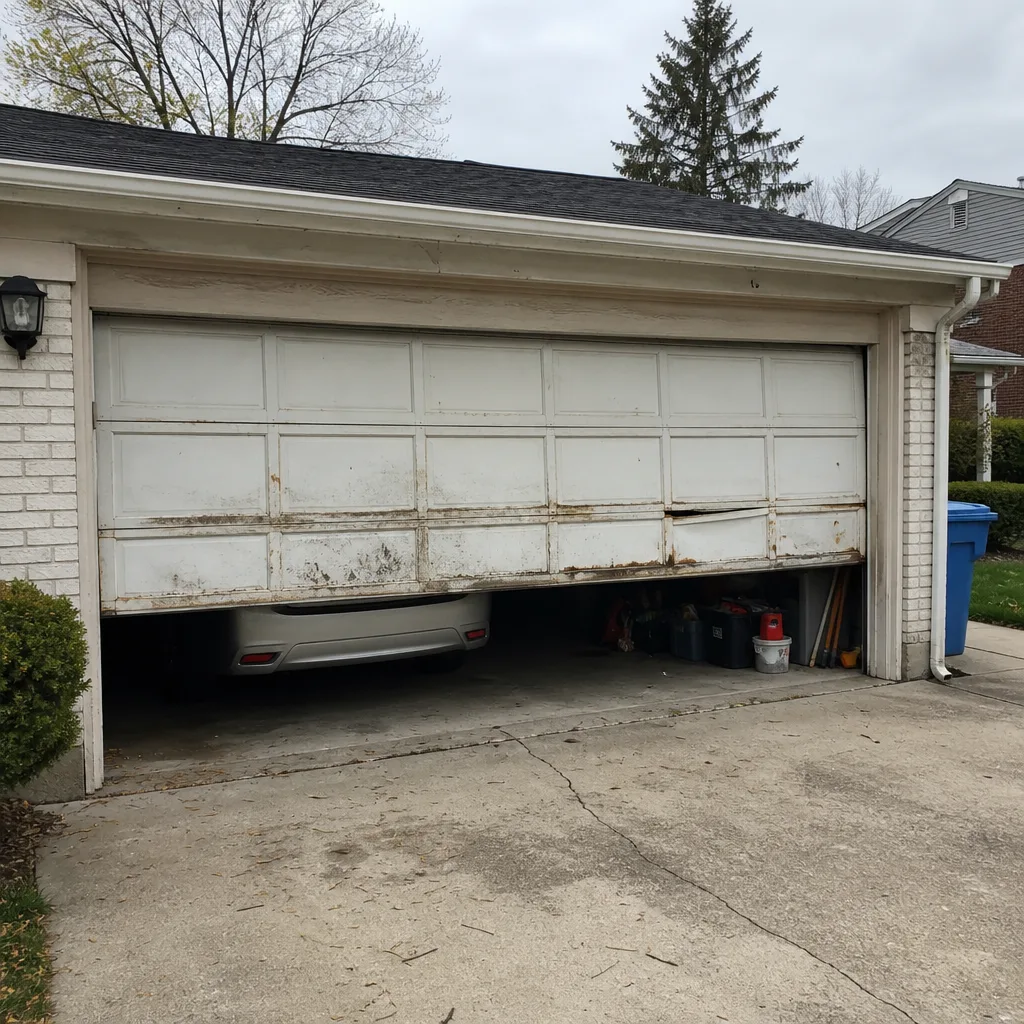 Before
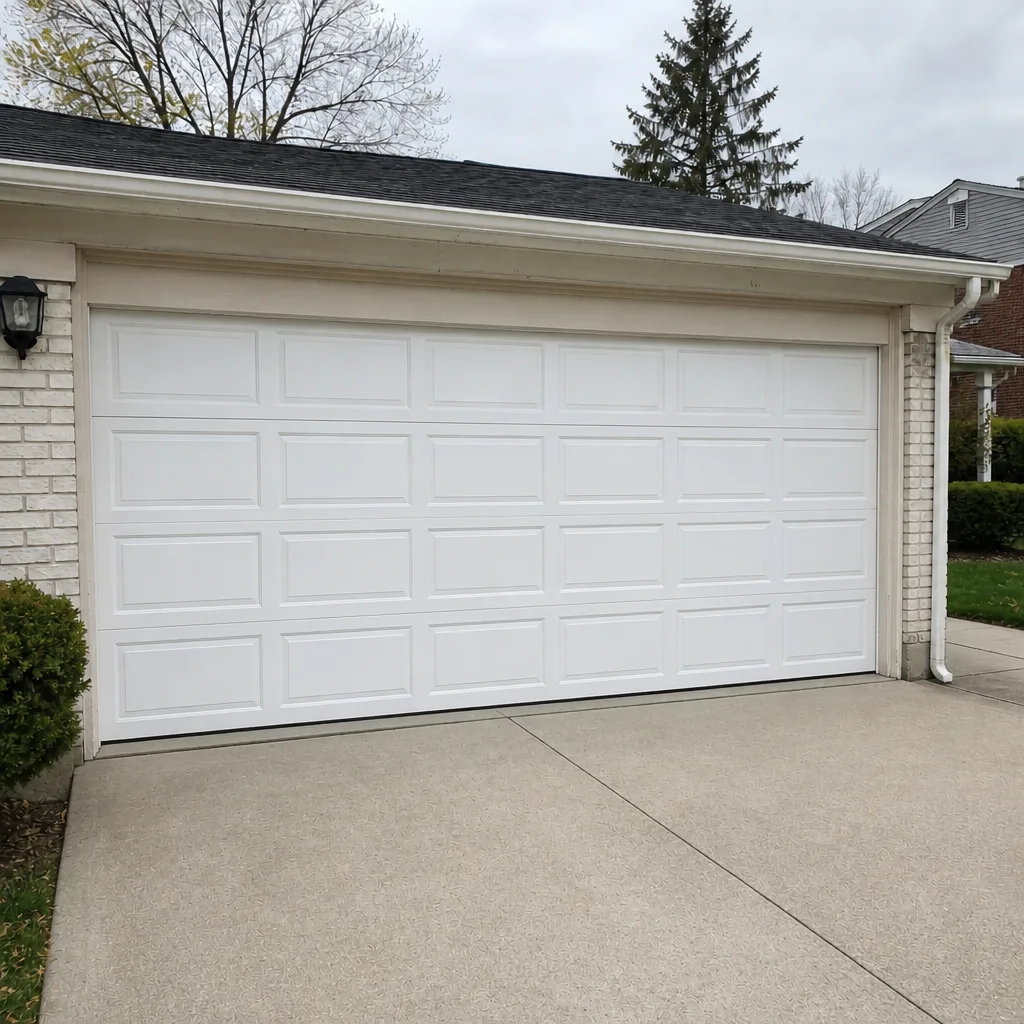 After
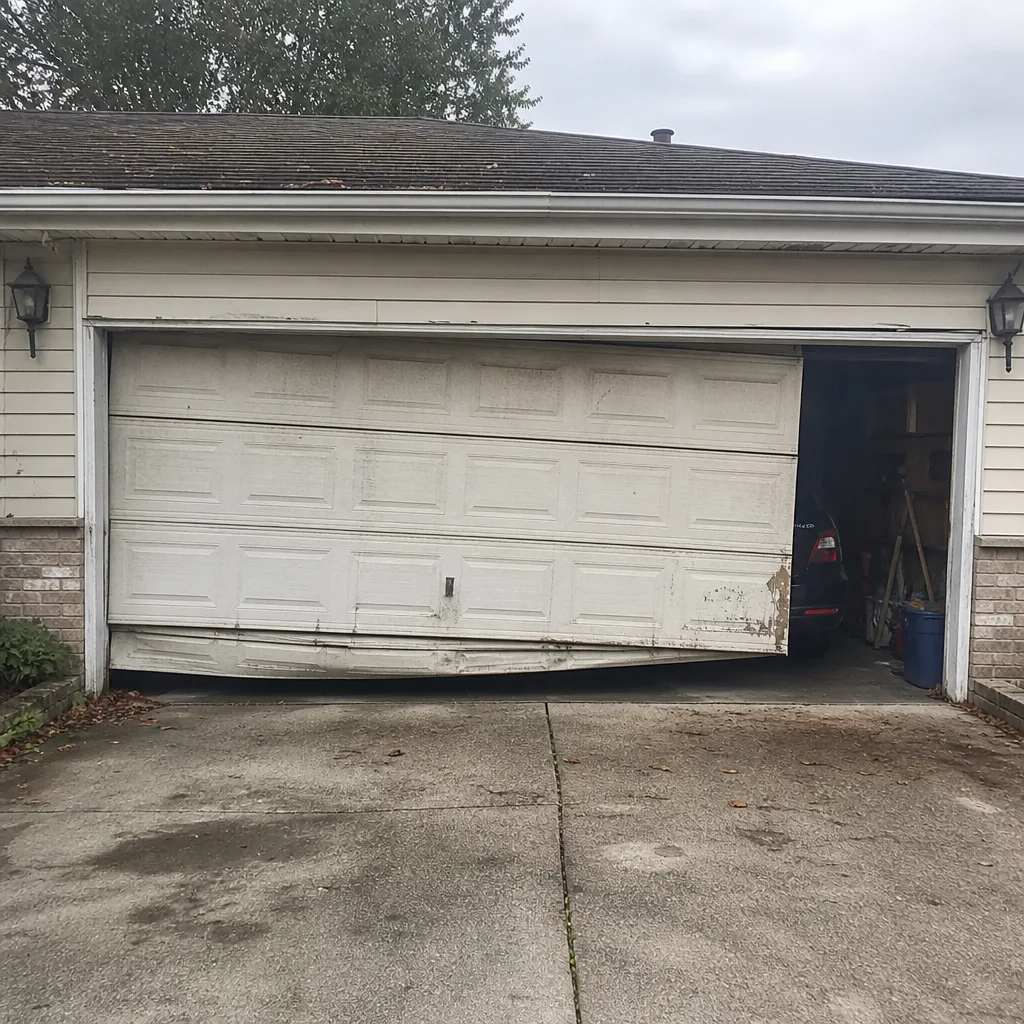 Before
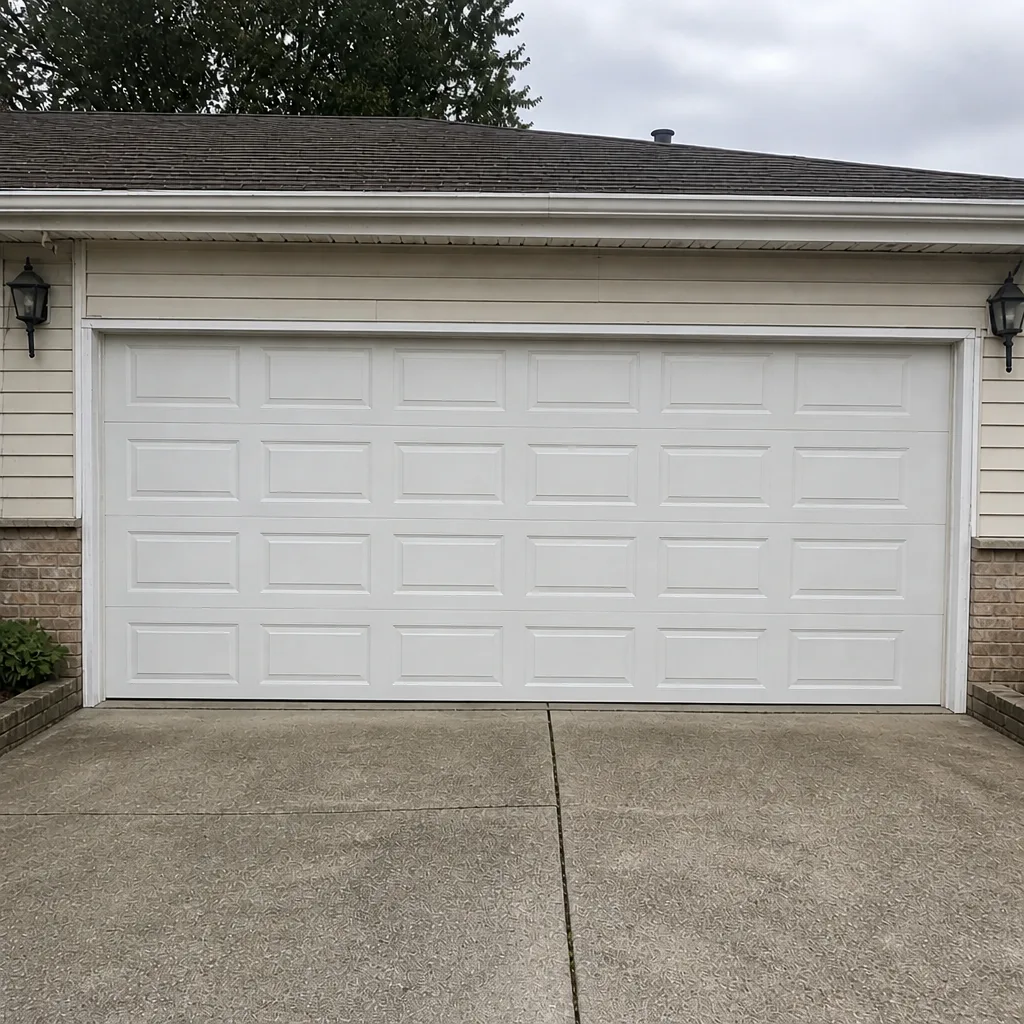 After
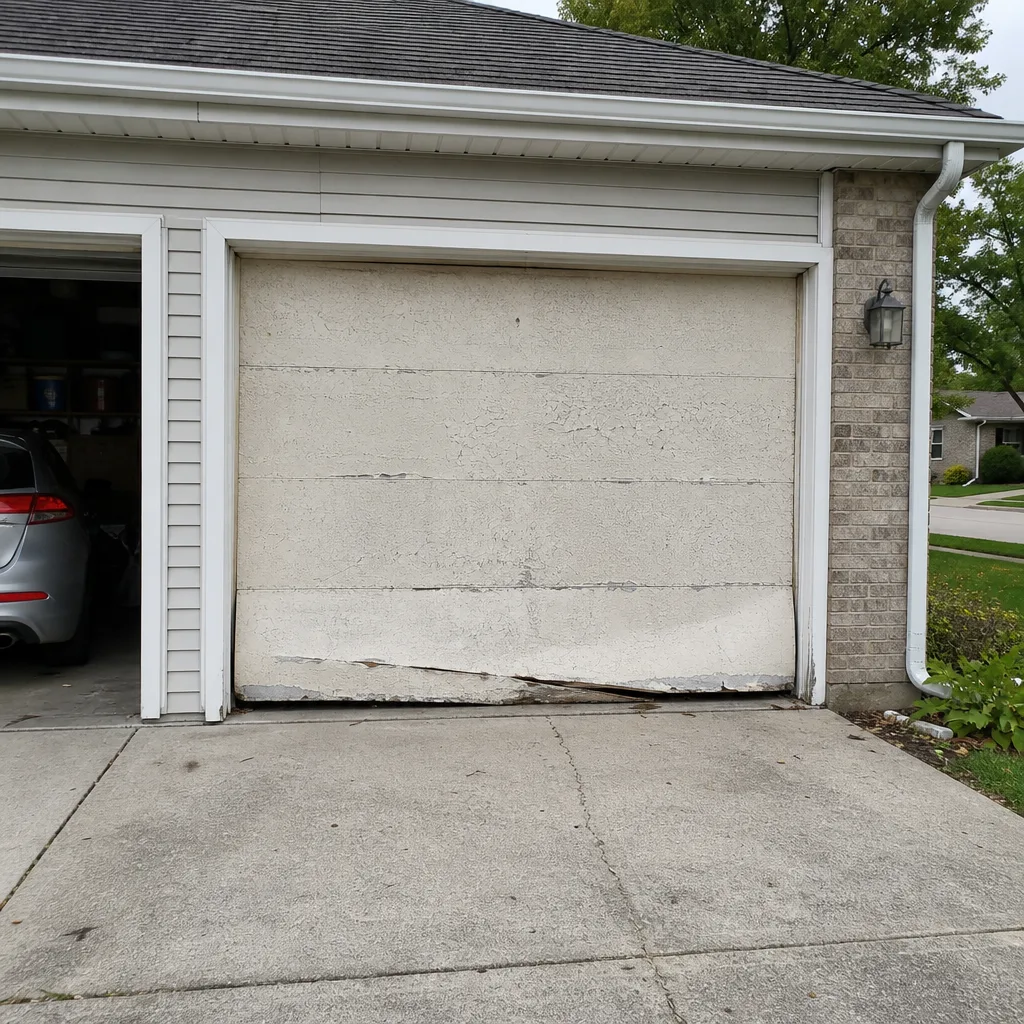 Before
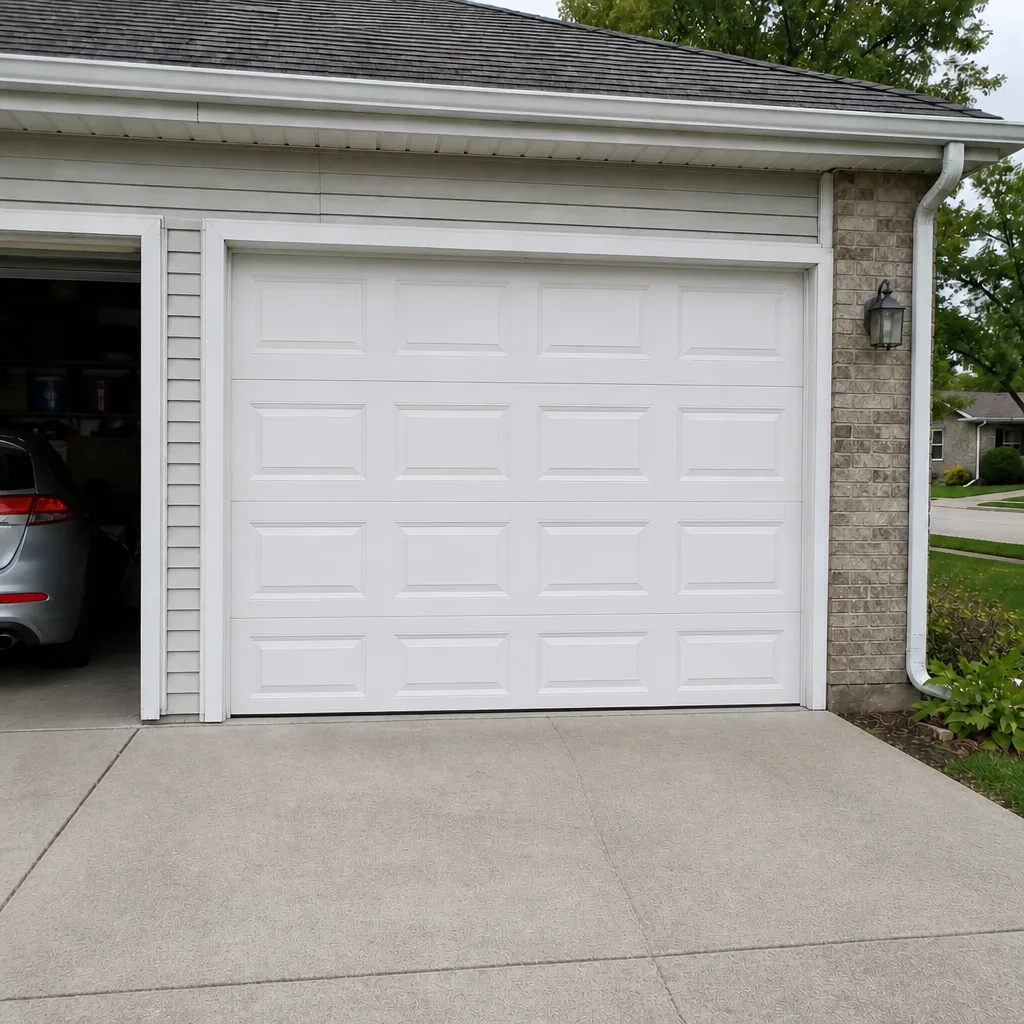 After
Common Mistakes to Avoid
- Choosing a brand by warranty length alone. A long door warranty covers manufacturing defects, not the failures that actually happen on an Arlington Heights door. Judge the door’s construction and its local parts availability, then read the warranty as one input among several.
- Assuming “premium brand” means “serviceable in Illinois.” A nationally advertised brand with thin Chicago-area distribution can leave you waiting for a replacement section after a freeze-thaw crack. Ask where the parts ship from before you commit.
- Buying an insulated door without checking the seal. In our climate the bottom seal is the first part to fail. A door with strong insulation and a cheap seal will leak at the floor within a few winters. Confirm the weatherseal is rated for cold.
- Keeping an old opener on a heavier new door. A legacy opener may not support the travel and force settings a heavier insulated door requires. Confirm the opener is configured for the new door’s weight at installation.
- Confusing installer warranty with manufacturer warranty. When a spring fails or the door drops off-track, the manufacturer warranty usually has nothing for you. The installer’s workmanship warranty and a local service are what get the door fixed.
- Choosing a model that’s about to be discontinued. If replacement sections stop being produced, every future repair gets harder. Ask whether the model is in current production before you buy.
- Skipping the balance check on a smart opener. A Wi-Fi smart opener will sound an alert the moment a door falls out of balance. That’s the door telling you something is worn, not the opener misbehaving. Check the door, not the app.
When to Call a Professional
Some brand decisions are just purchases. Others turn into repairs, and the safety-critical ones need a trained technician. Call a professional when a torsion spring has broken (the springs are under extreme tension and belong to a trained technician, never to a homeowner), when the door is hanging off both tracks, when a panel has cracked at the hinge line, or when the opener runs but the door won’t move. Those are the failures where the wrong move causes injury or turns a small repair into a full replacement. If you’re weighing a brand for a full install, a professional measure and a written estimate tell you what your home and climate actually need.
Arlington Heights Garage Door Repair Pros offers free estimates in Arlington Heights – call (877) 460-4338. Our technicians have up to 9 years of experience and handle spring, opener, panel, and full-replacement work under the same roof, so there are no handoffs and no referrals.
Frequently Asked Questions
For most Arlington Heights homes, Clopay, Amarr, and Wayne Dalton are the most practical choices because they combine cold-climate engineering with Chicago metro distribution that reaches the northwest suburbs. CHI is a solid alternative if straightforward construction and regional support are your priorities. The right brand depends on your door type, insulation needs, and how much you value parts availability; a free measure will answer that for your specific house.
Because a warranty is only a promise about what a manufacturer will supply, and the part still has to reach your garage. A nationally advertised brand with limited Illinois distribution can take much longer to supply a replacement section than a less-hyped brand with a regional warehouse. When your door is broken, the wait is what you feel. Call (877) 460-4338 for a free estimate and we’ll tell you what’s realistic for your brand.
Usually not. Torsion springs are wear parts, and a manufacturer’s warranty typically covers material defects in the door sections, not parts that fail from cycle count. The thicker protection for a spring failure is a local service professional and a clear installer workmanship warranty. When a spring breaks, the door belongs out of use until a trained technician replaces it.
Sometimes, but it depends on the opener’s age and its ability to be configured for the new door’s weight and travel limits. A heavy insulated door may exceed what a legacy opener can safely drive. The technician checks the opener and door against each other before installation. Our team works on both legacy and smart openers, so the pairing gets checked before the door goes up.
A good installation warranty clearly covers balance, spring matching, opener setup, and the quality of the hang, and it comes from a company you can actually reach when something fails. A weak one covers “the product” and quietly excludes the work. Read the installer’s warranty separately from the door brand’s warranty, and ask who you call when the door misbehaves. Call (877) 460-4338 for a free estimate and a written price.
No. The written estimate sets the price, and any change is agreed with you before work starts. That’s how a repair should go, whether it’s a spring, an opener, or a full installation. Call (877) 460-4338 for an exact estimate on your Arlington Heights door – estimates are free, and the price is quoted and agreed before any work begins.
The Bottom Line
Choosing a garage door brand in Arlington Heights comes down to three things: whether the door is built for a freeze-thaw climate, whether its parts can reach the Chicago metro quickly, and whether the warranty that covers the likely failures is the installer’s rather than the manufacturer’s. Clopay, Amarr, Wayne Dalton, and CHI each have real strengths on those measures, and the right pick depends on your door type and insulation needs. Brand reputation is a starting point, not the decision. Parts availability and serviceability carry more weight on this climate than a printed warranty ever will.
Written by the team at Arlington Heights Garage Door Repair Pros.